










The smell of wet stone and sun-warmed tuff welcomes you from the entrance of this village suspended above the valleys of the Maremma.
If you're looking to visit Sovana without the crowds, this medieval gem reveals its secrets between its Romanesque cathedral and its Etruscan ways carved into the rock. Discover how to explore this papal birthplace and its monumental necropolis for a total immersion in the authentic Tuscany.
Visiting Sovana: why this tuff village is unique

Sovana
Sovana, a small medieval tuff town, is home to an Etruscan necropolis as well as the vie cave of Cavone and San Sebastiano, linked to the Città del Tufo park

Tosco Many go straight to Pitigliano, but Sovana hides the most spectacular and calm *Vie Cave* in the whole region: walking at the bottom of these millennial tuff faults is a real mystical slap!
Sovana, jewel of the Maremma, concentrates a major Etruscan necropolis This tuff village, birthplace of Pope Gregory VII, is ideally visited in a single day.
The power of this city is explained by the rise of the lineage which made it its main stronghold.
The political legacy of the Aldobrandeschi family
The Aldobrandeschi family shaped the urban planning from the 9th century onwards. Their hold on southern Tuscany transformed this spur into a formidable stronghold.
Sovana served as the administrative and military capital in the Middle Ages. The village occupied a strategic position to watch over the valleys and communication routes.
Their power allowed them to defy Siena and Orvieto. The Aldobrandeschi family then reigned over a veritable State in the heart of the Maremma.
This tuff ridge jealously protected their political autonomy.
The birthplace of Gregory VII and the reform of the Church
The pope was born here under the name of Hildebrand around 1020. His modest origins in this tuff village did not prevent his rise. Gregory VII remains Sovana's most famous child.
He upended European history with the Gregorian reform. His struggle between the priesthood and the Empire established the Church's independence from the laity.
Born Ildebrando de Soana, initiator of the Gregorian reform and of the Investiture Controversy.
His prestige transformed Sovana into a major spiritual center. This aura dictated the ambition of the monumental worksites you still admire today.
3 monuments to understand the soul of the village
After exploring its political past, let us turn to the stones that make the historic center come alive.
The Praetorian Palace and the treasure of San Mamiliano
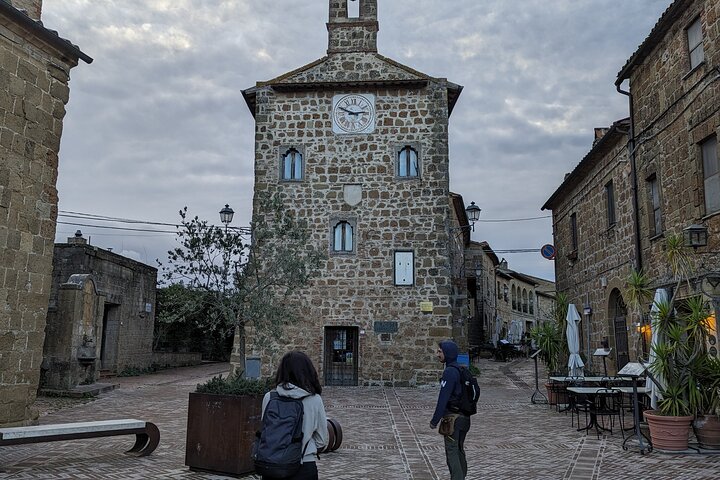
The Piazza del Pretorio asserts its medieval silence presence from the moment you arrive. There you will see the Praetorian Palace, whose austere façade tells of the past power of the local magistrates.
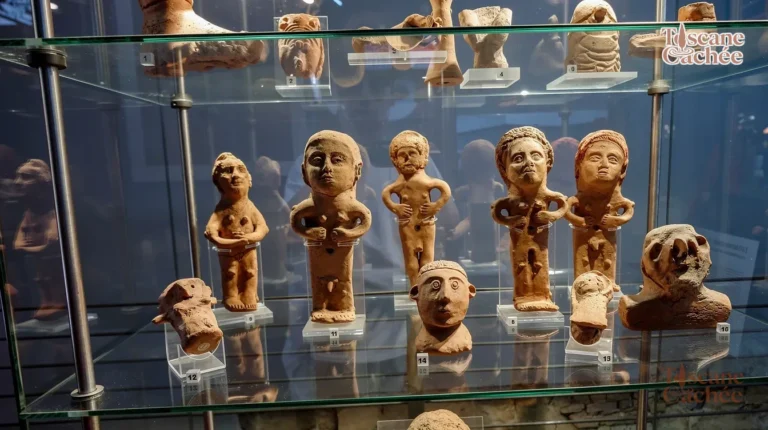
San Mamiliano Museum
The San Mamiliano museum, in the church where 498 gold coins from the 5th century were found in 2004, also displays objects discovered at the entrance of the Cavone

Tosco 498 Byzantine gold coins unearthed beneath the church, proof that the old legends of Maremma are sometimes true! Grab the combined ticket at €10 right away to follow up with the spectacular Etruscan tombs carved into the tuff.
The treasure of San Mamiliano consists of 498 late-antique gold coins. This unique hoard testifies to the archaeological wealth hidden beneath Sovana's tuff.
Some research on magical statuettes confirm the importance of ancient rites here. These discoveries enrich our understanding of local spiritual practices.
The Museum of San Mamiliano is therefore the essential stop. It allows grasp the full scope of the archaeology Maremmana actuelle.
The Cathedral and its unique stylistic transition
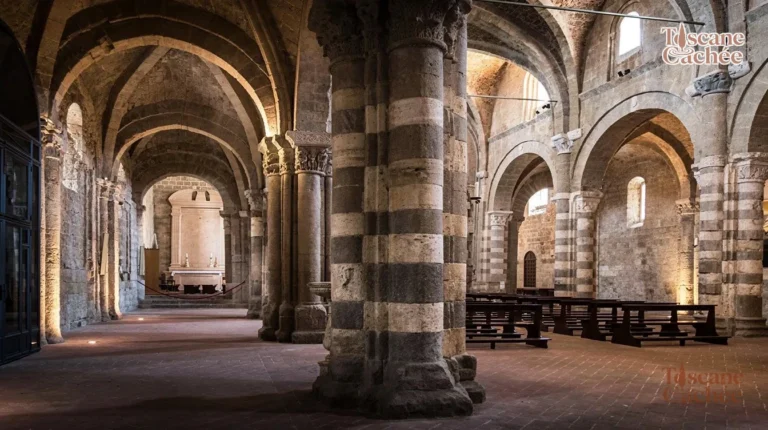
Co-Cathedral of Saints Peter and Paul in Sovana
The co-cathedral of Saints Peter and Paul, Gothic-Romanesque in style, stands on the tufa block overlooking the valley of Sovana's necropolis, a medieval borgo of just a few houses
Tosco Take a close look at the Romanesque capitals before heading down into the tufa crypt: it's a true medieval comic strip carved in stone!
At the end of an isolated lane, the Cathedral of Sovana surprises with its carved portal. Here you will observe the delicate passage between Romanesque rigor and emerging Gothic elegance.
Inside, the historiated capitals detail biblical scenes with a raw precision. The crypt of San Mamiliano, carved in the 9th century, keeps an eternal freshness.
| Element | Style | Special feature |
|---|---|---|
| Portal | Romanesque/Gothic | Stylistic transition |
| Capitals | Biblical scenes | Carved motifs |
| Crypt | 9th century | Relics of San Mamiliano |
| Dome | Octagonal | Rare structure |
The’mystical atmosphere that bathes the nave remains striking. The silence there is almost palpable, far from the tumult of cities.
The ruins of the medieval fortress
At the entrance to the village, the Aldobrandeschi Fortress raises its massive tufa walls. This 11th-century keep recalls that Sovana was the seat of a powerful county.
The village used the tuff as a natural rampart against invaders. This volcanic rock, easy to carve but sturdy, dictated the defensive strategy.
- Etruscan cyclopean walls
- Medieval ramparts
- The Orsini defense system
From the ruins, the view over the valley is breathtaking. One then understands why the Aldobrandeschi had chosen this strategic promontory.
Exploring the necropolis and the mysterious Vie Cave
Let us leave the village to delve into the rock, where the Etruscans left their eternal imprint.
Wear closed hiking shoes. The tuff paths are slippery and steep, especially after rain.
The monumental tombs of Ildebranda and the Winged Demons

Tombs of Ildebranda
In Sovana, the Tomb of Ildebranda is a temple-tomb carved into the tuff, integrated into the rock-cut necropolis and the Vie Cave of the Città del Tufo park

Tosco Don't just admire this fake Greek temple carved into the rock: head straight to the neighboring *Via Cava di San Sebastiano*, it's the perfect combo to feel all the magic of the tuff!
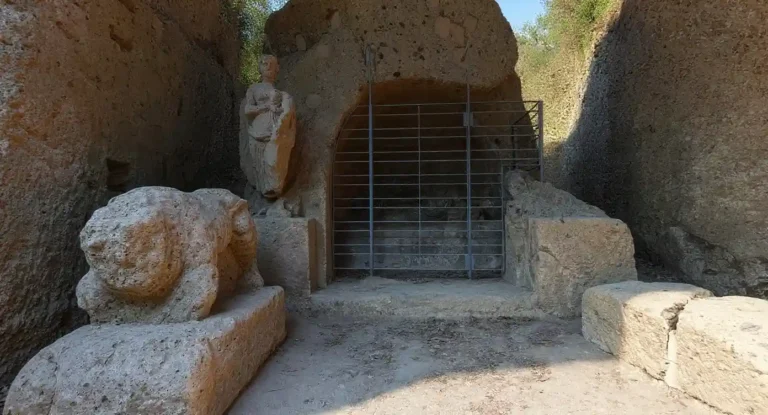
The Tomb of Ildebranda commands respect with its unique rock-cut architecture. Carved into the tuff in the 3rd century BC, it imitates a Greek temple. It is the most famous monument of Sovana.
The sculptures of the Winged Demons strike with their funerary symbolism. These figures, like the sea demon Scylla, watched over the passage of the dead. They protected the rest of the deceased against dark forces.
Archaeologists have deciphered fascinating Etruscan inscriptions on site. You can consult these details about the underworld deities to understand their rituals. These texts reveal an ancient spirituality.
The conservation of these monuments carved into the tuff remains a constant challenge. Erosion weakens the columns and the friezes adorned with griffins. Experts monitor the stability of the rock.
This major archaeological site is an exceptional testimony. It reveals the power of ancient Etruria.
Walking along the paths carved into the tuff
The’atmosphere of the Vie Cave is totally spellbinding. You walk between rock walls rising sometimes to twenty meters. The humidity and the silence create an atmosphere out of time.
These paths played a vital role for the Etruscan civilization. Were they sacred roads or strategic communication routes? The mystery remains complete.
If you want to extend the adventure, explore the Tuscan via cava. It's a memorable experience in the heart of the Maremma.
- Cavone
- Via Cava de San Sebastiano
- Via Cava d’Il Poggio
I advise you to wear good shoes. The ground is often uneven.
Our addresses · Sovana
Our favorite addresses around Sovana
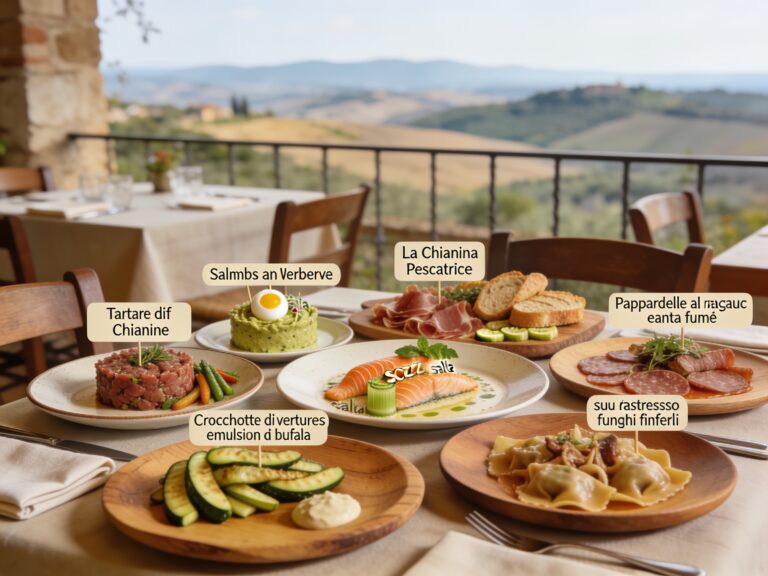
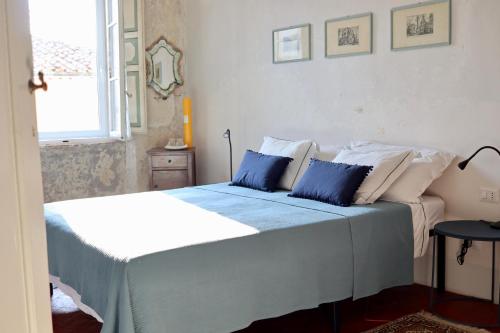
How to organize your visit to this corner of Maremma?
For your immersion to be complete, here are a few essential logistics keys.
Logistics, parking and best time to avoid the crowd
You will find parking areas located right at the entrance. The historic center is pedestrian and very narrow. Use the Sovana parking lot to leave your vehicle with peace of mind.
I recommend a morning visit, especially for the necropolis. This helps avoid the stifling heat. You will also escape the denser tourist groups in the afternoon.
Plan for an ideal duration so you don't have to rush. Allow three to four hours minimum on site. That's the time needed to see the village and the park.
Accessibility for families requires a bit of care. The trails are sometimes steep and rocky. Remember to bring shoes suitable for dirt paths.
The Sovana parking lot is located 100 meters from the archaeological park ticket office. The village center is entirely pedestrian. Allow 3 to 4 hours for a complete visit.
Hiking trails and tasting of local wine
Take the trail connecting Sovana to Pitigliano and Sorano. It's the golden triangle of tuff villages. This Maremma hike crosses unique volcanic rock landscapes.
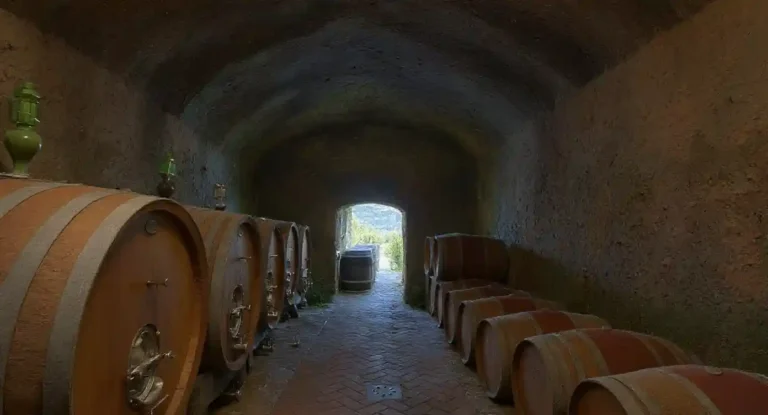
After the effort, the’pairing of Maremma cuisine and local red wine is a must. Sovana DOC is powerful and aromatic. It perfectly highlights the wild character of the Tuscan lands.
- Acquacotta
- Tortelli maremmani
- Red wine from Sovana

Acquacotta
In Sorano, acquacotta, a peasant soup from the Maremma, is the only concrete indication of this gastronomy address
Tosco Forget the overly chic versions: real *acquacotta* is savored in a small village *trattoria* near Pitigliano, with the egg yolk still perfectly runny on the old Tuscan bread!
Let yourself be carried away by the slow rhythm of the narrow streets. Take your time to wander around.
Between the shadow of the Vie Cave and the golden light of the cathedral, Sovana offers you a motionless journey through tuff. This village preserves an intact medieval soul, far from urban hustle and bustle. Will you prefer the quiet strength of the fortress or the sacred silence of the necropolis for your next getaway in Maremma?
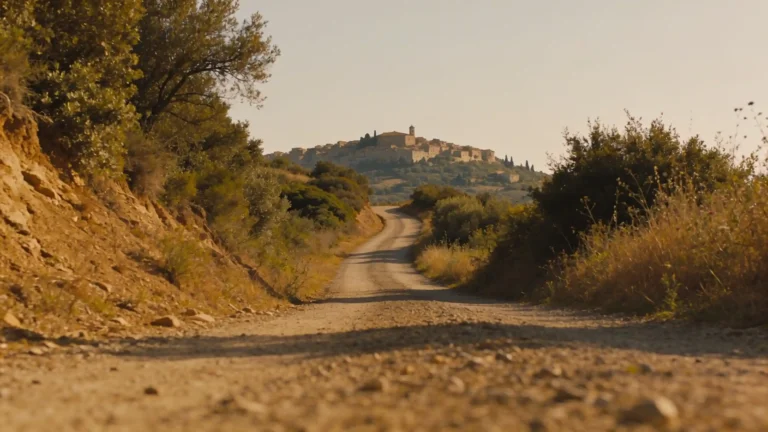
For a first immersion in Sovana, I recommend starting with the heart of the village, the Piazza del Pretorio. This is where the medieval pulse of the town beats, with iconic buildings such as the Pretorian Palace et la Church of Santa Maria Maggiore, which houses a rare pre-Roman ciborium. Don't miss the Museum of San Mamiliano, where the fascinating Treasure of Sovana is kept, made up of 498 antique gold coins, a major archaeological discovery that testifies to the rich history of the Maremma. Next, head to the Cathedral of Saints Peter and Paul, a remarkable example of the transition between Romanesque and Gothic styles, whose mystical atmosphere and carved capitals deserve special attention. At the end of your tour of the village, the ruins of the Aldobrandeschi Fortress, at the entrance to the hamlet, offer a breathtaking view of the valley and recall Sovana’s strategic power.
To make the most of your time, plan a morning visit, especially if you want to explore the necropolis and the Vie Cave at a leisurely pace. This will allow you to avoid the heat and the afternoon crowds. Allow at least three to four hours on site to enjoy the village and the archaeological park without rushing. The Sovana parking lot is ideally located about 100 meters from the archaeological park ticket office and the pedestrian center. Don’t forget to wear closed, comfortable walking shoes, as the tuff trails can be slippery and uneven, especially in the necropolis. If Etruscan history fascinates you, an in-depth visit to the necropolis of Sovana is a must, with its monumental tombs such as the Tomb of Ildebranda and the mysterious Vie Cave, these paths carved into the rock that offer an immersive, timeless experience.
To visit Sovana with peace of mind, parking is made easy by dedicated areas right at the entrance to the village. Sovana's historic center is entirely pedestrian, which preserves its medieval charm and invites leisurely strolling. You will therefore need to leave your vehicle outside the walls. The main place to park is the Sovana parking lot, ideally located just 100 meters from the archaeological park ticket office and a few steps from the heart of the village. This is the most convenient option for accessing the various attractions without worry. This parking lot is generally well signposted and will allow you to start exploring on foot immediately after parking.
There are no major traffic restrictions to be aware of other than the fact that the village itself is reserved for pedestrians. Once parked, everything is done on foot, whether it’s wandering through the paved alleys, visiting the Cathedral, the Piazza del Pretorio or heading to the Etruscan necropolis et la Vie Cave. This greatly contributes to Sovana’s peaceful and timeless atmosphere. Remember to bring some small change or a card for possible parking payment, even if in some small villages of the Maremma, parking may sometimes be free or operate with limited-time parking discs. In any case, the Sovana parking lot is the most recommended solution for your visit.
The Vie Cave of Sovana are unique and emblematic formations of the Maremma, true canyons carved into the tuff by the Etruscan civilization. Their particularity lies in their steep and vertiginous walls, sometimes reaching up to twenty meters in height, creating an atmosphere that is both mysterious and captivating. Walking through these paths offers a singular sensory experience: the ambient humidity, the almost absolute silence, and the light filtered by the dense vegetation overhanging the walls give the impression of traveling outside of time. These trails are not mere paths, but works of ancient engineering, whose rocky floor still sometimes preserves the traces of cart wheels and the countless passages of those who used them for centuries.
The exact historical function of the Vie Cave still remains a subject of debate among archaeologists. Several theories coexist: were they sacred routes used for processions and funerary rites, connecting the villages to the necropolises? Or strategic communication routes, allowing the Etruscan cities of the region (such as Pitigliano and Sorano) to be connected while offering concealed and protected passages? Some also suggest that they could have served as a water drainage system or as escape routes in case of attack. Whatever their original function, it is undeniable that these Vie Cave played a vital role for the Etruscan civilization, testifying to their ingenuity and their deep connection with the territory. For a complete immersion, don’t miss the San Giuseppe via cava, one of the longest and most fascinating in the region, where you can even discover an Etruscan necropolis with chamber tombs.
Absolutely, the region around Sovana is a true paradise for hiking enthusiasts, offering unique landscapes sculpted by the tuff and steeped in Etruscan history. The most emblematic and unmissable route is undoubtedly the exploration of the Vie Cave, these paths carved into the rock. Starting from Sovana, you can take the Poggio Cane via cava, the closest to the village, which offers a fascinating glimpse of these ancient structures. Continuing a little further, the San Giuseppe via cava is a longer and particularly captivating option, with impressive walls and traces of ancient civilizations. Don’t forget to wear closed, sturdy walking shoes, as the trails can be rough, especially after rain.
For a more complete and immersive hike, I strongly recommend following the trail that connects Sovana to the other tuff villages, namely Pitigliano and Sorano. This is what is called the « golden triangle » of tuff villages in the Maremma. This Maremma hike will take you through landscapes of wild beauty, where volcanic rock blends with lush vegetation. You will discover other Vie Cave, hidden necropolises, and panoramic viewpoints over the Tuscan countryside. The official website Visit Tuscany offers detailed information on these routes. After the effort, reward yourself with a tasting of Sovana DOC red wine, which perfectly reflects the terroir of this authentic region.
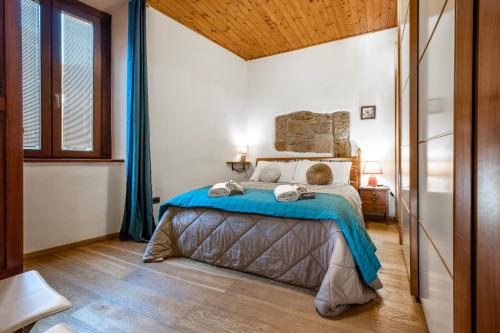
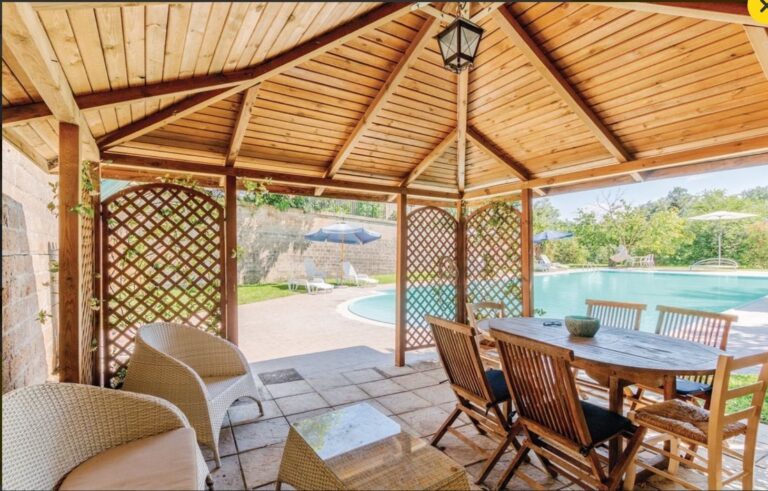
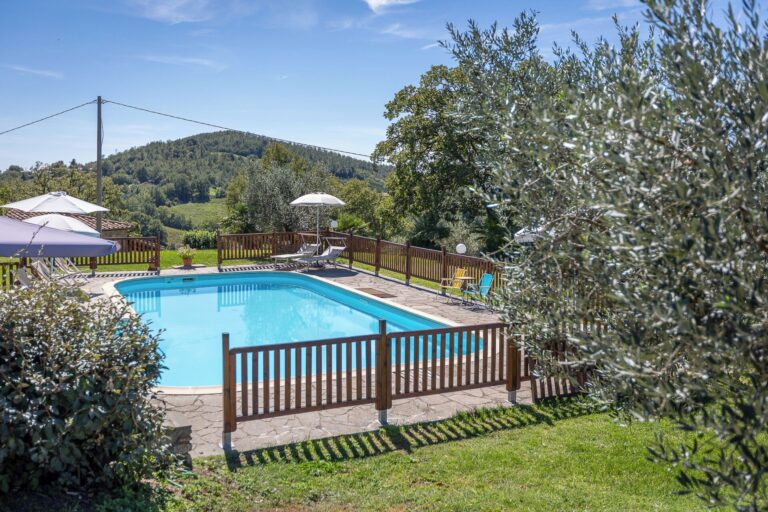
For a total and authentic immersion near Sovana et dans la magnifique Maremma region, several types of accommodations are available to you, combining charm, history and comfort. If you are looking for an experience in the heart of the village, you will find charming hotels and bed and breakfasts that blend perfectly into the medieval architecture. The Sovana Hotel & Resort is an excellent option, set in a renovated farmhouse, it offers relaxation and a panoramic swimming pool, while being close to the village. The Hotel Scilla is also a good address, with a central location and a touch of Tuscan elegance.
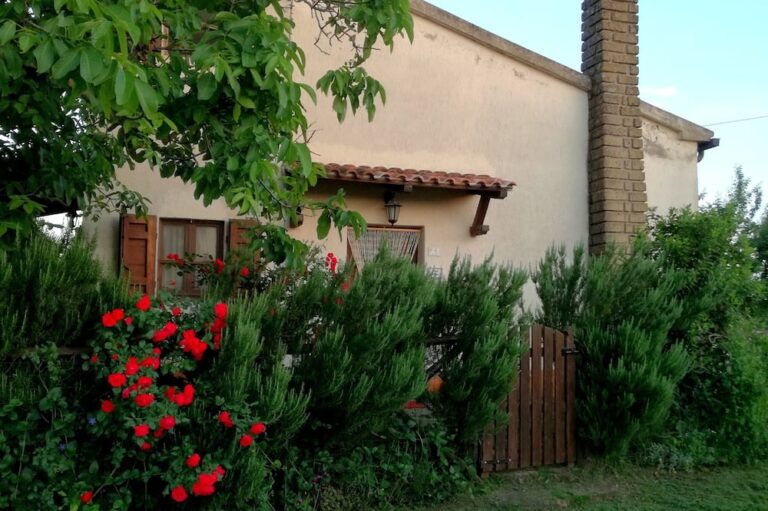
If you prefer a more rural experience in contact with nature, agriturismos are the ideal choice. Although some are not directly in Sovana, they are often a short drive away and offer an idyllic setting for exploring the region. The Agriturismo Biologico Sant'Egle, for example, is a popular option for those seeking eco-responsible luxury and local cuisine. These authentic accommodations are often tastefully restored farmhouses, offering local products, breathtaking views of the countryside, and warm hospitality. They are perfect for discovering Tuscan cuisine, local wines such as Bianco di Pitigliano DOC, and for setting off on an adventure in the wild hot springs or along the Etruscan Coast, which are never very far away by car. Don’t hesitate to consult platforms specializing in authentic accommodations in Tuscany to find the rare gem that will meet your expectations as a traveler.
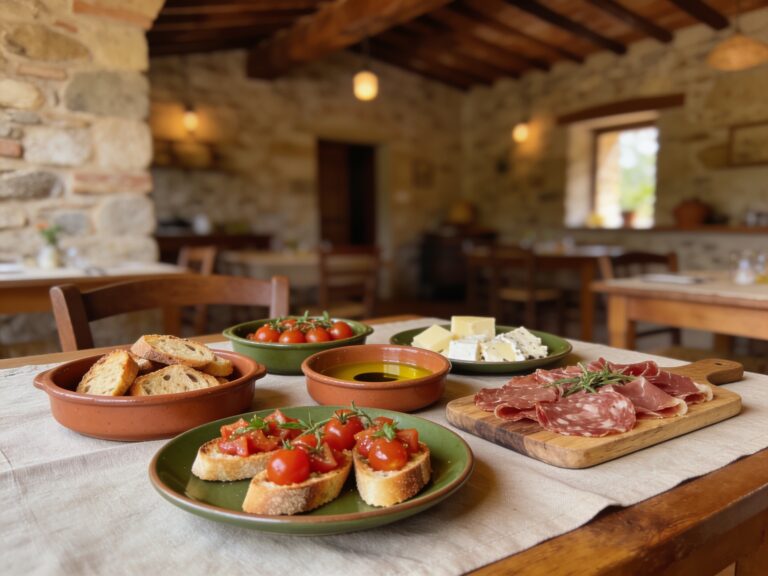
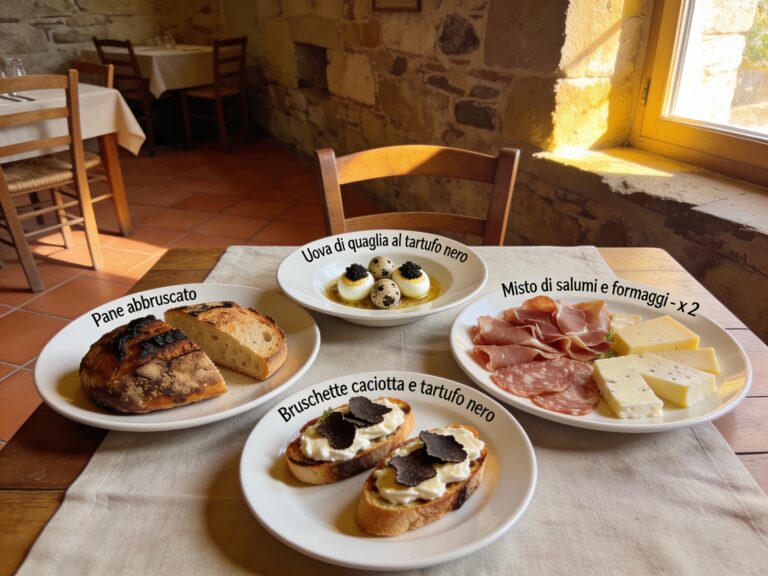
La gastronomie de Sovana et la Maremma is a true culinary journey, rooted in peasant traditions and the richness of the Tuscan terroir. You will discover frank and authentic flavors. Among the unmissable culinary specialties, don’t miss acquacotta, a typical peasant soup made with vegetables, eggs, and stale bread, comforting and full of flavor. The tortelli maremmani, large stuffed pasta with ricotta and spinach, often seasoned with a meat sauce or butter and sage, are a local delight. The region is also renowned for its Cinta Senese charcuterie, , a typical Tuscan pig breed, and for Pecorino, a flavorful sheep’s milk cheese. For meat lovers, dishes made with wild boar or local truffle are must-haves, reflecting the wild and generous nature of the Maremma.
As for wines, the Sovana region is particularly proud of its Sovana DOC, a powerful and aromatic red wine that pairs wonderfully with the robust dishes of Maremma cuisine. Its deep notes and assertive character perfectly highlight the wild nature of these lands. You can also taste the Bianco di Pitigliano DOC, a fresh and light white wine, ideal as an aperitif or to accompany fresh cheeses and soups. To savor these delights, several addresses are recommended. The Taverna Etrusca, on the Piazza del Pretorio, offers traditional cuisine in a characteristic setting. The Ristorante Pizzeria Il Borgo offers family-style cooking with fresh, local ingredients. Finally, for a high-quality experience, the Hostaria Il Tufo Allegro, although located in the neighboring village of Sorano, is renowned for its innovative dishes rooted in the territory. Don’t hesitate to let yourself be tempted by local market products and the small trattorias for a complete culinary immersion.
Around this article


Is the map not displaying? See accommodations on Stay22
Map and prices provided by Stay22: Toscane Cachée may receive a commission on bookings.
You will also like

Tuscan Etruria: the complete guide to Etruscan heritage in Maremma 2026
Explore the Etruscan heritage in Maremma: from Roselle to Sovana, discover the cities…

The 5 must-see Etruscan archaeological sites of Maremma
Explore the Etruscan archaeological sites in Maremma. From Roselle to Sovana, discover ramparts...

Top 5 spectacular Etruscan sunken roads in Maremma
Explore the 5 most beautiful Etruscan sunken roads in Maremma. Discover these paths of...

Tuff villages tour 2026: 3 days in Tuscan Maremma
Discover this tuff villages tour in Maremma. Explore Pitigliano, Sorano and Sovana in 3…
