

Have you ever felt that motionless vertigo in front of a city carved directly into volcanic rock ? À Sorano, le tuf orangé semble absorber l’histoire étrusque pour te la restituer avec une intensité brutale dès que le soleil décline sur la Maremma.
Discover how visiting sorano tuscany to capture this ephemeral glow and explore the secrets of its impregnable fortress.
Visiting Sorano in Tuscany: the shock of tuff at dusk

Sorano
Sorano, la Matera de Toscane, empile ses maisons creusées dans le tuf au-dessus de la vallée, entre Fortezza Orsini, vie cave étrusques et thermal baths à 37,5 °C

Tosco My insider tip: climb up to the San Rocco viewpoint just opposite, that's where Sorano reveals its most dizzying profile on its tuff spur! Just remember to wear good sneakers, the sunken ground of the *Vie Cave* always remains wet and slippery.
Sorano, an Etruscan city in Maremma, is explored via the Orsini Fortress and the Masso Leopoldino. The troglodyte village rises atop a spur of volcanic tuff whose orange glow intensifies at dusk.
A porous rock from volcanic ash, tuff is soft to carve but hardens in the open air. It is the architectural soul of the Maremma.
The orange glow of the volcanic rock at the end of the day
The sun sets over the Tuscan Maremma and the miracle happens. The volcanic rock, grey and austere by day, suddenly turns saffron. 1. . The shadows stretch across the cliffs of Sorano.
2. The sculpted facades seem to change nature. The windows appear carved directly into the mountain. The rock face gains an 3. almost unreal depth 4. before your eyes.
5. The dark valley contrasts with the 6. summits still burning hot. 7. . The village seems to float above the void.
8. This spectacle is brief. 9. Stay attentive to capture the moment.
That sensation of motionless vertigo that permeates memory
10. The organic architecture imposes a respectful silence. You feel tiny in the face of this mineral mass. The balance of the houses, though millennia old, 11. defies all visual logic.
12. A strange nostalgia settles in the vaulted passages. The wind rushes between the carved walls. You physically feel the 13. weight of Etruscan history.
14. This atmosphere lingers for months after your departure. The image of the stone remains engraved. It is a 15. true visual shock.
16. Sorano is not forgotten. You 17. will carry this emotion for a long time 18. after leaving these lands.
19. 3 viewpoints to watch the village set alight
20. After feeling the soul of the village, it is time to gain some height to to admire the full panorama from the best viewpoints.
The Masso Leopoldino and its plunging view over the rooftops
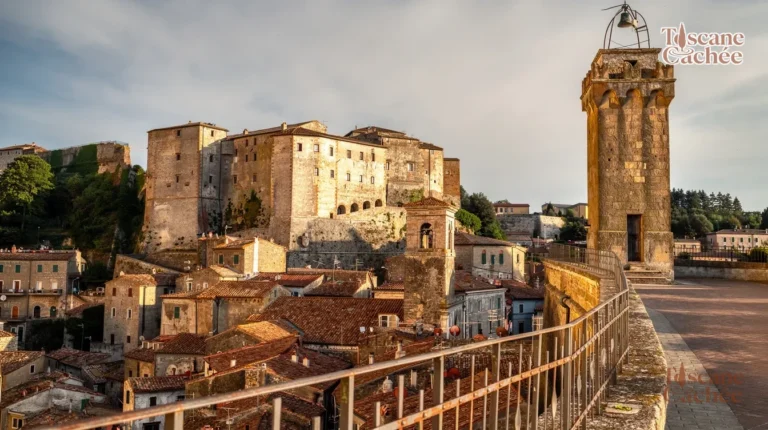
Masso Leopoldino
Perched above Sorano, the Masso Leopoldino opens up a panorama over the Maremma and over a town carved into the tuff, an Etruscan and medieval legacy
Tosco Climb up there in the late afternoon when the tuff glows in the setting sun, then head off to explore the *Vie Cave* just below for a radical change of atmosphere!
The Masso Leopoldino is a unique fortified terrace. It directly overlooks the historic center of Sorano. It is undoubtedly the most famous viewpoint in the area.
The panorama over the tiled roofs is breathtaking. The houses are stacked vertiginously above the precipices. From here you overlook the entire Lente valley.
Prefer late afternoon to go there. The raking light then enhances every relief of the tuff.
The wild perspective from the tombs of San Rocco
Head towards the plateau located on the other side of the gorge. You must leave the village to reach it. The trail is well marked for easy access.
Here, you see the village from the front like a monolithic block. This is the exact spot where you will take your best photo. Sorano literally emerges from the dense forest.
Access via the trail is very simple. The walk is short and presents no particular technical difficulty.
To capture the orange glow of the tuff, aim for the golden hour at sunset. Plan sturdy shoes for the San Rocco trail.
The ramparts of the Orsini Fortress facing the setting sun
Identify the observation points on the citadel's bastions. The old firing angles today offer unobstructed views. You then overlook the medieval ramparts.
The view opens onto the hills of the Maremma. The horizon stretches towards the Etruscan lands. The landscape remains raw and wild.
The setting takes on a military dimension during the golden hour. The shadows of the towers slowly lengthen over the sun-warmed tuff.
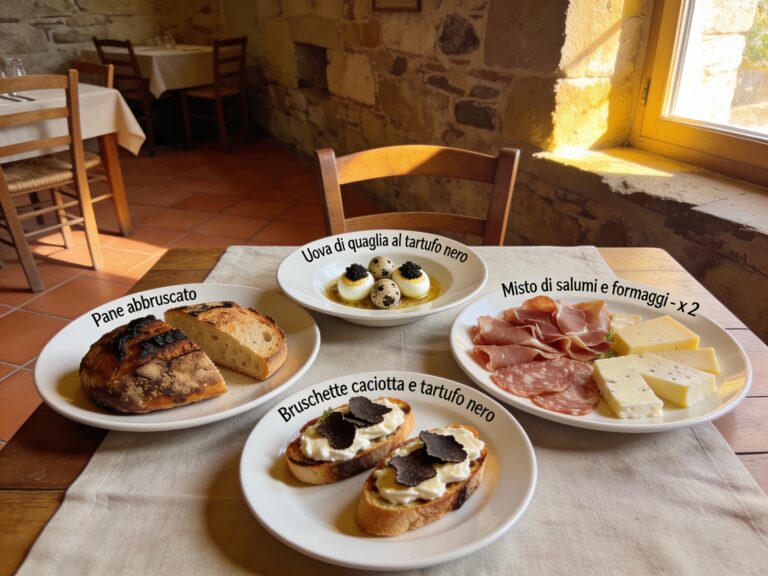
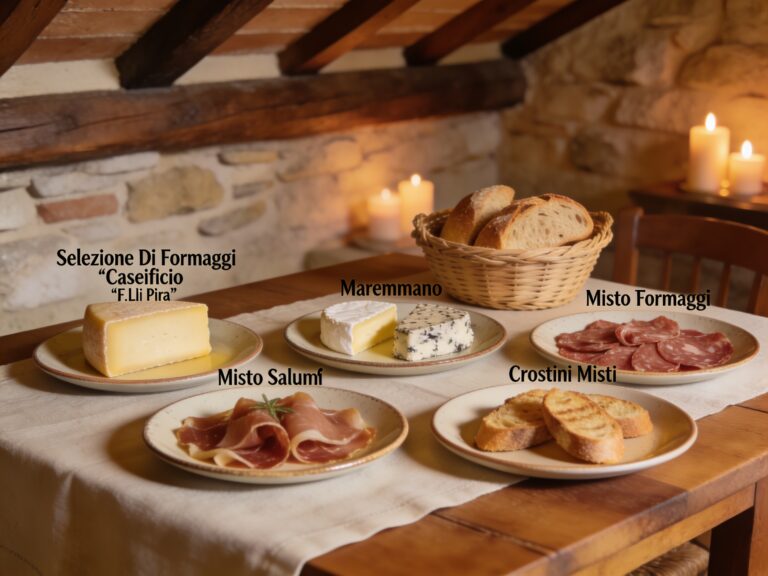
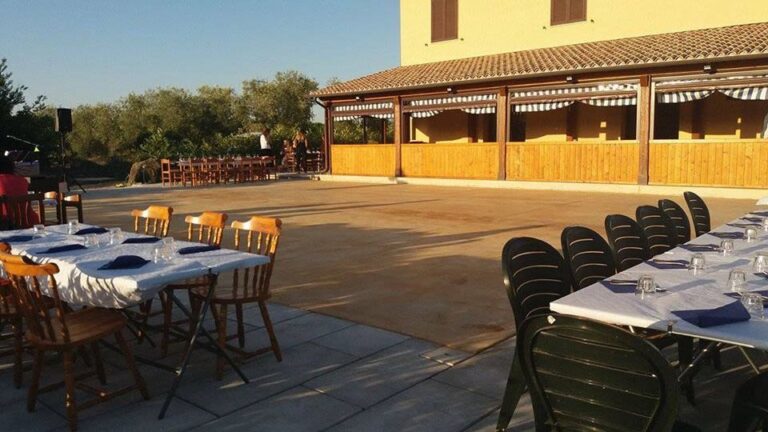
Restaurants · Masso Leopoldino
Nos tables préférées autour de Masso Leopoldino
How to explore the medieval maze without a compass?
Once the panoramas have been immortalized, head back down into the heart of the stone to lose yourself in the bowels of the city.
Crossing the historic gates of Sopra and Sotto
First cross the two main entrances. The Porta di Sopra marks the upper entrance to the village. At the opposite end, the Porta di Sotto, or Porta dei Merli, opens toward the wild valley.
These fortified gateways tell a story of fierce defense. They protected families from outside assaults. Look closely at the Orsini coats of arms carved into the stone, they are still there.
Forget your GPS and venture into the narrow alleys. Your instinct is the best guide here. Every hidden staircase can lead you to one of the vantage points over the tuff villages the most secret.
Understanding the structure of the houses carved into the cliff
Here, the architecture defies conventional rules. Bricks were not stacked, the cliff was hollowed out. The dark cellars descend vertically beneath your feet, sometimes over several levels.
Tuff is a living material. This volcanic rock breathes and maintains a constant coolness. It can be sculpted like butter but eventually hardens on contact with air.
The Jewish quarter offers the most vertigo-inducing facades. The houses seem literally welded to the precipice. It is a true technical feat accomplished right over the void.
- Thermal advantages : natural regulation of indoor temperature.
- Depth of the cellars : several floors carved below ground level.
- Integration: total fusion between the rock wall and the dwellings.
- Material: exclusive use of local rock extracted on site.
Orsini Fortress and the secrets of the tuff cities
This unique architecture is not just an aesthetic feat, it served as a foundation for a formidable military power.

Fortezza Orsini
The Fortezza Orsini is a medieval fortress overlooking Sorano, a tuff village fortified by the Aldobrandeschi, with underground passages to explore
Tosco Do not make the mistake of skipping the guided tour: it is the only way to access the labyrinth of underground passages carved into the tuff, by far the most impressive part of the site!
An impregnable bastion on the edge of the Maremma
The military architecture of the Orsini family is a veritable labyrinth. You will find massive bastions and deep moats there. This fortress was never taken by force.
The underground passages of the 16th century constituted an ingenious defense system. These galleries allowed soldiers to move around unseen. Today you can visit these dark and cool corridors.
To access the hidden parts, a guide is often necessary. It is the best way to understand the underground mines. You can book a guided tour in Maremma to explore these nooks.
Above all, don't miss the hall of frescoes. It testifies to the splendor of this ancient noble family. The 16th-century decorations are still clearly visible there.
The Etruscan influence in the foundations of the city
The medieval builders laid their stones on ancient necropolises. They intelligently used the antique cavities to stabilize the buildings. Sorano is a city built on several layers.
There is a strong historical link between Sorano and its neighbor Sovana. The two cities once shared the same political destiny. They form, along with Pitigliano, the golden triangle of tuff.
You will feel this historical continuity everywhere as you walk. The stone never lies about its origins. Each wall tells a layer of local history.
The nighttime experience and the table of the Maremma peasants
History can also be read on the plate, especially when the village regains its original calm under the stars.
Dining in silence after the tourists have fled
The hustle and bustle dies down as soon as the buses leave. The air becomes fresh, almost liquid. You hear nothing but the tapping of your steps on the stone.
The squares regain their majesty under soft lighting. The tuff seems to absorb every sound. It is the ideal time to wander in the darkness.
The austerity of the walls contrasts with the light of the taverns. The atmosphere becomes intimate and warm. You are welcomed like a guest who was expected.
Let yourself be carried away by this suspended atmosphere. It is in this bareness that Sorano reveals its true secret.
Taste the authenticity of Acquacotta and local wines

Acquacotta
In Sorano, acquacotta, a peasant soup from the Maremma, is the only concrete indication of this gastronomy address
Tosco Forget the overly chic versions: real *acquacotta* is savored in a small village *trattoria* of the village towards Pitigliano, with the egg yolk still nicely runny on the old Tuscan bread!
Pousse la porte d’une cellar for a Steaming Acquacotta. This soup of vegetables and eggs embodies peasant ingenuity. Find the best fresh products at the Sorano market to grasp its origin.
Accompany your meal with a Bianco di Pitigliano DOC. This mineral wine draws its strength from the volcanic soil. It perfectly highlights the flavor of sheep's cheeses.
Extra virgin olive oil remains the green treasure of Grosseto. Its peppery note is the signature of the Maremma lands.
| Typical dish | Key ingredients | Wine pairing | Note of authenticity |
|---|---|---|---|
| Acquacotta | Onions, poached egg | Bianco di Pitigliano | 5/5 |
| Pici all'aglione | Pasta, local garlic | Rosso Sovana | 4/5 |
| Sheep's cheese | Maremma milk | Bianco di Pitigliano | 5/5 |
| Wild boar | Game, red wine | Morellino | 4/5 |
Nos adresses · Sorano
Nos adresses préférées autour de Sorano
Alcohol abuse is dangerous for health, consume in moderation.
Logistics and truths for a successful trip
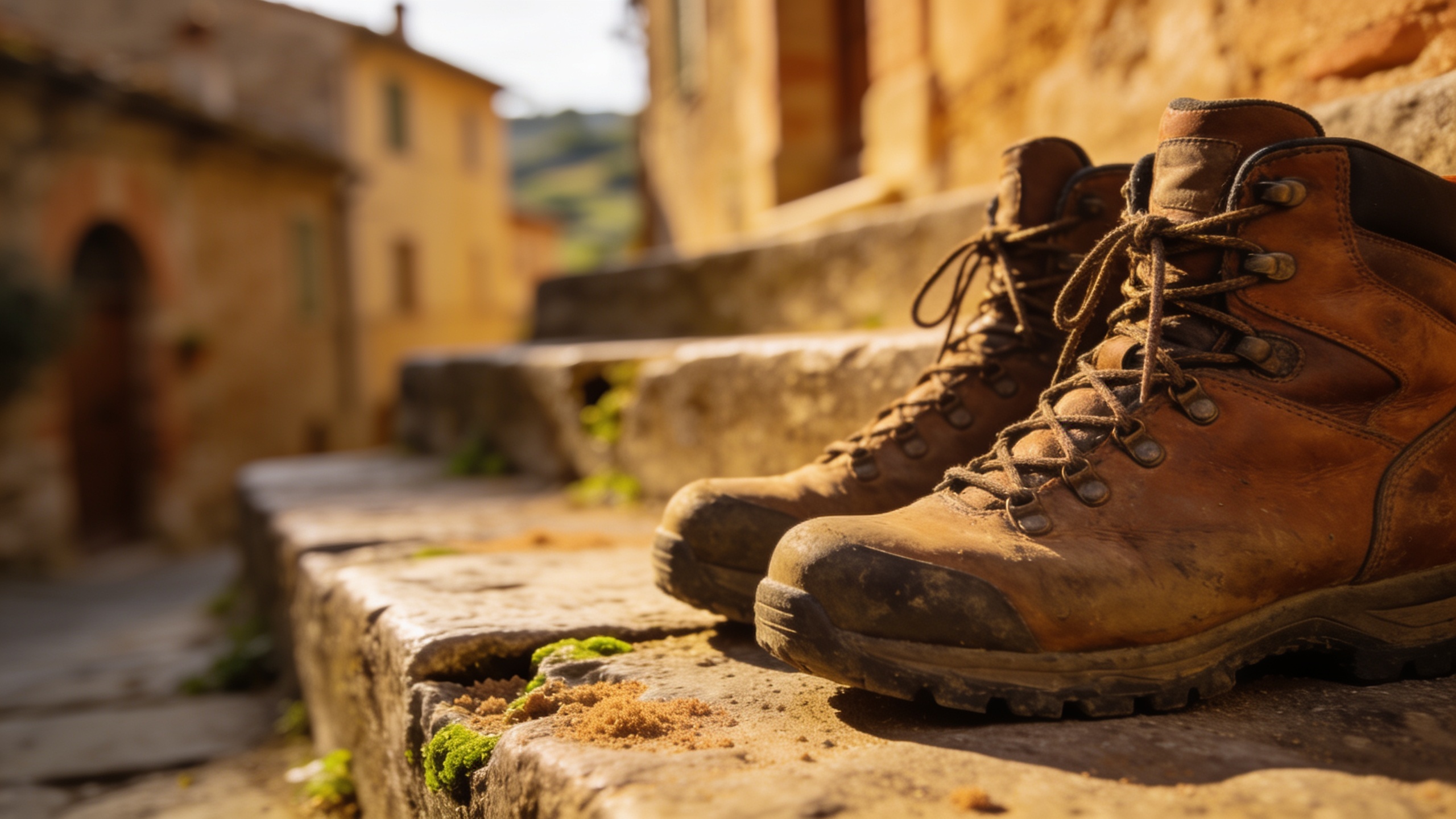
So that your immersion is perfect, here are some concrete tips for organizing your arrival in this stone stronghold.
Choosing your season to avoid heat and crowds
Favor the months of May or October for your hikes. The mild temperatures make exploring the deep gorges easier. Nature is then vibrant and welcoming.
Summer can prove exhausting in the Vie Cave. The heat stagnates between the tufa walls. In July, the air quickly becomes heavy and stifling under the sun.
Note that the historic sites close early during winter. The Orsini Fortress reduces its opening hours from November. Always check before setting off.
- Best period : May and October.
- Typical hours : 10:00 a.m. to 7:00 p.m. (Archaeological Park).
- Equipment: Hiking shoes with grippy soles.
Routes from Rome and parking at the foot of the walls
From Rome Fiumicino airport, allow two hours of travel. The car is your only true means of freedom here. Buses remain rare and restrictive.
Park in the free parking lots at the entrance to the upper village. Never attempt to descend into the historic center. The alleys are far too narrow for your vehicle.
Exploration is done exclusively on foot with a significant elevation change. Your calves will work hard on the cobblestones. Bring good shoes so you don't slip.
If you're still hesitating about your base, check out this comparison to know whether to choose Pitigliano or Sorano for your stay in the tuff.
Route: 2h from Rome Fiumicino. Parking: Free zones at the upper entrance. Accessibility: Pedestrian center with steep slopes.
Sorano imprints itself durably in your mind thanks to this wild union between Etruscan architecture and volcanic rock. Whether you explore the galleries of the Orsini Fortress or taste an Acquacotta in a tuff cave, you will remember this unique orange light. Do you prefer the silence of dusk or the raw energy of the viewpoints to visit Sorano in Tuscany?
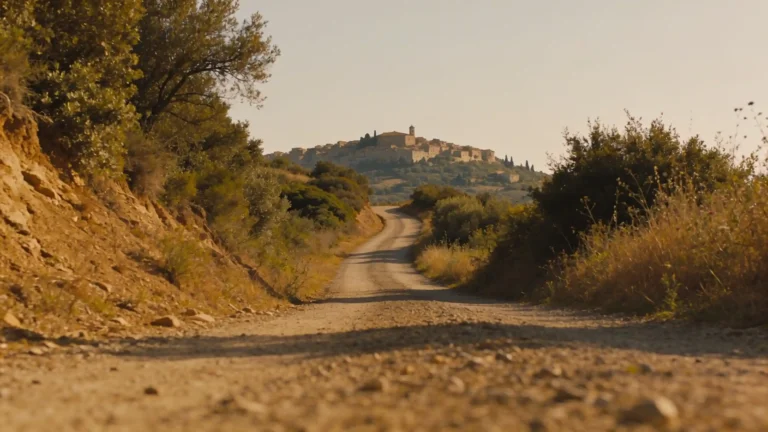
Ah, dusk over Sorano, a magical moment that etches the Maremma into memory! To capture that distinctive orange glow of the volcanic tuff, several viewpoints await you, each with its own unique perspective. The most iconic is undoubtedly the Masso Leopoldino, a fortified terrace that overlooks the historic center directly. From there, you’ll have a bird’s-eye view of the tiled roofs and the houses that seem to stack up in a dizzying way. It’s an excellent spot for a tripod, as the space is relatively open, but plan to arrive a little before sunset to secure a good spot, as it can get crowded.
For a wilder and more iconic view, I warmly recommend the plateau on the other side of the gorge, accessible via the trail leading to the San Rocco tombs. You’ll need to leave the village to reach it, but the path is well marked and the walk is short, with no major technical difficulty. It’s from there that you’ll see Sorano like a monolithic block rising out of the dense forest, the ideal place for your « signature photo » of the village. The space there is larger, which is perfect for setting up your equipment without getting in anyone’s way. Finally, the ramparts of the Orsini Fortress also offer interesting observation points. Many historic bastions and gun emplacements have been converted into viewpoints, allowing you to overlook the medieval ramparts with an unobstructed view of the Maremma hills. Whatever your choice, aim for the golden hour to capture that distinctive glow, and don’t forget sturdy shoes, especially if you venture onto the trails to reach San Rocco.
Excellent question, because the authenticity of Sorano also comes from its terrain! This village carved into volcanic tuff is magnificent, but its terrain is also its main challenge for families with young children. The narrow streets are cobbled and, above all, have a significant elevation change. The historic center is entirely pedestrian, which is an advantage for safety, but a stroller will unfortunately be very difficult to maneuver, or even impractical, in most areas. You’ll often find yourself facing stairs, arched passageways, and steep slopes that are not at all suited to wheels.
To explore Sorano with young children, I strongly advise you to opt for a baby carrier or a baby sling. This will allow you to fully immerse yourself in the medieval maze, pass through the historic gates such as the Porta di Sopra et la Porta di Sotto, and understand the unique structure of the houses carved into the cliff, without being hindered by equipment. Keep in mind that even for adults, good walking shoes with grippy soles are essential to avoid slipping on the cobblestones. The Orsini Fortress, while fascinating, also has many steps and underground passages that can be dark. The experience is worth it, but good logistical preparation is the key to peacefully enjoying this jewel of the Maremma.
The Vie Cave are one of the most fascinating treasures of the Maremma and a natural and unmissable extension of your visit to Sorano. Imagine mysterious paths, sometimes very deep and narrow, carved directly into the volcanic tuff rock by the Etruscans, thousands of years ago. These true trenches served both as communication routes, trade roads, and probably as funerary or ritual paths. Their atmosphere is unique: the rock walls sometimes rise several dozen meters high, creating a cool, shaded, almost mystical ambiance. It’s an immersive experience that connects you directly to the ancient history of this region.
Yes, the Vie Cave are absolutely worth the detour and make for an unforgettable hike! Around Sorano, you’ll find several, and they are generally well signposted. The duration of the routes varies greatly. Some can be short walks of an hour or two, while others can fit into loops of several hours linking different Etruscan sites, such as the necropolises. For example, the Via Cava di San Rocco is directly accessible from the village and leads to Etruscan tombs. The difficulties are generally not technical, but the ground can be uneven, sometimes muddy after rain, and the slopes can be steep in places. Sturdy, grippy walking shoes are therefore essential. It is not advisable to explore them in the height of summer, as the heat can stagnate between the walls. The months of May or October are ideal, offering mild temperatures and vibrant nature. Don’t hesitate to inquire at the local tourist office for detailed maps and advice on routes suited to your level and the time you have available.
Absolutely! agriturismos in Maremma are the option par excellence for authentic accommodation near Sorano and a total immersion in the local culture. Far from standardized hotels, an agriturismo is a working farm that offers rooms or apartments for rent, often with meals prepared from the farm’s produce. It’s a fantastic way to experience Tuscan hospitality, taste the local cuisine such as Acquacotta, and enjoy the tranquility of the surrounding countryside.
To make sure of the quality and authenticity, several criteria should be taken into account. Give preference to those that highlight their local production (wine, olive oil, cheeses, cured meats) and that offer tastings or activities related to rural life (cooking classes, grape harvests, olive picking). Read the avis de voyageurs dans la Maremma online carefully; they are a goldmine of information about the welcome, cleanliness, quality of meals, and overall atmosphere. An authentic agriturismo will often be family-run, with owners passionate about their land and eager to share their way of life. Don’t hesitate to contact the establishments directly to ask questions about their services and philosophy. Some agriturismos are even set up in old stone buildings, offering a rustic and charming setting that harmonizes perfectly with the spirit of Sorano and the tuff villages.
If you’re a foodie, the Maremma and Sorano will delight you! The cuisine here is rustic, flavorful, and rooted in peasant traditions, showcasing simple but exceptionally high-quality products. The iconic specialty you absolutely must try is Acquacotta. This « cooked water » is a hearty vegetable soup, often garnished with a poached egg and stale bread. It’s a humble but incredibly comforting dish, embodying the culinary ingenuity of the region. You’ll find it in most local trattorias. Pair it with a good glass of Bianco di Pitigliano DOC, a mineral white wine that draws its strength from the volcanic soil and pairs perfectly with local sheep’s cheeses.
Also don’t miss the Pici all'aglione, thick hand-made pasta served with a tomato sauce made with local garlic, or the game dishes, notably wild boar (cinghiale), often cooked as a stew with red wine and served with polenta or pasta. The extra virgin olive oil from the Grosseto area is another treasure: its peppery note is the signature of the Maremma lands. To find these delights and other fresh products, local markets are your best allies. The Sorano market offers a nice selection, but the markets of neighboring villages like Pitigliano or Manciano are also excellent for finding cheeses, cured meats, seasonal vegetables and, of course, wine directly from producers. Don’t forget to try the cantucci (almond biscuits) with a glass of Vin Santo for a sweet touch. For more details on budgets, you can check out our article on manger en Maremma sans se ruiner.
That’s an excellent question and a common dilemma for travelers discovering the « tuff triangle »! If you are specifically looking for a « mineral shock » and a more raw and authentic experience, away from the crowds, while emphasizing the historical and architectural aspect, I would advise you to choose Sorano. Although both villages are magnificent and set into the volcanic rock, Sorano has retained a wilder and less polished character than its neighbor Pitigliano, which is often more frequented by tourists and therefore a bit more developed in terms of infrastructure.
In Sorano, the troglodyte architecture is particularly striking, with houses that seem to literally merge with the cliff. The Masso Leopoldino et la Orsini Fortress offer dizzying views and a deep immersion into medieval and Etruscan history. The atmosphere, especially at dusk, is memorably silent and the peasant authenticity is still very much present. You will physically feel the weight of history as you get lost in its narrow streets and arched passageways. Pitigliano, with its highly developed Jewish quarter and its spectacular views, is also superb, but Sorano offers that more intimate and less commercialized side that better matches your search for a « mineral shock » experience and preserved authenticity. For an in-depth exploration of both, there is a strong historical link between them and the Vie Cave connect them, but if time is short, Sorano is the choice for this raw immersion in stone and history.
Around this article

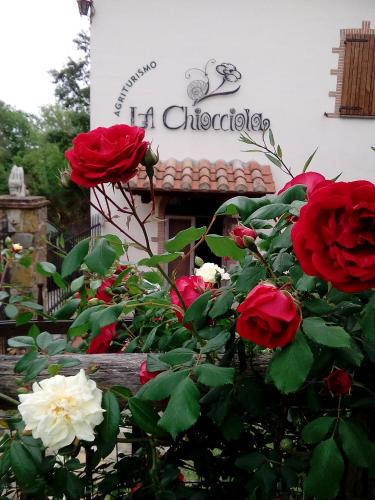
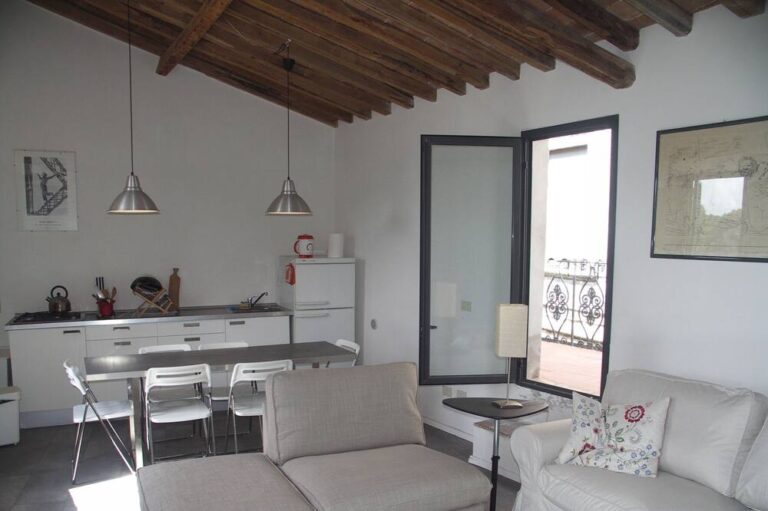

Is the map not displaying? See accommodations on Stay22
Map and prices provided by Stay22: Toscane Cachée may receive a commission on bookings.
You will also like

Pitigliano vs Sorano: which of the two tuff cities is really worth the detour?
Choose Pitigliano for its Jewish and medieval effervescence or Sorano for its wild calm.…

Sorano and Vitozza: 2 days in the rock cities
Explore the rock cities of Maremma in 2 days. Discover Sorano and Vitozza, then...

Tuff villages tour 2026: 3 days in Tuscan Maremma
Discover this tuff villages tour in Maremma. Explore Pitigliano, Sorano and Sovana in 3…
The 5 most beautiful viewpoints overlooking the tuff villages in Maremma
Discover the Maremma tufa villages: from the view over Pitigliano to the Madonna…