






Tours & stays in Tuscany
Organized tours, self-drive tours, treks and stays selected by Toscane Cachée, throughout Tuscany — beyond Maremma.
No tour matches these criteria. Try broadening your search!

4 days in Florence.
- 4 days
Séjour de 4 jours à Florence avec petits-déjeuners et possibilité de visiter la Galerie de l'Académie en option
 TourRadar
8 days by bike: Maremma and the vineyards of Scansano
- 8 days
- Escorted
Huit jours à vélo électrique de Pise à l'île d'Elbe, entre parc de la Maremme, vignobles de Scansano et Monte Argentario, avec dégustations et dîners locaux

8 days by bike from Pisa to Elba, Maremma and Scansano
- 8 days
- Escorted
Huit jours à vélo électrique de Grosseto au parc de la Maremme, Scansano et l'île d'Elbe, avec dégustation de Morellino et visite de Villa San Martino

8 days in a villa in Chianti, from Florence to Radda
- 8 days
Huit jours en villa dans le Chianti avec sept nuits sur place, des visites chez des producteurs (pecorino, winery, Villa Le Corti) et des villages comme Greve et Radda

By bike: Florence, Chianti, Siena and Vinci at your own pace
- 8 days
- Independent
Huit jours à vélo de Florence à Pise par le Chianti, Sienne, San Gimignano, Vinci et Lucques, avec briefing en anglais

By bike: Florence, Val d'Orcia and Chianti in 8 days
- 8 days
- Escorted
Huit jours à vélo de Florence au Chianti, avec Arezzo, le lac Trasimène, Montepulciano, Pienza, Montalcino et Sienne, dégustation de Brunello et Strade Bianche incluses

By bike from Florence to Siena, Brunello and Chianti in 8 days
- 8 days
- Independent
Huit jours à vélo de Florence à Sienne par Arezzo, le lac Trasimène, Montepulciano, Montalcino et le Chianti, avec train et dégustation de Brunello inclus
By bike from Florence to Chianti and Siena
- 8 days
- Escorted
Huit jours à vélo guidés de Florence à Montepulciano, avec dégustations chez des producteurs du Chianti et visites d'abbayes comme Sant Antimo et Monte Oliveto Maggiore

By bike from Montecatini to Florence, via Siena and Lucca, 8 days
- 8 days
- Escorted
Huit jours à vélo guidés de Montecatini à Florence, avec Sienne, Lucques, Pise, San Gimignano et les vignes du Chianti, déjeuners inclus
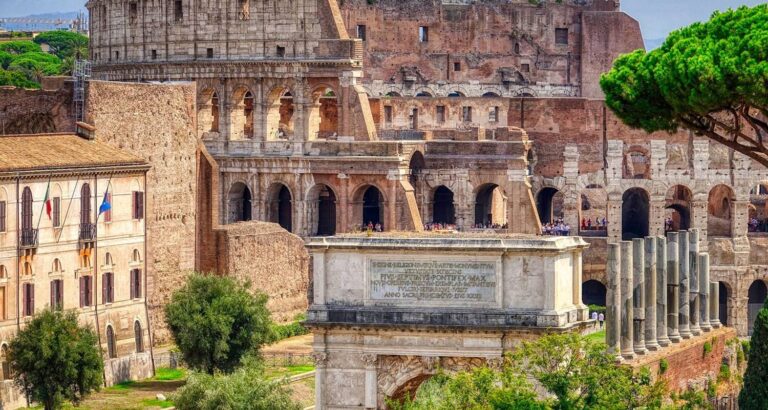
By bike from Rome to Florence via Siena, 5 days
- 5 days
- Escorted
Cinq jours en e-bike de Rome à Florence avec Via Appia, catacombes, vignobles du Chianti Classico et dégustation en osteria

By bike in Tuscany and Chianti
- 8 days
- Escorted
Huit jours de vélo guidé de Florence à Pise par le Chianti, les Strade Bianche et la Via Francigena, avec Castello di Brolio et Casa Eroica

By bike in Val d'Orcia: Buonconvento, Pienza and Montepulciano
- 3 days
- Independent
Trois jours à vélo électrique entre Buonconvento, Montalcino, Pienza, Bagno Vignoni et Montepulciano, avec dégustations de Brunello et de Nobile

4-day self-guided tour San Gimignano, Chianti Classico and Siena
- 4 jours / 3 nuits
- Independent
- Hébergement inclus
Autotour de 4 jours en liberté entre San Gimignano, les villages du Chianti Classico et Sienne, avec voiture de location et dîner-dégustation inclus
 Leclerc Voyages

4* self-guided tour from Florence to Siena, San Gimignano and Montalcino
- 6 jours
- Independent
Autotour de 6 jours au départ de Florence, basé à Sienne, avec Sienne guidée, San Gimignano, Pienza, Montepulciano et trois dégustations de vins du Chianti, Brunello et Nobile
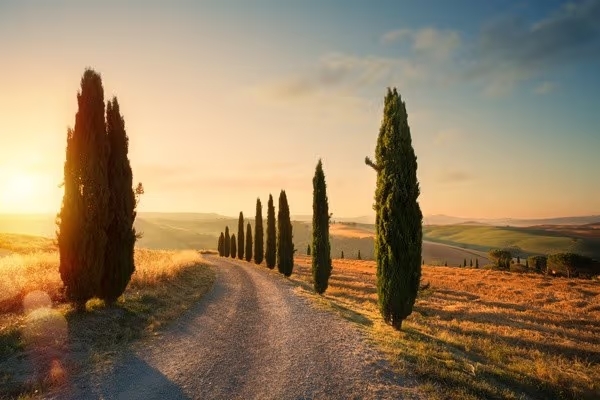
Self-guided tour Florence and Chianti, 4-day getaway
- 4 jours / 3 nuits
- Independent
- Hébergement inclus
Autotour de 4 jours entre Florence, San Gimignano et le Chianti, hébergement et repas inclus, à 565 € par personne

Self-guided tour Florence and Chianti vineyards to San Gimignano
- 4 days
- Independent
Autotour de 4 jours entre Florence et San Gimignano, avec tuk-tuk dans le Chianti, dégustation chez un domaine familial et cours de cuisine en ferme

Self-guided tour Florence, Pisa, Chianti and Siena in 7 days
- 7 days
- Independent
Autotour de 7 jours en liberté entre Florence, Pise, le Chianti, Sienne et San Gimignano, avec visites incluses de l'Académie, des Uffizi et du Duomo de Sienne

Self-guided tour Florence, Siena, Montalcino and Val d'Orcia
- 6 jours
- Independent
Autotour de 6 jours en Toscane reliant Florence, Sienne, Montepulciano, le Val d'Orcia, Pienza, Montalcino et Monteriggioni, avec quatre nuits au même hôtel
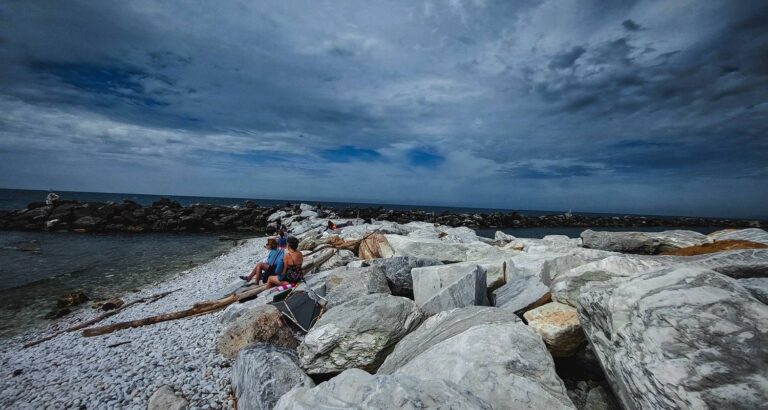
Self-guided tour Pisa and Florence, 5 days, from Marina to the Ponte Vecchio
- 5 days
- Independent
Un autotour de cinq jours de Pise à Bologne via Florence, avec tour penchée, Ponte Vecchio et Le Due Torri, hébergements nommés chaque nuit
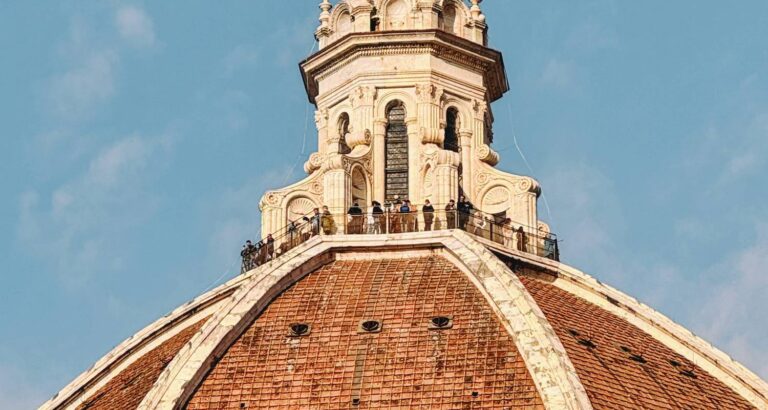
Self-guided tour Pisa-Florence: 5 days, from the Arno to the Piazza dei Miracoli
- 5 days
- Independent
Autotour de 5 jours entre Pise et Florence, avec trois nuits à Pise et une à Florence, les trajets se faisant en train

Self-guided tour Rome, Florence, Pisa and Venice at leisure
- 7 days
- Independent
Autotour de 7 jours en liberté reliant Rome, Florence, Pise et Venise, avec bus touristique, excursion à Pise et balade en gondole inclus

Self-guided tour San Gimignano, Siena and Volterra, 6 days
- 6 jours / 5 nuits
- Independent
- Hébergement inclus
Autotour de 6 jours en Toscane entre San Gimignano, Sienne, Volterra, Pienza et Montepulciano, avec vignobles du Chianti et dégustations

 Weekend in Italy


Tour: Heading for Tuscany and the Cinque Terre
- 8 days / 7 nights
- Escorted
- Hébergement inclus
Huit jours entre Milan, Florence, Pise, Lucques, le Chianti et les Cinq Terres, avec visites guidées, dégustations et transports inclus
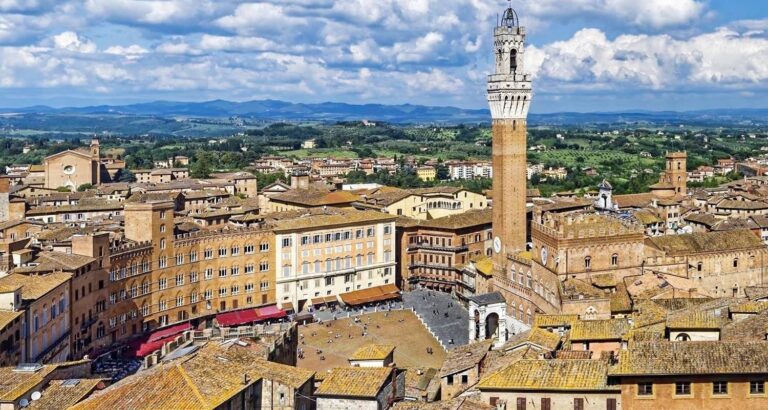
4-day tour of Tuscany - departing from Rome
- 4 days
- Escorted
Quatre jours au départ de Rome vers Tivoli, Orvieto, Sienne, le Chianti, Lucques et Montepulciano, avec visites et dégustations nommées chaque jour

7-day tour of Rome, Florence, Tuscany and Venice
- 7 days
- Escorted
Circuit guidé de 7 jours de Rome à Venise via Florence, Sienne, San Gimignano et Pise, avec entrées coupe-file et food tours inclus

Circuit Essentiel de la Toscane : Florence, Sienne et l'île d'Elbe
- 8 days, 7 nights
- Escorted
- Hébergement inclus
Huit jours de Florence à l'île d'Elbe avec San Gimignano, Sienne, Lucques et Pise, entrées et déjeuners en ferme inclus
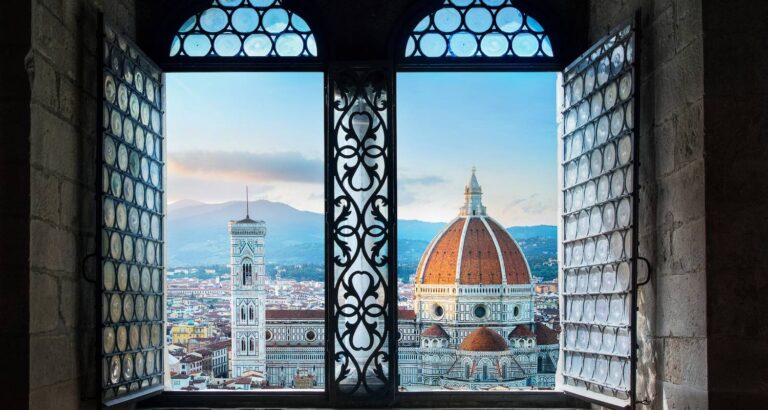
6-day gastronomic tour of Florence and Tuscany
- 6 jours
- Escorted
Six jours entre Florence, Pienza et Montepulciano avec dégustations de vin, marché et cours de cuisine toscane inclus

Guided tour Rome, Florence, Siena and Chianti 6 days
- 6 jours
- Escorted
Six jours guidés de Rome au Chianti, avec Vatican, Chapelle Sixtine, Sienne, San Gimignano et dégustation en cave

Heritage and Freedom Tour: Rome and Florence
- 6 jours, 5 nuits
- Escorted
- Hébergement inclus
Circuit de 6 jours en train entre Rome et Florence, avec deux journées guidées denses à Rome et des hôtels 3* pour un prix moyen de 137 € par jour

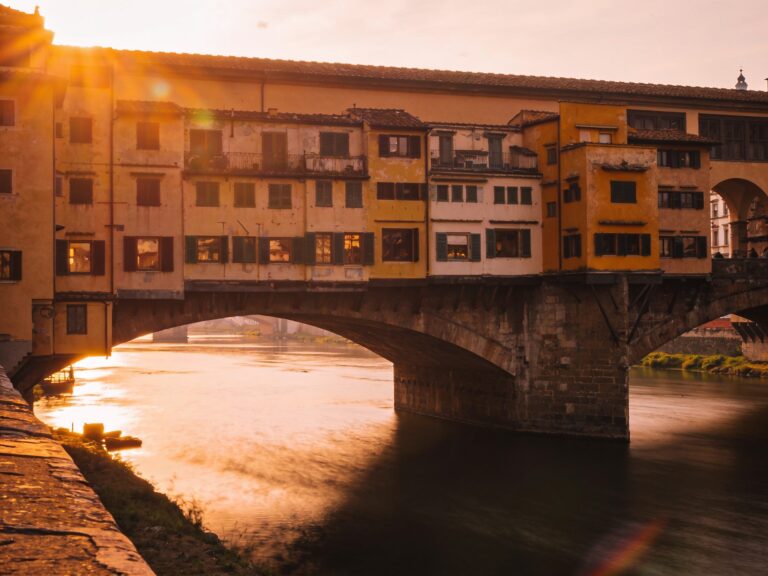
Florence City Break with Museum Pass
- 4 jours, 3 nuits
- Hébergement inclus
- Meal included
City break de 4 jours à Florence avec pass 3 jours incluant Offices, Corridor de Vasari, Palais Pitti et jardins de Boboli, vols et hôtel 3* en petit déjeuner

Cortona to Siena by bike, via Montepulciano and Pienza
- 8 days
- Independent
Un itinéraire à vélo de Cortona à Sienne par le lac Trasimène, Montepulciano, Pienza et Montalcino, au cœur du Val d'Orcia et des Crete Senesi

From Florence to Garfagnana and Pisa by bike
- 8 days
- Escorted
Huit jours de vélo guidé de Florence à Pise par Vinci, la Garfagnana, les carrières de marbre des Alpes Apuanes et les remparts de Lucques

From Florence to Pisa: 4 days in guided Tuscany
- 4 days
- Escorted
Quatre jours guidés de Florence à Pise avec dégustations de Brunello et de Chianti, visites de Volterra, San Gimignano et Bolgheri

From Florence to Pitigliano: 7 days of guided Tuscan craftsmanship
- 7 days
- Escorted
Sept jours guidés de Florence à Pitigliano mêlant ateliers d'artisanat, musée Ferragamo, Sienne, dégustation à Montalcino, cours de cuisine et thermes

From Milan to Rome by train: 7 guided days
- 7 days
- Escorted
Sept jours guidés de Milan à Rome en train, avec Duomo et terrasses, Tour de Pise, Colisée et Cité du Vatican inclus

From Montecatini, Vinci and Chianti, guided tour
- 8 days
- Escorted
Circuit guidé de 8 jours au départ de Montecatini, entre Vinci, vallée du Chianti, Lucca et Bolgheri, avec ateliers pain, cuisine et dégustations

From Rome to Montalcino and Greve in Chianti, guided
- 5 days
- Escorted
Cinq jours guidés de Rome à Pitigliano, avec dégustations à Banfi et Greve, villages médiévaux, Arezzo et le Val d'Orcia

From Rome to Siena: 6 guided days in Tuscany
- 6 jours
- Escorted
Six jours guidés de Rome à Florence avec Colisée, Vatican, Offices, Sienne, San Gimignano et Pise, hôtels 4* et déjeuner dégustation inclus

From Rome to Venice: 9 guided days from Pienza to Fiesole
- 9 jours
- Escorted
Neuf jours guidés de Rome à Venise avec trois nuits à Rome, deux à Montepulciano, deux à Florence et deux à Venise, dégustation de vin incluse

From Rome to Venice, 7 days by train via Florence and Siena
- 7 days
- Escorted
Sept jours en train de Rome à Venise, avec Vatican, Sienne, déjeuner chez un vigneron du Chianti, San Gimignano et Venise guidée

From Rome to Venice, 9 days: guided Pienza and Siena
- 9 jours
- Escorted
Circuit de 9 jours de Rome à Venise avec visites guidées de Sienne, Florence et Venise, marchés de Noël et tour food inclus

From Rome to Venice, via Siena and Florence
- 8 days
- Escorted
Huit jours de Rome à Venise avec Vatican en accès anticipé, agriturismo, Sienne, Pise, Lucques et Florence

From Rome to the Vatican: 6 guided days in Tuscany
- 6 jours
- Escorted
Six jours guidés de Rome au Vatican puis Florence, avec Sienne, San Gimignano, Monteriggioni et un domaine du Chianti Classico

From Venice to Pisa: 7 nights among cities of art
- 7 nuits
- Escorted
- Hébergement inclus
Circuit encadré de 7 nuits entre Venise, Padoue, Florence, Lucques et Pise, en demi-pension avec transports, taxe de séjour et guides locaux francophones inclus

From Venice to Rome, 9 days through guided Tuscany
- 9 jours
- Escorted
Circuit guidé de 9 jours de Venise à Rome avec hôtels 3*-5*, trains, food tours, dégustation en vignoble du Chianti et entrées coupe-file au Doge's Palace, au Colisée et au Vatican

From Chianti to Siena: 8 days of self-guided hiking
- 8 days
- Independent
- Hébergement inclus
Huit jours de randonnée en liberté de Florence à Sienne par le Chianti, Greve in Chianti et San Gimignano, avec hébergement en hôtel et six jours de marche
 Atalante

Getaway to Florence and Tuscany - 3 days/2 nights
- 3 days
Trois jours entre Florence, une journée dans le Chianti avec dégustation et San Gimignano, deux nuits en auberge

Getaway to Siena and the Val d'Orcia
- 4 days
- Escorted
Quatre jours entre Sienne, Monteriggioni, Pienza et Montepulciano, avec visite guidée, cathédrale et deux dégustations de vin incluses, trois nuits au même hôtel 4*

Wine getaway to San Gimignano and the Chianti
- 3 days
Trois jours à San Gimignano avec une journée œnologique dans le Chianti : trois domaines, dégustations de Chianti et Vernaccia, huiles et balsamique
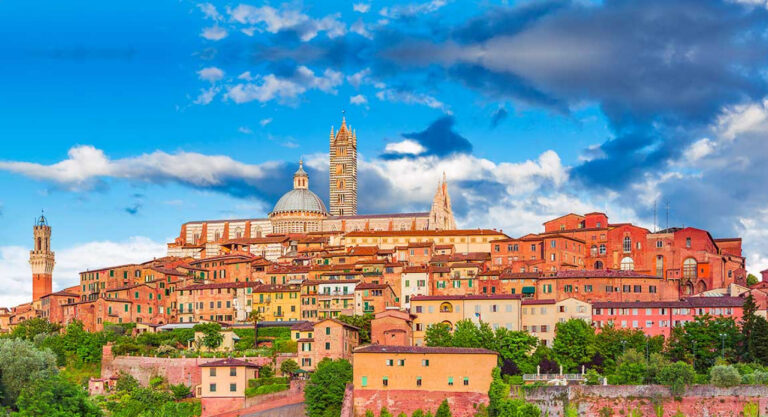
Day trip: Siena, San Gimignano, Monteriggioni and Chianti
- Escorted
Une journée dense reliant Sienne, San Gimignano, Monteriggioni et un domaine du Chianti, avec guide, entrées et dégustations inclus

Excursion: colors and flavors of the Chianti
- 5 heures
- Escorted
Excursion d'un après-midi au départ de Florence vers le Chianti : visite d'une cave, dégustation de Chianti avec produits toscans et temps libre à Monteriggioni

Florence: A getaway in Tuscany
- 4 days
Séjour de 4 jours basé à Florence avec excursions guidées à Sienne, San Gimignano et Pise, déjeuner dans un domaine viticole et dégustation inclus

Florence to Cortona: Chianti, Siena and Val d'Orcia in 6 days
- 6 jours
- Escorted
Six jours de Florence à Cortone avec dégustations chez des vignerons, villages du Chianti, Sienne, Pienza et Montepulciano

Florence to Pisa: 5 days of guided gourmet delights in Tuscany
- 5 days
- Escorted
Cinq jours guidés de Florence à Pise avec dégustations florentines, cours de cuisine, Mercato Centrale, vignoble du Chianti, Sienne et San Gimignano

Florence and Chianti: 4 days of art and wine
- 4 days
Quatre jours à Florence avec Accademia, Duomo et Offices inclus, plus une excursion optionnelle vers Chianti, Pienza et Montepulciano

Florence and Chianti: wines, David, Uffizi 4 days
- 4 days
Séjour de 4 jours à Florence avec visite privée, Accademia incluse et une journée en Chianti chez un vigneron

Florence and Fiesole: 5 days of guided discoveries
- 5 days
Cinq jours à Florence avec guide germanophone, visites extérieures du Duomo, de Santa Maria Novella et de San Miniato, plus une excursion à Fiesole

Florence and Chianti: 3 guided days with tastings
- 3 days
- Escorted
Trois jours guidés entre Florence et le Chianti avec dégustations de vins et d'huile d'olive, dîner toscan et bar crawl nocturne inclus

Florence and Lucca: Guided getaway
- 5 days
- Escorted
Escapade guidée de 5 jours entre Florence et Lucques, avec dîner en trattoria, visite guidée, entrée aux Offices et trajet en train vers Lucques

Florence and Montecatini Terme: self-guided tour in a 4* hotel
- 7 days
- Independent
Autotour de 7 jours entre Florence et Montecatini Terme, avec dégustation et déjeuner fermier, visite guidée de Florence et hôtels 4*

Florence and Pisa to Montecatini Terme (4* hotel)
- 8 days
Séjour de 8 jours basé à Montecatini Terme, avec visites guidées de Florence, Pise, Sienne, Vinci et San Gimignano et dégustations en ferme et vignoble

Florence and San Gimignano in 3 days
- 3 days
- Independent
Trois jours à Florence avec une échappée dans le Chianti et à San Gimignano, dégustations de vin, d'huile et de vinaigre balsamique incluses

Florence and Siena: 8 days in central Tuscany
- 8 days
Huit jours basés à Florence avec visites guidées de Florence, Sienne, San Gimignano, Pise et une journée aux Cinque Terre

Florence, Chianti and Siena: guided Tuscany
- 8 days
- Escorted
Huit jours guidés entre Florence, le Chianti, San Gimignano, Sienne et Pise, avec entrées coupe-file et dégustation de vin incluses

Florence, Chianti and Val d'Orcia: 5 guided days
- 5 days
- Escorted
Cinq jours guidés entre Florence, ses musées et la campagne du Chianti et de la Val d'Orcia, avec dégustations de vins et déjeuner à Pienza

Florence, Cinque Terre and Pienza on a guided tour
- 8 days
- Escorted
Circuit guidé de 8 jours mêlant Florence, Cinque Terre, Pise, Volterra, Sienne et Pienza, avec dégustations de vin, fromage, gelato et huile d'olive et un cours de cuisine

Florence, Cinque Terre, Siena: guided cities of art and wines
- 8 days
- Escorted
Huit jours basés à Montecatini Terme avec ferme, Cinque Terre, Vinci, Sienne, Monteriggioni et San Gimignano, dégustations et train inclus

Florence, Lucca and Pisa: guided Tuscany
- 8 days
- Escorted
Huit jours guidés entre Florence, Lucques, Pise et Arezzo, avec Dôme, Uffizi, remparts et Tour de Pise inclus, au départ d'un seul hôtel florentin

Guided Florence, Montecatini, Siena and San Gimignano
- 6 jours
- Escorted
Séjour de 6 jours basé à Montecatini Terme, mêlant Florence guidée, ferme viticole, Sienne, Monteriggioni, San Gimignano et dégustation Chianti

Florence, Pisa and Chianti: 7 guided days in a group
- 7 days
- Escorted
Sept jours guidés entre Florence, Pise, Greve in Chianti et Sienne, avec dégustation et déjeuner dans une winery du Chianti
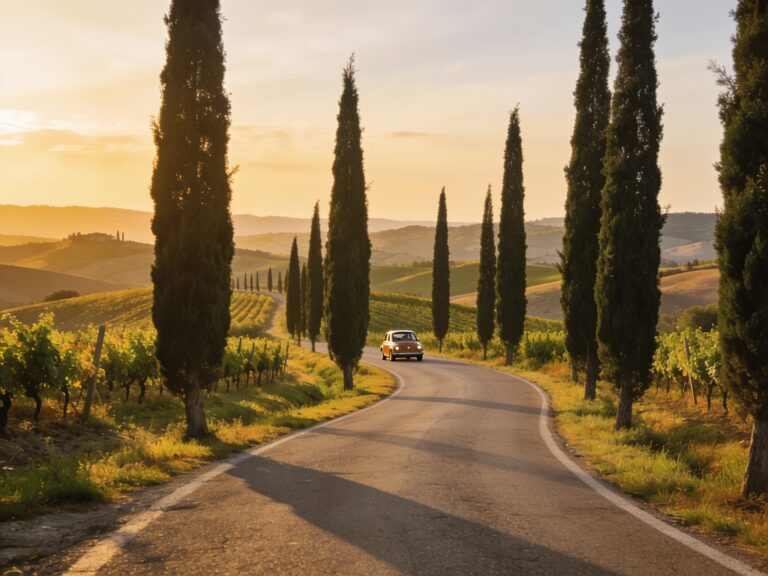
Florence, Pisa and Cinque Terre by train – 8 days
- 8 days, 7 nights
- Independent
- Hébergement inclus
Huit jours en train de Florence à Pise et aux Cinque Terre, avec pass de 2 jours et trois nuits consécutives à La Spezia

Florence, Pisa and San Gimignano towards Siena
- 3 days
- Escorted
Trois jours guidés entre Florence, Pise, San Gimignano et Sienne, avec Tour penchée, déjeuner toscan et visites guidées incluses

Florence, Pisa and Siena: 5 guided days in Tuscany
- 5 days
- Escorted
Cinq jours guidés entre Florence, Lucques, Pise, San Gimignano et Sienne, avec hôtel 4*, entrée coupe-file à l'Académie et déjeuner dans un vignoble

Florence, Pisa and Siena: 7 guided days in a group
- 7 days
- Escorted
Sept jours guidés entre Florence, Pise, le Chianti et Sienne, avec visites incluses, dégustation en vignoble et hôtels 4*

Florence, Pisa and Siena: guided Tuscany in 4 stars
- 8 days
- Escorted
Circuit guidé de 8 jours entre Florence, Lucques, Pise et Sienne, avec montée à la tour de Pise, pass du Duomo de Sienne et dégustation en Chianti

Florence, Pisa and Siena in 4-star hotels
- 8 days
Huit jours entre Florence, Pise, Lucques, Sienne et les villages du Val d'Orcia, avec guides, dégustations viticoles et hôtels 4 étoiles

Florence, San Gimignano and Volterra on a guided tour
- 7 days
- Escorted
Sept jours entre Florence, San Gimignano, Volterra et Sienne, avec cours de cuisine, atelier d'albâtre et dégustation de vin, au calme d'une maison d'hôte

Florence, San Gimignano, Siena: 4 days on a guided excursion
- 4 days
- Escorted
Quatre jours guidés entre Florence, San Gimignano et Sienne, avec Accademia incluse et dégustation chez un vigneron de la campagne toscane

Florence, Siena and Chianti: 8 guided days in Tuscany
- 8 days, 7 nights
- Escorted
- Hébergement inclus
Huit jours guidés entre Florence, Sienne, Pise et Lucques, avec dégustations de chianti en ferme et sept nuits au même hôtel à Montecatini Terme

Florence, Siena and Cinque Terre on a guided tour
- 5 days
- Escorted
Circuit guidé de 5 jours au départ de Florence : Sienne, San Gimignano, Pise, Cinque Terre et Val d'Orcia, avec dégustations de Brunello, Vino Nobile et pecorino

Florence, Siena and Montepulciano in a guided group
- 7 days
- Escorted
Sept jours guidés de Florence à Montepulciano, avec Accademia, Sienne, San Gimignano, Arezzo, Cortona, Pienza et dégustations en Chianti et Val d'Orcia

Florence, Siena and Pisa: 10 days by bike
- 10 days
- Independent
Dix jours à vélo de Florence à Pise par Greve, Radda, Sienne, San Gimignano, Vinci, Lucques et Massaciuccoli, en autonomie
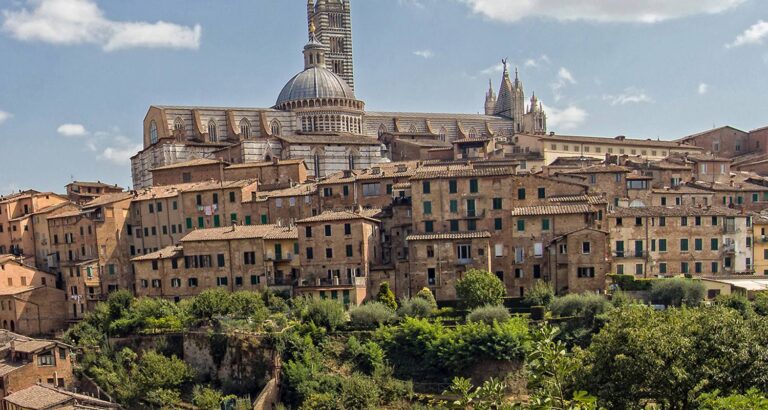
Florence, Siena and Pisa: the guided Tuscan cities
- 8 days
- Escorted
Huit jours guidés au départ de Montecatini vers Florence, Sienne, Pise, Lucques et San Gimignano, avec Uffizi pré-réservé et déjeuner dans une fattoria

Florence, Siena and San Gimignano in 4 days
- 4 days
- Escorted
Quatre jours à Florence avec visite guidée gourmande, Sienne et San Gimignano, plus un déjeuner chez un domaine viticole familial

Florence, Siena and San Gimignano as a group
- 4 days
- Escorted
Quatre jours entre Florence, San Gimignano, Monteriggioni et Sienne, avec Uffizi, Duomo, masterclass pâtes et déjeuner chez un vigneron du Chianti

Florence, Siena and Tuscan villages as a guided group
- 5 days
- Escorted
Cinq jours guidés de Florence à San Gimignano via Sienne, Cortona et Montepulciano, avec dégustations chez des vignerons du Chianti et cours de cuisine

Florence, Siena, Chianti and Pisa: 4 guided days
- 4 days
- Escorted
Quatre jours guidés de Florence à Sienne via Pise, San Gimignano et le Chianti, avec deux dégustations en cave et un déjeuner vigneron

Florence, Siena, Cortona, Montepulciano in 3 stars
- 5 days
- Escorted
Cinq jours de Florence à San Gimignano avec Sienne, Cortona, Montepulciano et le Chianti, dégustations chez des producteurs et cours de cuisine inclus

Florence, Siena, Pisa, Lucca: guided Tuscany as a group
- 8 days
- Escorted
Huit jours basés à Montecatini Terme avec visites incluses de San Gimignano, Florence, Pise et Sienne, plus une dégustation en fattoria

Florence, Siena, San Gimignano: 4-day guided tour
- 4 days
- Escorted
Quatre jours entre Florence, Sienne et San Gimignano avec food tour, tour guidé et déjeuner chez un domaine viticole familial
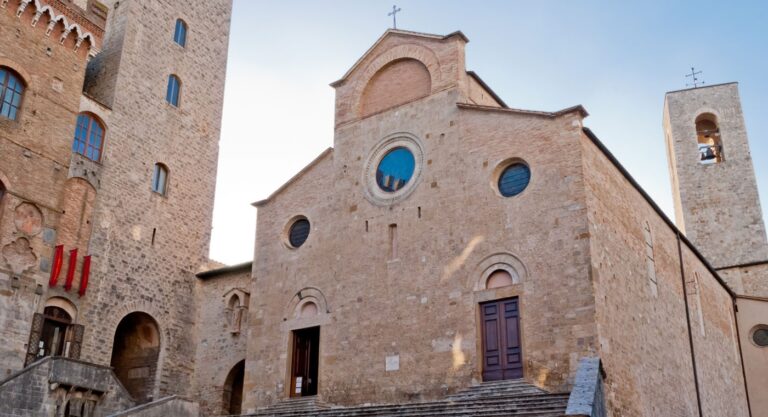


Elba Island on foot: 7 days of self-guided hiking
- 7 days
- Independent
- Hébergement inclus
Trek en liberté de 7 jours sur l'île d'Elbe, 5 jours de marche entre Portoferraio, Capoliveri, Porto Azzurro et Rio nell'Elba, hébergement inclus

Gourmet Italy: from Rome to Florence via Pienza and Montepulciano
- 9 jours
- Escorted
Circuit de neuf jours de Rome à Venise avec dégustations d'huile, de chocolat, de pecorino et de vin, cours de cuisine et gondole inclus

Italy in grand style: Rome, Florence, Venice
- 8 days
- Escorted
Huit jours en train entre Rome, Florence, Pise et Venise, avec Colosseum, Forum, tour de Pise et gondole inclus


Lucca to Florence by bike via Pisa and Siena
- 8 days
- Escorted
Huit jours à vélo de Lucques à Florence via Pise, Vinci, Colle di Val d'Elsa et Sienne, avec visites incluses nommées et dîners de groupe

Lucca and Siena guided, 8 days in Tuscany
- 8 days
- Escorted
Huit jours guidés entre Lucques, Pise, Sienne, le Chianti et Florence, avec entrées aux Uffizi, à l'Accademia et dégustation chez un vigneron

Montecatini and Vinci: gourmet pleasures and thermal relaxation
- 4 days
Quatre jours basés à Montecatini Terme avec dégustation dans une ferme toscane et visite de Vinci sur les traces de Léonard

Montecatini Terme: relaxation and Tuscan flavors
- 4 days
Quatre jours à Montecatini Terme en hôtel 4 étoiles, avec accès spa, funiculaire vers Montecatini Alto et déjeuner-dégustation dans une ferme traditionnelle

Montecatini, Florence and Lucca: 10 days in guided Tuscany
- 10 days
- Escorted
Dix jours guidés de Montecatini à Sienne, avec Offices, Volterra étrusque, Pienza, Sant'Antimo et une halte en fattoria dans le Chianti

Montecatini, Florence and Siena on a guided tour
- 8 days
- Escorted
Circuit guidé de 8 jours basé à Montecatini, avec visites de Florence, Sienne, San Gimignano, Lucques et Pise, et une excursion optionnelle aux Cinque Terre

Montecatini, Pisa and San Gimignano by bike self-guided
- 8 days
- Independent
Huit jours à vélo au départ de Montecatini, avec oliveraies, vignobles, Pise, San Gimignano, Vinci et les remparts de Lucques

Montecatini, Siena, Pisa, Florence by bike self-guided
- 8 days
- Independent
Huit jours à vélo en liberté de Montecatini à Florence, avec campagne, vignobles du Chianti et villages comme Monteriggioni et Greve

Montepulciano and Val d'Orcia guided bike tour
- 10 days
- Escorted
Dix jours guidés à vélo électrique entre Montepulciano, Pienza et le Val d'Orcia, avec truffe, cours de cuisine et dégustations chez Salcheto, Capitoni et Canneto


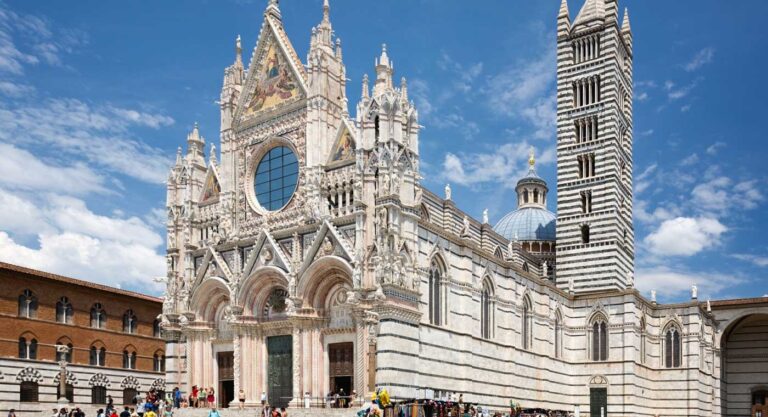

Piccolomini Palace Pienza
- Escorted
Visite guidée du Palais Piccolomini à Pienza, avec cour, jardin suspendu, chambres meublées et panorama sur le Val d'Orcia, pour 16 € par personne

Palazzo Vecchio: tour of the secret passages
- une heure et dix minutes
- Escorted
Visite guidée des passages secrets du Palazzo Vecchio à Florence, avec escaliers cachés, chambres secrètes et accès libre au musée après l'activité
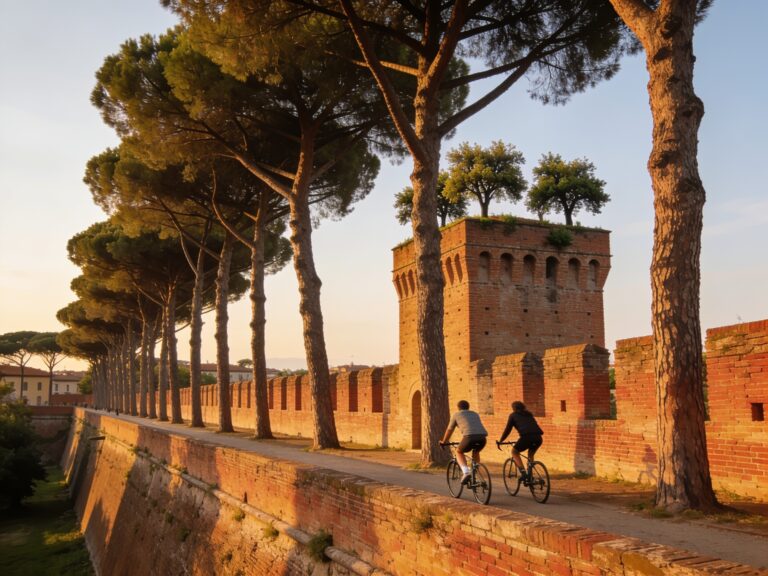
Pisa to Florence by bike: Lucca, Collodi, Montecatini guided
- 5 days
- Escorted
Cinq jours de vélo guidé de Pise à Florence par Lucques, Collodi, Pescia et Montecatini, avec deux tracés au choix

Pisa to Florence by bike: Siena, Chianti, San Gimignano
- 7 days
- Independent
Un itinéraire à vélo de Pise à Florence en sept jours, passant par San Gimignano, Sienne et le Chianti, avec visite d'une winery et d'une chocolaterie

Pisa to Elba by bike: Maremma, Scansano, Orbetello guided
- 8 days
- Escorted
Un circuit à vélo électrique de Pise à l'Elbe en 8 jours, avec dégustation de Morellino, Parc de la Maremme, Monte Argentario et dîners en agriturismo

Pisa-Florence by bike: Tuscany in 7 days
- 7 days
- Independent
Un itinéraire à vélo de Pise à Florence par Lucques, Montecatini, Vinci et Pistoia, avec campagne, villages et musée Léonard

Pisa, Lucca, Marina di Cecina: train and beaches
- 3 days
Trois jours à Pise avec dîners d'accueil et final, et des excursions en train vers Lucques ou la plage de Marina di Cecina

Pisa, Siena and San Gimignano by bike in 5 days
- 5 days
- Independent
Cinq jours de vélo en autonomie de Pise à Sienne par la Via Francigena, avec vignoble Castellani, chocolaterie Amedei et villages médiévaux

Radda, Greve and Siena by bike: cycling tour
- 6 jours
- Escorted
Six jours de vélo sur les Strade Bianche entre Radda, Greve et Sienne, avec dégustation, visites de villages et participation à la Gran Fondo

Hiking: from Florence to Chianti and San Gimignano
- 8 days
- Independent
Trek de 8 jours de Florence au littoral toscan, avec randonnées dans le Chianti, dégustation de vin et Via del Sale
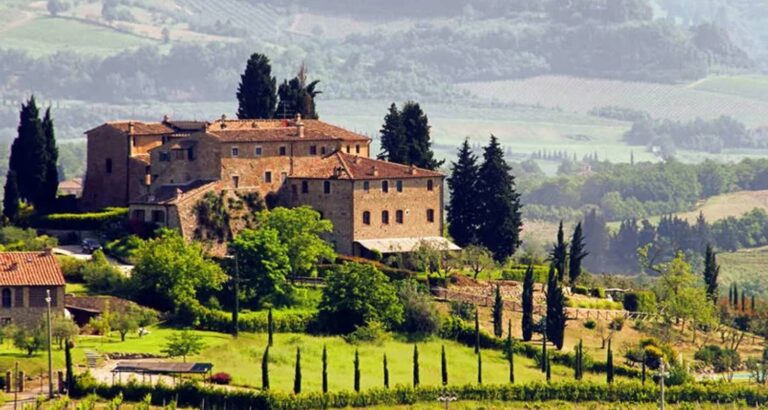
Chianti Hiking: Pisa, San Gimignano, Siena
- 8 days
- Escorted
Huit jours de marche entre Pise, San Gimignano, le Chianti, Pienza et Montalcino, avec dégustations chez des vignerons et sentiers de la Via Francigena

Hiking from Cortona to Montepulciano, Siena and Rapolano Terme
- 8 days
- Escorted
Trek guidé de 8 jours entre Cortone, Montepulciano, Sienne et les thermes de Rapolano, avec sentiers, abbayes et Crete Senesi

Hiking from Florence to Chiusi della Verna
- 2 days
- Escorted
Trek encadré de deux jours reliant Florence à Chiusi della Verna, sur les pas de Saint-François, entre spiritualité et paysages toscans

Hiking from Florence to the Val d'Orcia, via Siena
- 7 days
- Independent
Trek en autonomie de Florence au Val d'Orcia en 7 jours, avec randonnées incluses dans le Chianti et vers Pienza, Monticchiello et Montepulciano

Hiking from Lucca to Siena, via San Gimignano, 8 days
- 8 days
- Escorted
Trek guidé de huit jours sur la Via Francigena, de Lucques à Sienne, avec San Miniato, Gambassi Terme, San Gimignano et Monteriggioni

Hiking in Garfagnana and the Cinque Terre, from Castelnuovo
- 8 days
- Escorted
Trek guidé de 8 jours au départ de Castelnuovo di Garfagnana, avec quatre randonnées dans l'Orecchiella, le Monte Sumbra et le Monte Forato et deux journées libres vers Lucques, Pise ou les Cinque Terre

Hiking between Chianciano Terme, Val d'Orcia and Pienza
- 8 days
- Independent
Trek en autonomie de 8 jours basé à Chianciano Terme, avec marches vers Montepulciano, Pienza, Bagno Vignoni et le lac de Chiusi, dîners à l'agriturismo et dégustation vin et huile
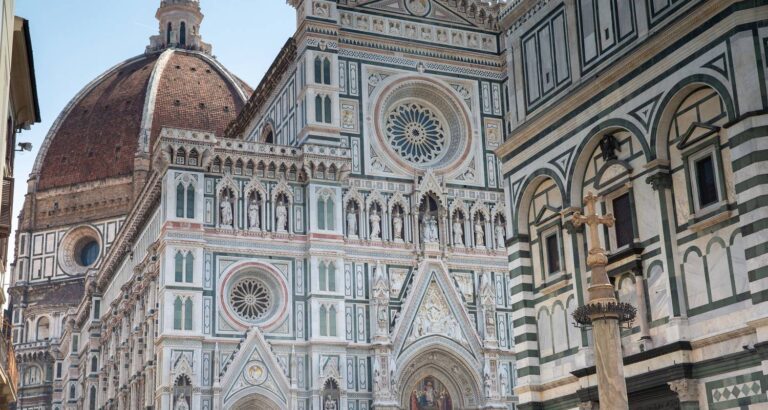
Guided hike: from Florence to Siena and Chianti
- 10 days
- Escorted
Trek guidé de Florence à Rome en 10 jours, avec Via Francigena, villages du Chianti, dégustations et cours de cuisine

Guided hike: Florence, Chianti, San Gimignano, Volterra
- 8 days
- Escorted
Huit jours de marche guidée entre Florence, le Chianti, Sienne, San Gimignano et Volterra, avec des étapes de 10 à 16 km sur sentiers et via Romea

Guided hike: Montepulciano, Pienza, Montalcino, Siena
- 8 days
- Escorted
Trek guidé de huit jours dans le Val d'Orcia, de Montepulciano à Sienne, avec randonnées quotidiennes, Sant'Antimo et Monte Oliveto Maggiore

Guided hike: San Gimignano, Siena, Chianti, Pienza, Montepulciano
- 8 days
- Escorted
Trek guidé de 8 jours entre San Gimignano, le Chianti, Sienne, Pienza et Montepulciano, avec dégustations, cours de cuisine et nuitées groupées

7-day guided hike: Florence, Chianti, Siena in a group
- 7 days
- Escorted
- Hébergement inclus
Trek guidé de 7 jours en petit groupe de Florence à Sienne, via Mercatale, Greve, Radda et Montefioralle, dans les collines viticoles du Chianti
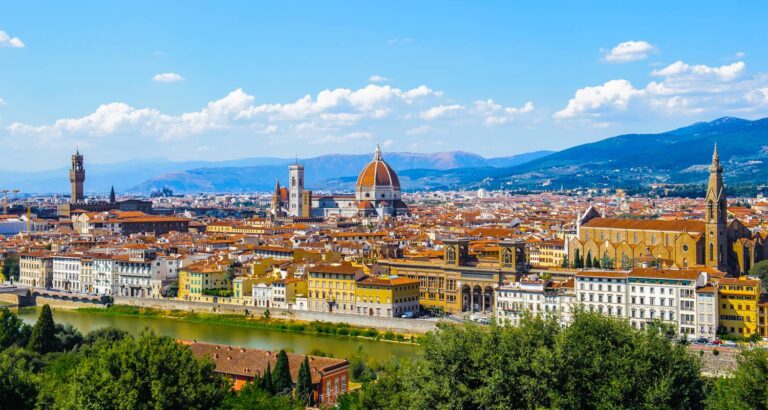
Guided hike from Florence to Siena, via Chianti and Fiesole
- 8 days
- Escorted
Trek guidé de Florence à Sienne par Fiesole, Greve, Panzano et Radda, avec dégustations de Chianti et villages médiévaux

Guided hike from Pisa to Elba Island, 8 days
- 8 days
- Escorted
Trek guidé de Pise à l'île d'Elbe en 8 jours, alternant sentiers des Monts Pisanes, pineta di Cecina, golfe de Baratti et ascension du Monte Croce

Guided hike in Chianti, from Greve to Gaiole in 5 days
- 5 days
- Escorted
Trek guidé de 5 jours dans le Chianti, de Greve à Gaiole, avec randonnées entre villages et vignobles, visite du Castello di Brolio et dégustation de Chianti Classico

Via Francigena hike: Siena to the Val d'Orcia, 7 days
- 7 days
- Independent
- Hébergement inclus
Trek en autonomie de 7 jours sur la Via Francigena, de Sienne à Montepulciano par le Val d'Orcia UNESCO, hébergement réservé et traces GPX fournies

Hikes in Tuscany and Chianti wines
- 8 days
- Escorted
Trek de 8 jours entre Via Francigena et Chianti Classico, avec dégustations chez Pietralta et Cesani et visite guidée de Sienne
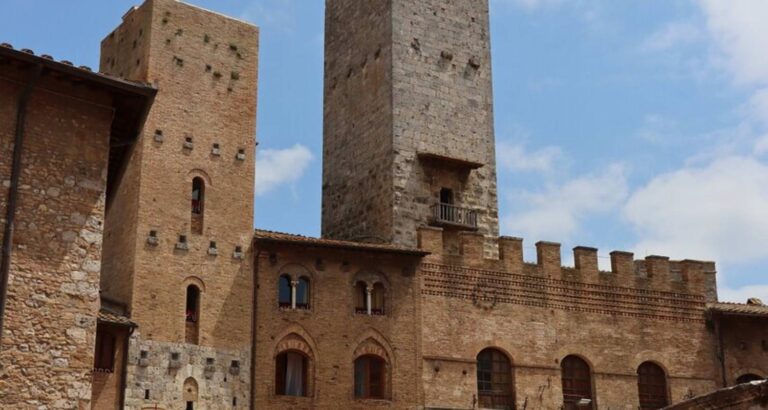
Rome to Florence: vineyards and hilltop villages, 9 days
- 9 jours
- Escorted
Circuit de 9 jours de Rome à Florence mêlant Ombrie et Toscane : Civita di Bagnoregio, Montefalco, San Gimignano, Montalcino, Pienza, avec dégustations et producteurs locaux

Rome to Pienza: villages of the Val d'Orcia, 10 guided days
- 10 days
- Escorted
Dix jours guidés de Rome à Sienne par Orvieto, Pienza, Volterra et Pitigliano, avec dégustations de Vino Nobile et de pecorino et arrêt aux Cascate del Mulino

Rome, Florence and Pisa: the guided Tuscan capitals
- 9 jours
- Escorted
Neuf jours guidés de Rome à Montecatini avec Florence, Pise, Vinci, Sienne et San Gimignano, plus cours de cuisine et repas à l'agriturismo
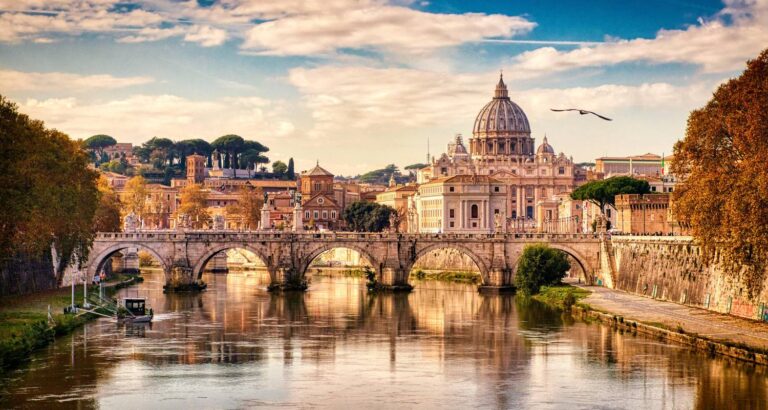
Rome, Florence and Siena by guided train, 9 days
- 9 jours
- Escorted
Train à grande vitesse entre Rome, Florence et Venise, avec Vatican, Colisée, Sienne, Chianti et San Gimignano inclus, hôtels 4* et déjeuner chez un vigneron

Rome, Florence and Venice: guided train journey
- 10 days
- Escorted
Circuit guidé de 10 jours en train reliant Rome, Florence, Venise, avec Sienne, San Gimignano et Pise, entrées et dégustations incluses

Rome, Florence, Milan: Italy in 8 days
- 8 days
- Escorted
Huit jours de Rome à Milan avec Colisée, Vatican, Sienne, San Gimignano, Pise et château Sforza, dégustations toscanes incluses

Rome, Florence, Pisa and Siena in a guided group
- 10 days
- Escorted
Circuit guidé de 10 jours reliant Rome, Pise, Sienne, San Gimignano, Florence et Venise, avec dégustation au Chianti

Rome, Florence, Siena and San Gimignano in 6 guided days
- 6 jours
- Escorted
Six jours guidés de Rome à Florence avec Colisée, Forum, Pise, Sienne et San Gimignano, plus un déjeuner en winery du Chianti et un cours de pizza

Rome, Florence, Venice: Italy in 8 days
- 8 days
- Escorted
Huit jours reliant Rome, Florence, Sienne, San Gimignano, Pise et Venise, avec visites et dégustations nommées chaque jour

Rome, Florence, Venice and Tuscany in a guided group
- 8 days
- Escorted
Circuit guidé de 8 jours en petits groupes reliant Rome, Pompéi, Florence, Sienne, San Gimignano et Venise, avec entrées coupe-file et hôtels 4*

Rome, Siena and Florence: 7 days in a guided group
- 7 days
- Escorted
Circuit guidé de 7 jours entre Rome, Sienne, Florence, Pise, Lucques et Montalcino, avec déjeuner chez Casale Polegri et dégustations dans le Chianti

Rome, Siena and Venice by guided train: 7 days
- 7 days
- Escorted
Un parcours guidé de 7 jours en train entre Rome, la Toscane et Venise, avec Vatican, Sienne, San Gimignano et dégustation chez un vigneron du Chianti

Rome, Siena, Florence, Cinque Terre: 6-day guided Grand Tour
- 6 jours
- Escorted
Six jours reliant Rome, Sienne, Florence, les Cinque Terre, Pise, Volterra et le Val d'Orcia, avec visite de vignoble et guide anglophone

Rome, Vatican and Tuscany in a guided 5* hotel
- 9 jours
- Escorted
Circuit guidé de 9 jours en hôtels 5* entre Rome, le Vatican, la Toscane, Florence et Venise, avec visites majeures et dégustations viticoles incluses

San Gimignano and Siena: tastings in Chianti
- 3 days
Trois jours entre San Gimignano et les collines du Chianti, avec une sortie de 5 heures chez 3 domaines viticoles et des dégustations de vin et d'huile d'olive


5-day stay in Florence with car rental
- 5 days
Séjour de 5 jours à Florence avec transferts aéroport, petits-déjeuners et un déjeuner toscan à Oltrarno inclus

Tuscan villa stay: Florence, Siena, San Gimignano
- 6 jours
Séjour de six jours en villa historique à Figline Valdarno, avec cours de cuisine, pizza, dégustation de vin à San Gimignano et excursion privée à Sienne

Independent stay in Rome, Florence and Venice
- 8 days
- Independent
Huit jours en autonomie entre Rome, Florence, San Gimignano et Venise, avec visites guidées incluses et escapade vigneronne

Italian stay with the Leaning Tower of Pisa
- 10 days
- Escorted
Dix jours de Rome à Venise avec visites guidées incluses du Colisée, de Sienne, de San Gimignano et du Palais des Doges, plus une dégustation en Chianti

Siena and wine
- 4 days
- Escorted
Quatre jours depuis Sienne entre Chianti, Monteriggioni, San Gimignano et Montalcino, avec dégustations de Brunello, Vernaccia et Supertuscans et dîner en ferme bio

Siena and its history
- 4 days
- Escorted
Quatre jours entre Sienne, le Val d'Orcia, Pienza, Montepulciano, Monteriggioni, San Gimignano et Volterra, avec fermes, dégustations et artisans

Siena, Pienza and Montalcino: tour, 7 days
- 7 days
- Escorted
Circuit cycliste de 7 jours entre Chianti, Sienne, Crete Senesi, Pienza et Montalcino, avec dégustation en vignoble et repas inclus

Siena, Val d'Orcia and Pienza: 7 days of hiking
- 7 days
- Escorted
- Hébergement inclus
Trek accompagné de 7 jours entre Montepulciano et Sienne, avec 6 jours de marche dans le Val d'Orcia UNESCO et des étapes à Pienza et Bagno Vignoni

Spa and thermal caves of Montecatini from Florence
- 3 days
Séjour de 3 jours entre Florence et Montecatini Terme, avec spa thermal et grottes de Grotta Giusti, en hôtels 4*

Tuscany: Florence, Pisa and the Cinque Terre
- 4 days
- Escorted
Quatre jours entre Florence, le Chianti et San Gimignano, avec tuk-tuk, dîner chez un vigneron et cours de cuisine en ferme
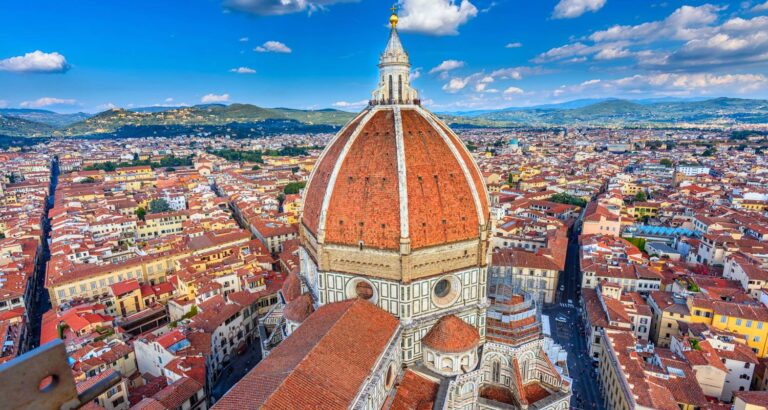
Tuscany: Florence, Pisa and medieval villages
- 8 days
- Escorted
Huit jours guidés entre Florence, Pise, Sienne, Lucques, Volterra et San Gimignano, avec dégustation et dîner dans un vignoble

Tuscany: Florence, Siena and medieval villages
- 10 days
- Escorted
Circuit guidé de 10 jours en Toscane reliant Florence, Pise, Lucques, Sienne, Volterra et San Gimignano, avec dégustation dans un vignoble et abbaye de Monte Oliveto Maggiore

Tuscany: Montecatini, Florence, Siena and Pisa
- 8 days
Séjour de 8 jours basé à Montecatini Terme, avec Florence, Pise, dégustation de quatre vins et visite d'un moulin à huile

Tuscany by bike: Florence, Vinci, Pisa
- 8 days
- Escorted
Huit jours à vélo guidé de Florence à Pise via San Miniato, Vinci et Lucques, avec repas locaux et véhicule d'assistance

Tuscany by bike: Val d'Orcia, Pienza, Montepulciano
- 8 days
- Independent
Huit jours à vélo en liberté entre Chianciano Terme, Montepulciano, Pienza et Bagno Vignoni, avec dîners maison à l'agriturismo La Pietriccia et dégustation d'huile

Tuscany Self-Drive Tour: Florence, Siena, Pisa
- 8 days
- Independent
Autotour de 8 jours de Florence à Pise via San Gimignano, Volterra, Sienne et Lucca, avec de nombreuses visites incluses et une dégustation de vin

Guided Tuscany: from San Gimignano to Siena and Chianti
- 8 days
- Escorted
Huit jours guidés entre San Gimignano, Sienne, le Chianti et Volterra, avec dégustations chez deux domaines, cours de pâtes et tour des buchette del vino à Florence
Guided Tuscany: Florence, Pisa, Montecatini and the island of Elba, 8 days
- 8 jours/7nuits
- Escorted
- Hébergement inclus
Huit jours entre Florence, Sienne, Lucques, l'île d'Elbe et les Cinque Terre, avec déjeuners en ferme et visites guidées nommées
 Ovoyages

Guided Tuscany: Pisa, Siena, Chianti and Val d'Orcia
- 8 days
- Escorted
Huit jours de Pise à Sienne avec villages perchés, fermes, dégustations et cours de cuisine, en hôtels 3*

Guided Tuscany: Pisa, Siena, San Gimignano, Florence
- 6 jours
- Escorted
Circuit guidé de 6 jours à Pise, Sienne, San Gimignano, Florence et Lucca, avec cinq nuits au même hôtel San Tommaso à Pise et des transferts organisés

Guided trek from Florence to Chianti and Siena
- 8 days
- Escorted
Trek guidé de 8 jours reliant Florence à Cécina par les sentiers du Chianti, avec dégustation de vin et traversée de la réserve de Monte Nero

A weekend in Florence
- 4 days
Un week-end de quatre jours à Florence, même hébergement chaque nuit, entre Duomo, Ponte Vecchio et Piazzale Michelangelo

Val d'Orcia by bike: from Cortona to Siena
- 8 days
- Independent
Huit jours de vélo en autonomie de Cortone à Sienne, traversant le lac Trasimène, Pienza, Montalcino et le Val d'Orcia

Venice to Rome by train: 8 guided days
- 8 days
- Escorted
Huit jours guidés de Venise à Rome en train, avec ateliers (masques, pâtes, école de gladiateurs) et visites incluses nommées chaque jour

Classic guided tour of Siena
- 2 hours
- Escorted
Visite guidée de deux heures à Sienne, du 1er avril au 1er novembre, à 14 € avec entrée de la cathédrale incluse et gratuité pour les moins de 12 ans

Guided tour of Siena Cathedral
- Escorted
Visite guidée privée de 60 minutes de la cathédrale de Sienne, avec billet d'entrée inclus, œuvres de Michel-Ange, Donatello et fresques de Pinturicchio
Southern Tuscany is not limited to postcard clichés: it is a land of Maremma where Etruscan trails and tuff cities set their own rhythm. You often end up wasting precious time managing the logistics of winding roads or desperately searching for an authentic agriturismo among standardized offers.
Choosing an organized Tuscan tour allows you to combine the freedom of a self-drive tour with the expertise of a local guide so you don't miss any of the gems of Grosseto. I'll help you compare platforms like Atalante or Touradar to find the trip that truly matches your desire for off-the-beaten-path experiences.
Choosing an organized tour in Tuscany: the three winning options

Southern Tuscany is explored via three modes: the self-drive tour for freedom, guided hiking in the Etruscan Vie Cave, or the escorted tour for total cultural comfort. Each option favors immersion in Maremma.
To help you decide, here is a quick comparison of the available approaches for exploring this wild land.
If you crave independence, you should look at the route for piloting your own trip.
The self-drive tour for total freedom in the tuff villages
The self-drive tour is based on a simple principle. You receive a detailed roadbook. Yet, you remain the only master on board of your rental vehicle.
You enjoy real flexibility in Pitigliano and Sorano. You stop whenever you want for a photo. The unexpected then becomes your best travel memories.
Make the most of your detours in Maremma. You'll discover back roads inaccessible to buses. That's the true definition of tours and self-drive trips in Tuscany.
But if you prefer to feel the earth beneath your feet, the Etruscan land is best discovered on foot.
Group hiking to walk the Etruscan land
Walk between giant tufa walls in the Vie Cave. It's an intense physical experience in the heart of Grosseto. The silence of the wild nature envelops you completely. You glide between dizzying canyons.
A naturalist guide accompanies you everywhere. You never risk getting lost in the forest. The safety of the group is ensured throughout the entire route.
You tread unmarked trails. The Etruscan necropolises finally reveal themselves to you. Use this guide to the tuff towns to find your way.
For those who want to learn without worrying about technical details, there is a more serene option.
The guided tour for comfort and cultural expertise
The logistics here are flawless. Everything is managed from Rome or Pisa. You no longer worry about luggage or complex reservations.
A French-speaking guide deciphers for you the mysteries of Etruscan history. Their knowledge turns every visit into a fascinating lesson. It's an immense gain in knowledge.
Transfers are optimized to the maximum. You only enjoy the best selected local restaurants.
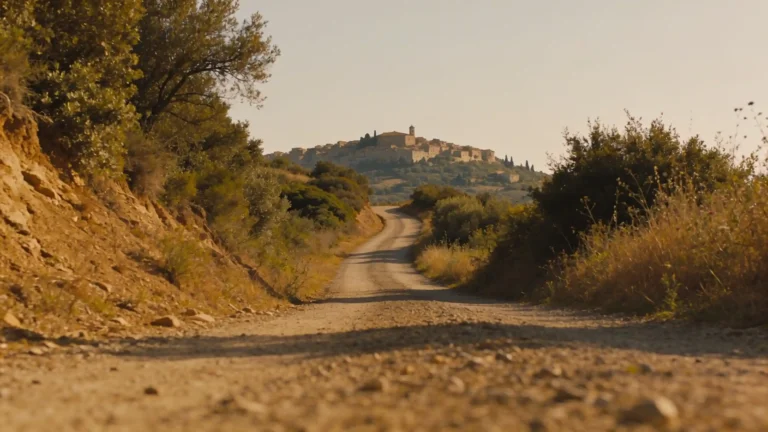
Which platform to choose for your adventure in wild Tuscany?

After choosing your mode of transport, you now need to find the right intermediary to book your stay with complete confidence.
Atalante and Touradar for immersion and off-the-beaten-path
Atalante focuses on small groups of 6 to 15 people. It's perfect if you're fleeing the usual mass tourism. Their tours favor the less-traveled trails of the south.
Some walks in Maremma require stamina. The elevation gain can reach 600 meters in a single day. Check the elevation gains carefully before confirming your final registration.
Slow tourism is an absolute priority here. The programs leave room for contemplation.
Weekendinitaly and Leclerc Voyages for classic logistics
Their French-speaking support is often very reassuring. It's a safe choice for less experienced travelers. You benefit from structured assistance for your itinerary.
Packages often include direct flights. The accommodations, however, remain more standardized and less typical. The value for money is often competitive on paper.
Authenticity can sometimes take a back seat. Personalization remains limited.
Selection criteria to avoid tourist traps
Keep an eye on reviews from previous customers. Look carefully at the actual time spent on the road. Don't be seduced by retouched photos.
Check the «from» prices», actual travel times and specific inclusions such as meals, site entrance fees and flights.
Check the actual contract inclusions. Are wine tastings really included? Entrance fees to major sites must be included.
Demand responsive local support. The unexpected happens quickly on a touring trip.
- Check customer reviews
- Check travel times of the journey
- Validate meal inclusions
- Confirm the support 24/7
Sleep in the real thing: why agritourism beats the classic hotel
The success of your tour also depends on where you set down your suitcases each evening to rest.
The experience of family estates versus impersonal chains
Choosing agricultural immersion changes everything. You eat products straight from the farm. The flavor of local pecorino has no supermarket equivalent.
A starred stay lets you truly unwind. You take the time to chat with your hosts. Fast-paced travel often tires curious travelers. It's the’perfect alternative between Agriturismo or camping in Maremma.
You value contact with producers. You learn the secrets of olive oil. It's a sincere human sharing.
Forget cold hotel lobbies. Here, you're part of the Tuscan family.
Agriturismos · Saturnia
Our favorite agriturismos around Saturnia
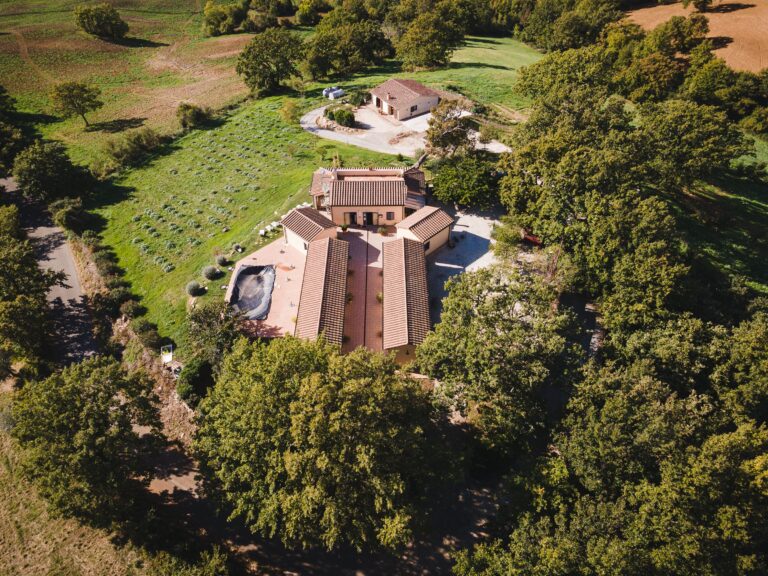
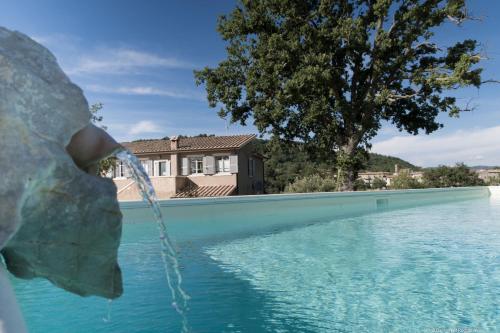
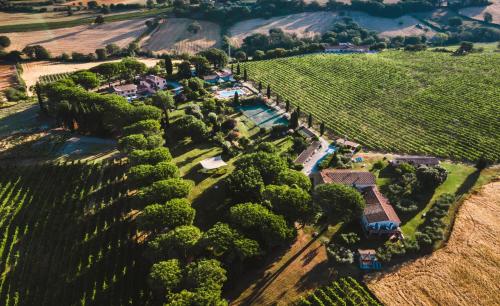
Field tips to make your itinerary a success away from the crowds

To finish, let me give you a few practical tips so that your trip is a total success.
Seasonality and time management in Southern Tuscany
Prefer spring or autumn. The heat of Maremma can be stifling in summer. Tourist crowds are also much smaller.
Limit the number of villages you visit. Don't try to see everything in one day. Savor every moment on the village square.
Choose spring or autumn to avoid Maremma's oppressive heat. Don't miss Saturnia's free hot springs at dawn for absolute tranquility.
Plan your route by geographic area. This considerably reduces unnecessary miles. You'll spend less time in your vehicle while exploring these authentic itineraries and villages.
Slow tourism requires discipline. Learn to slow down your pace usual.
Customization and local activities off the catalog
Add traditional cooking classes. Learn to make fresh pasta with the nonna. It's a souvenir you'll bring back home.
Taste the wines of Sovana. Don't miss the thermal baths of Saturnia. These natural springs are free and absolutely magical.
A car is essential in Southern Tuscany. Buses are rare between the tuf villages and the remote areas of the Maremma.
A car is essential in the south. Buses are rare in remote areas. Discover here How to get to Maremma to prepare for your arrival.
Customize your itinerary according to your wishes. Don't hesitate to go off the beaten track.
To choose your organized tour in Tuscany, favor the self-drive tour for freedom, hiking for wild immersion or the guided tour for logistical comfort. Compare Atalante for off-the-beaten-path and Weekendinitaly for safety, then book quickly to guarantee your agritourism immersion. Your future authentic adventure between tuf villages and vineyards is waiting for you.
Restaurants · Pitigliano
Our favorite tables around Pitigliano
To get to the island of Giglio in July, your only departure point from the Argentario is Porto Santo Stefano. It's from there that all the ferries depart, and they arrive exclusively at Giglio Porto, the island's only commercial maritime port. The crossing takes about an hour, which is perfect for admiring the scenery of the Tuscan archipelago. Two main companies, Toremar and MareGiglio, and provide connections with coordinated schedules to offer a regular service. In high season, as in July, the frequency of departures is very high, often every hour from 7:00 a.m. to 7:30 p.m..
Regarding the cost, in July, which is considered high season, you can expect a fare of around €16.00 per trip for an adult, i.e. €32.00 for a round trip. To this is added a disembarkation tax of €3.00 per person (applicable from April to October). The total cost for a round trip in July will therefore be approximately €35.00 per person. It is strongly recommended to book your tickets online in advance, especially in July, to guarantee your spot and avoid the ferries being full. Don't forget to arrive at the terminal, located Piazzale Candi 8 in Porto Santo Stefano, about 30 minutes before departure for check-in. If you are traveling by car, note that boarding for non-resident vehicles is heavily regulated in high season; the best option is to leave your car in Porto Santo Stefano and travel as a foot passenger. The parking lot Fanciulli offers daily rates of around 10-15 €, with booking recommended in high season. For more details on transportation and organizing your day, I invite you to check out our complete guide on getting to Giglio Island from Argentario.
Absolutely! If you are looking for an authentic and unusual experience on Giglio Island, away from the hustle and bustle of the main villages, I recommend turning to the island's historic lighthouses. It is an accommodation option that offers total immersion in nature and incomparable tranquility. In the south of the island, the Capel Rosso Lighthouse offers, for example, only two rooms, guaranteeing complete isolation and a breathtaking view of the sea. Imagine waking up to the sound of the waves and a breathtaking Mediterranean panorama. It is a true disconnection from the world. For a slightly different but equally charming option, the Punta Fenaio Lighthouse, located in the north of the island, operates as a Bed & Breakfast with seven rooms and even a restaurant. It is an excellent alternative for those who appreciate the comfort of a service while enjoying a unique and historic setting.
These lighthouses are places steeped in history and offer a different perspective of the island, off the beaten track. They are perfect for a stay of one or two nights, allowing you to fully recharge. To get around the island from these somewhat more remote places, the Tiemme public transport network is efficient and affordable, regularly connecting the three villages (Giglio Porto, Giglio Castello, Giglio Campese). Shared taxis are also a flexible alternative. Be sure to book well in advance, especially in high season, as these unusual accommodations are highly sought after. To make the most of your stay and discover all facets of the island, feel free to check out our suggestion for a’3-day itinerary on Giglio Island, which includes hiking and snorkeling suggestions.
For hiking enthusiasts, the island of Giglio is a true paradise, offering a very complete network of about 50 to 60 kilometers of marked trails. These paths are mostly former mule tracks that historically connected the three villages and the various coves of the island. The best time to go hiking is undoubtedly the spring (April-May) ou l’autumn (September-October). During these periods, temperatures are ideal, ranging between 15 and 25°C, which makes the effort much more pleasant and allows you to fully enjoy the scenery. In addition, you will avoid the summer crowds and can admire the lush flora in spring or the warm colors of autumn. In summer, the heat can be very grueling, making some climbs difficult.
The summit not to be missed for the ultimate view is the Poggio della Pagana. It peaks between 498 and 500 meters above sea level and represents the highest point of the island. The ascent takes place in the heart of a dense and fragrant Mediterranean scrubland, and once at the top, the 360° panorama is absolutely spectacular. You will be able to take in the entire Tuscan archipelago with a single glance. You can start from Giglio Castello for a more traditional approach, or from Giglio Campese. The hike generally takes between 2 and 3 hours round trip, depending on your starting point and your pace. Plan on good hiking shoes, enough water and, if you wish, a picnic to enjoy the panorama at the summit. Keep in mind that the island is very poorly served by public transport, so a car is highly recommended for exploring the Maremma in general, but on the island of Giglio, the local bus network is sufficient to connect the villages and the trailheads.
For a first visit to the Maremma, if you are looking for authenticity and want to avoid the crowds, I would direct you without hesitation to the agriturismos. These are restored farmhouses that offer rooms or apartments, often with a pool, and where you can taste local products, or even take part in farming activities. The agriturismo is the very essence of Tuscan rural hospitality and offers a deep immersion in the local way of life. They are generally located in the heart of the hills, away from the main tourist routes, which guarantees absolute tranquility and breathtaking scenery. It is the ideal option to taste the flavors of the Maremma and enjoy the surrounding nature. You will find many agriturismos in the countryside, notably around the tuff villages such as Pitigliano, Sorano or Sovana, which are part of Etruscan Tuscany and are magnificent places to explore.
Another option that I am particularly fond of for its authentic character is the rental of villas or characterful apartments, often tastefully restored, in lesser-known medieval villages. This allows you to live at the locals' pace and enjoy greater independence. The Maremma is full of these hidden gems, places where time seems to have stood still. Whether you choose an agriturismo or a villa, the important thing is to favor accommodations that highlight local products and local culture. Don't forget that a car is highly recommended for exploring the Maremma, as public transport is very limited, especially if you want to access the natural hot springs or the wild beaches of the Parco della Maremma. By choosing this type of accommodation, you ensure a memorable experience away from the usual crowds of Tuscany.
For a total immersion in Etruscan culture and the discovery of off-the-beaten-path archaeological sites in the Maremma, I recommend heading to the area known as Etruscan Tuscany. This region is a true treasure, concentrating tuff villages carved into volcanic rock and ancient necropolises that will transport you back millennia. The three iconic villages not to be missed are Pitigliano, Sorano and Sovana. These medieval towns, perched on rocky outcrops, offer spectacular panoramas and house Etruscan remains directly integrated into the urban fabric.
Near these villages, you will discover Vie Cave, these paths carved into the rock by the Etruscans more than 2500 years ago. They are deep and mysterious trails, sometimes lined with rock-cut tombs, offering a unique and fascinating hiking experience. The Via Cava of San Giuseppe near Pitigliano, or those around Sovana, are particularly impressive. In Sovana, you can explore the Etruscan necropolis with monumental tombs such as the Ildebranda Tomb. These places are often deserted, allowing you to soak up the ancient atmosphere in complete tranquility. A car is essential to access these sites, as they are very poorly served by public transport and often hidden in the heart of the countryside. It is a unique opportunity to walk in the footsteps of an ancient civilization in a natural and unspoiled setting.
Absolutely! The Maremma is an incredibly rich and diverse region, and combining wild nature, sea and Etruscan heritage in one week is entirely feasible. It is even ideal for discovering all the facets of this authentic Tuscany. For this, I recommend dividing your stay between two main areas: the Etruscan Tuscany for the heritage and part of the Côte d’Argento or the Parco della Maremma for nature and the sea. A car is absolutely essential for this type of itinerary, as the Maremma is a rural area very poorly served by public transport, and it is the only way to access the hilltop villages, the isolated beaches and the wild hot springs.
You could start with the Etruscan Tuscany, devoting 3 to 4 days to exploring the tuff villages such as Pitigliano, Sorano and Sovana, and their fascinating Vie Cave. This will immerse you in the ancient history of the region. Then, head to the coast for the remaining 3 to 4 days. You could choose to stay in the region of the ’Argentario, with its charming villages such as Porto Santo Stefano or Porto Ercole, and enjoy the beaches, the coves, or even rent a boat to explore the coast. The Parco della Maremma is another excellent option for wild nature, with its pristine beaches and hiking trails. Don't forget to include a visit to the wild hot springs, such as the Cascate del Mulino in Saturnia, for a unique moment of relaxation. For a tailor-made itinerary, many services offer to analyze your traveler profile and select coherent stops, day by day, with practical advice and direct booking links. It's an excellent way to miss nothing of this incredible region.