










Are you looking for a wild place far from the crowds of Pitigliano? With its 200 caves carved into the tuff, this medieval site abandoned in 1783 remains one of the best-kept secrets in the province of Grosseto.
Discover how to make the most of your Vitozza trek, a rock-hewn settlement between troglodyte dwellings and remains of aqueducts, for a total immersion in the Maremma authentic.
Vitozza rock-cut settlement: why this site surpasses the classic guides
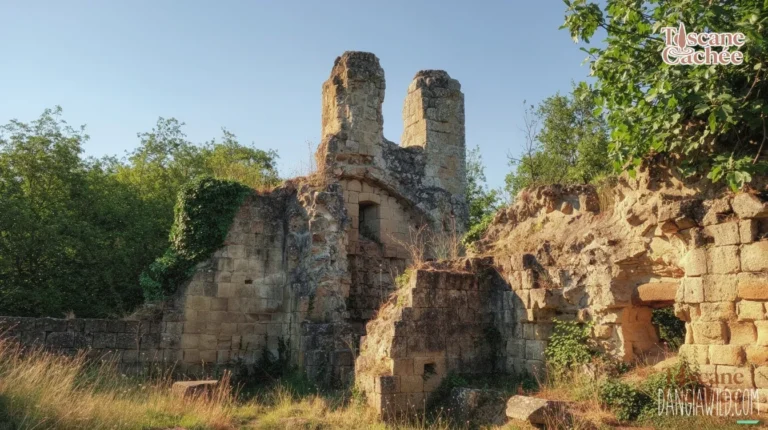
Vitozza
Abandoned rock-cut town and one of the largest in Italy: about 200 cavities carved into the tuff, ramparts, cisterns and churches, inhabited until the 17th century

Tosco If you enjoyed Sorano's troglodyte atmosphere, Vitozza has a much wilder adventure in store for you: don't stop at the first caves and go down to the sources of the Lente to find the hidden waterfall!
Vitozza brings together more than 200 caves carved into the tuff near San Quirico. This medieval site, abandoned in the 18th century, offers a free, wild and cost-free exploration, far from the crowds of Pitigliano. It's the perfect place to feel the power of the stone without the usual barriers.
The wild alternative to Pitigliano and Sovana
You won't find the crowds of the nearby towns here. Silence reigns supreme on the plateau, only interrupted by the wind in the foliage.
Forget the ticket booths. Access is totally free, offering you a raw immersion in the rock. You will feel like an explorer discovering a well-kept secret.
This authenticity defines the spirit of the Maremma. It is the luxury of pure solitude.
Chronology of a city abandoned in the 18th century
The occupation dates back to the Etruscans before becoming a medieval fortress. The tuff walls tell of centuries of resistance and relentless daily life.
The decline ends with the departure of the last inhabitants around 1783. The forest then covered the ruins, creating this unique ghost town setting.
According to experts, Vitozza is identified as a major troglodyte dwelling site. Its archaeological importance is crucial for understanding local human adaptation.
- Etruscan Era : Origines et premières Vie Cave.
- Middle Ages: Fortress of the Aldobrandeschi.
- 1783 : Final abandonment of the caves.
These structures defy time. Despite the abandonment, the stables and dwellings remain standing, silent witnesses to a vanished stone civilization.
Tuff architecture: understanding life in the stone city
After understanding the history of the site, you must take a closer look at how men have shaped this volcanic rock to live in it.
Daily life in the caves: dwellings and stables
The organization of the cavities is ingenious. You find feeding troughs carved directly into the rock face. Cisterns collect rainwater. Each space had a precise vital function.
The southwest orientation of the entrances is strategic. This makes it possible to capture the warmth in winter. The temperature remains constant all year round inside.
Here are the details you will observe on site:
- The tethering rings for the animals.
- The rudimentary chimney flues.
- The wall storage niches.
The mystery of the medieval columbaria
You will notice walls pierced with hundreds of small niches. For a long time they were believed to be Roman tombs. In reality, they are medieval dovecotes.
Medieval dovecotes carved into the tufa walls, used for raising pigeons to obtain meat and fertilizer.
Pigeon farming was crucial. It was a source of meat and fertilizer. A pillar of the local economy of the time.
These carving techniques recall the 5 must-see Etruscan archaeological sites in Maremma. Le know-how passed down over centuries.
The geometric precision of the cavities is surprising. It is impressive and repetitive carving work.
Military and religious remains: from the Chiesaccia to the castles
Identify the ruins of the Chiesaccia, a church that was never finished. The thick walls stand in the middle of wild grasses. It is a place filled with melancholy.
Two Aldobrandeschi castles guarded the plateau. Their foundations blend into the cliff. You can still see the traces of the ancient fortifications. The panorama here is exceptional.
Favor the late-afternoon light. The low sun highlights the textures of the tuff and the details of the rock-hewn sculptures.
Use the late-afternoon light on the tuff. The shadows then reveal the details of the rock-hewn sculptures.
Hike in the Lente valley: the aqueduct trail
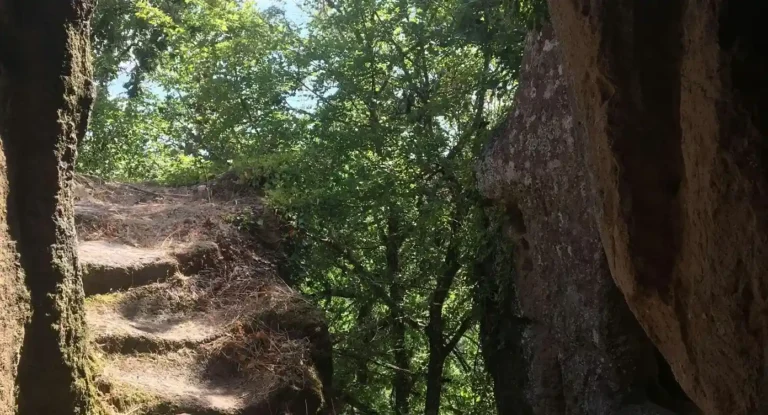
Guided trek in the lost city of Vitozza
- 3 hours
- Beginners accepted
- Bilingual FR/IT guide
Ce trek de 3h mène à la cité perdue de Vitozza, à Sorano, entre maisons rupestres et châteaux médiévaux, avec dégustation de Bianco di Pitigliano
 GetYourGuide
You now leave the heights of the city to descend into the coolness of the valley and its hydraulic works.
Forest trail and environment of the Lente valley
The forest surrounding the path is surprisingly dense. The stagnant humidity here favors a lush vegetation. You constantly walk in the shade of oaks and ferns.
The sound of the stream below accompanies you constantly. It is the Lente river that carved this canyon. The atmosphere is truly refreshing.
You will find the Pozzo del Bicchiere waterfall and bridge a little further on. It is an ideal spot for a break. The water there is clear and icy.
The narrowness of the valley sometimes recalls the layout of the Top 5 spectacular Etruscan sunken roads in Maremma. The rock seems to close in as you pass.
Key points not to miss: Lente canyon, Pozzo del Bicchiere bridge, arches of the neoclassical aqueduct and settling tunnels.
The 19th-century aqueduct and hydraulic infrastructure
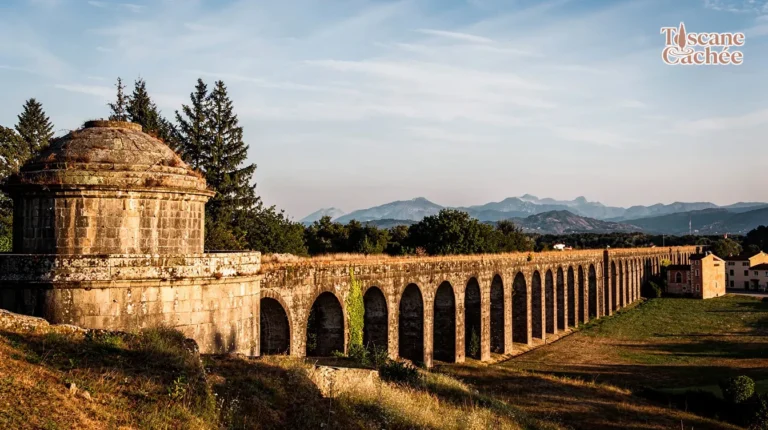
Aqueduct of San Quirico
Au fond de la vallée de la Lente, un aqueduc du XIXe siècle aux arches néoclassiques serpente dans un ravin boisé près de Vitozza [pitigliano.org](https://pitigliano.org/en/vie-cellar-etruscan-built-roads/)
Tosco If you venture towards the arches in the Lente ravine, plan on real waterproof hiking shoes: the volcanic tuff and the humidity of the undergrowth make the areas around the waterfalls super slippery!
Explore the remains of the neoclassical aqueduct. Its elegant arches contrast with the wild appearance of the ravine. It was used to supply the village of San Quirico. It is a technical feat of the 19th century.
Follow the tunnels dug to channel the water. Some passages are narrow and dark. Bring a lamp to see the details of the masonry.
Mastering water was vital in this tufa region. This infrastructure made it possible to sustain life on the Vitozza plateau.
A major digital improvement project for the Vitozza park is planned for 2025. Note that these structures will soon be better documented for visitors.
Restaurants · San Quirico
Nos tables préférées autour de San Quirico
How to successfully explore Vitozza without a guide?
To fully enjoy this adventure without mishap, here are some indispensable logistical tips for your self-sufficiency.
Prefer hiking shoes with good grip. The tufa becomes a real ice rink when wet, especially near the Lente river. Your ankles will thank you for this support.
Allow at least three hours for a proper exploration. Take the time to enter the most isolated caves on the southwest slope. Caught up in the exploration, time flies by.
The white and red trail markings are present but sometimes faint under the vegetation. Download an offline map before you leave. The mobile network is unreliable at the bottom of the canyon.
Don't forget to bring water. There is no resupply point on the rock-cut site.
If you still have energy, set off on the five-kilometer loop towards Sorano. The trail offers sweeping views over the medieval town. It's a perfect extension for experienced hikers.
| Step | Distance | Difficulty | Strong point |
|---|---|---|---|
| San Quirico-Vitozza | 1.5 km | 1/3 | Troglodyte dwellings |
| Cave exploration | 1 km | 2/3 | Medieval columbarium |
| Descent towards the Lente | 1.5 km | 2/3 | Aqueduct and waterfall |
| Ascent back to Sorano | 1 km | 3/3 | View of the Fortress |
Check out this detailed itinerary: Sorano and Vitozza: 2 days in the rock cities. This guide will help you organize your entire weekend.
For accommodation, check out the selection of agritourismos from Hidden Tuscany. You'll find authentic and verified addresses.
While exploring this Vitozza rock-cut town trek, you discover a raw and silent Maremma that classic guides often overlook. Between the thousand-year-old caves and the remains of the aqueduct, this wild immersion guarantees you a an adventure out of time. Do you prefer the mystery of the medieval columbaria or the coolness of the waterfall?
Guided trek in the lost city of Vitozza
- 3 hours
- Beginners accepted
- Bilingual FR/IT guide
This 3-hour trek leads to the lost city of Vitozza, in Sorano, between cave dwellings and medieval castles, with a tasting of Bianco di Pitigliano
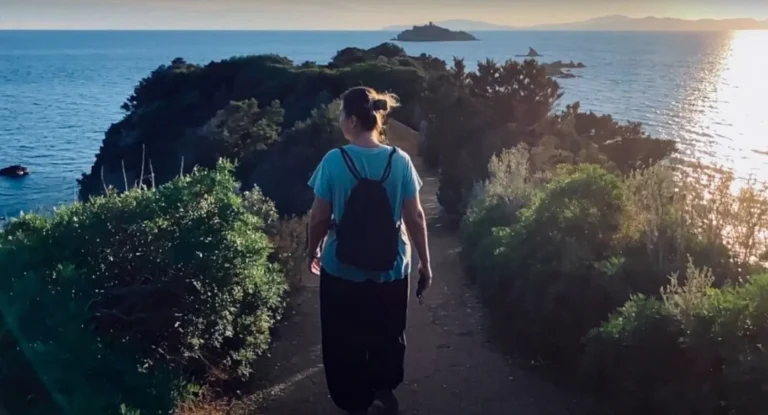
The caves of Vitozza, carved into the volcanic tuff, are a fascinating testament to human ingenuity and adaptation to the environment. Several types of arrangements can be distinguished there, which provide insight into daily life. The dwellings, often oriented towards the southwest to best capture the sun's warmth in winter and benefit from a constant temperature all year round, display surprising details. You will be able to observe rudimentary chimney flues, wall niches for storage, and even cisterns carved out for collecting rainwater, essential to the community's survival. These features show an impressive mastery of excavation techniques and a fine understanding of the local microclimate.
Besides the dwellings, many caves served as stables, recognizable by the presence of feeding troughs carved directly into the rock and tethering rings for the animals. Some caves had mixed uses, combining living quarters and stable, illustrating the closeness between people and their animals. The site is also home to the mysterious medieval columbariums: walls pierced with hundreds of small niches. Far from being Roman tombs as was long believed, they were dovecotes, crucial for raising pigeons, a source of meat and fertilizer. These details reveal a well-established social and economic organization, in which every space had a precise vital function for the community of the «stone city» of Vitozza.
To access the site of Vitozza, the main starting point is the village of San Quirico di Sorano, located about 2 km away. You can leave your car free of charge on the village's main square, where you will find the tourist signs indicating the start of the trail. An alternative is the San Quirico sports ground, which also offers parking spaces. The site of Vitozza has free and open access, which offers an authentic and unrestricted experience, far from the crowds of more touristy sites like Pitigliano.
For a successful self-guided exploration, plan on at least 8. 3 to 4 hours to fully enjoy the caves, the remains and the descent towards the Lente river. Equipment is crucial: hiking shoes with excellent grip are essential, as the tuff can become extremely slippery, especially when wet. I strongly advise you to bring a torch to explore the most remote details of the caves and the aqueduct tunnels. The white and red trail markers are present, but can be discreet in places; an offline map on your phone is therefore recommended, as the mobile network is unreliable in the canyon. Don't forget to bring enough water, as there are no supply points on the site. If you are a good walker, you can extend the adventure with the 5 km trail linking the sources of the Lente to Sorano, offering breathtaking views of the medieval town. For a more complete immersion, you can check out this detailed itinerary for 2 days in the rock-cut towns of Sorano and Vitozza.
The history of Vitozza is a fascinating tale of occupation and abandonment, spanning several centuries and deeply anchoring the site in the history of the Maremma. The first traces of occupation date back to the Etruscan era, with the creation of the first Vie Cave, those paths carved into the tuff that characterize the region. However, it was in the Middle Ages that Vitozza truly flourished as a medieval fortress, under the control of the powerful Aldobrandeschi family. The site was then part of a vast fiefdom comprising some fifteen castles, including Sorano and Pitigliano, playing a major strategic role in controlling the natural access routes to the sea. The tuff walls, with their numerous caves, were transformed into dwellings, stables and outbuildings, forming a true «stone city».
The decline of Vitozza was gradual but inevitable, culminating in the definitive abandonment of the caves around 1783. At that time, a census carried out by the Lorrains even recorded the names of the last inhabitants. The populations gradually migrated to more modern and accessible centres, such as the nearby village of San Quirico. The forest then reclaimed its rights, gradually covering the ruins and creating the ghost-town setting we know today. Despite its abandonment, Vitozza remains an archaeological site of paramount importance for understanding local human adaptation and the evolution of troglodyte dwellings in Tuscany. . It is a place where time seems to have stood still, offering a unique immersion into a forgotten past.
Hiking in the Lente valley from Vitozza is an immersive experience that contrasts with exploring the heights of the rock-cut town. Once you have left the caves, you descend into a dense and surprising forest environment. The trail is constantly accompanied by the sound of the stream, the Lente river, which carved this canyon. The humidity is more present there, fostering lush vegetation of oaks and ferns, creating a refreshing atmosphere, almost tropical in places. The major points of interest include the Lente canyon itself, but above all the discovery of the waterfall et la Pozzo del Bicchiere bridge, a perfect spot for a refreshing break where the water is clear and icy. You can also admire the remains of the 19th-century neoclassical aqueduct, with its elegant arches and tunnels carved to channel water, testifying to a technical feat of the era to supply San Quirico.
However, this exploration is not without challenges. The trail can be slippery, especially on wet tuff, and some sections can be narrow and dark, particularly in the aqueduct tunnels. It is therefore imperative to have hiking shoes with good grip and a reliable torch. The trail markers can be less obvious in this wilder part, so an offline map is strongly recommended. The duration of the complete hike, including the descent to the Lente and possibly the climb up to Sorano (about 5 km from the springs), requires good physical fitness. For the more adventurous, some less-marked trails run along the river, offering novel thrills but requiring accompaniment by experienced guides. The wild atmosphere and natural beauty of this part of the route make it a truly memorable visit for lovers of the outdoors and landscape photography.
Absolutely! To extend your immersion in the authentic Maremma after exploring the rock-cut town of Vitozza, you will find numerous accommodation options that reflect the charm and tradition of the region. The Maremma is renowned for its agritourismos, restored farms offering rooms or apartments, often with a pool and a restaurant serving local produce. These establishments offer a rural and friendly experience, ideal for recharging your batteries away from the hustle and bustle. Many are located a few kilometres from San Quirico or Sorano, allowing you to stay close to the site while enjoying the tranquillity of the Tuscan countryside.
I recommend looking for agritourismos in the surroundings of Sorano, Pitigliano or Sovana. These villages, themselves rich in history and beauty, are excellent bases. Among the authentic accommodations, some offer Tuscan cooking classes, wine tastings, or activities related to farm life. The advantage of these addresses is their commitment to authenticity and the celebration of the local terroir, often at very reasonable prices. To help you in your search, you can check out selections of agritourismos such as those offered by Hidden Tuscany, which highlight verified and characterful addresses. Choosing an agritourismo means choosing to fully experience the spirit of the Maremma, savouring the local gastronomy and enjoying an exceptional natural setting after a day of exploring hidden treasures like Vitozza.
To make the most of your exploration of Vitozza et la Lente valley, it is essential to choose the right times of year, taking weather conditions into account. The best seasons are without doubt spring (April, May, early June) and autumn (September, October). During these periods, temperatures are pleasant, neither too hot nor too cold, ideal for hiking. Spring offers lush vegetation and blooming flowers, while autumn dresses the landscapes in warm, spectacular colours. It is also the time when the crowds are thinner than in mid-summer, allowing you to enjoy a more peaceful and authentic experience, in keeping with the wild spirit of Vitozza.
Summer (July, August), although popular for holidays, can be very hot in the Maremma, with temperatures often exceeding 30°C. If you visit during this period, favour early morning or late afternoon explorations to avoid the hottest hours. The advantage is that the Lente river can offer a welcome refreshment. Winter (November to March) can be cool, even cold, and rainfall is more frequent. The tuff, already slippery in wet weather, then becomes a real ice rink, making some trails more difficult and potentially dangerous, especially in the valley. However, the Maremma in winter has its own charm, with a mystical atmosphere and misty landscapes. Whatever the season, it is always recommended to check the local weather forecasts before setting off and to equip yourself accordingly, never forgetting your non-slip hiking shoes and a torch for the caves.
Around this article


Is the map not displaying? See accommodations on Stay22
Map and prices provided by Stay22: Toscane Cachée may receive a commission on bookings.
You will also like

Pitigliano vs Sorano: which of the two tuff cities is really worth the detour?
Choose Pitigliano for its Jewish and medieval effervescence or Sorano for its wild calm.…

Sorano and Vitozza: 2 days in the rock cities
Explore the rock cities of Maremma in 2 days. Discover Sorano and Vitozza, then...

Top 5 spectacular Etruscan sunken roads in Maremma
Explore the 5 most beautiful Etruscan sunken roads in Maremma. Discover these paths of...

3 days between nature and Etruria: Maremma-Etruscan transversal itinerary
Follow this 3-day Maremma Etruscan itinerary. Explore Pitigliano, hike in Uccellina and…