









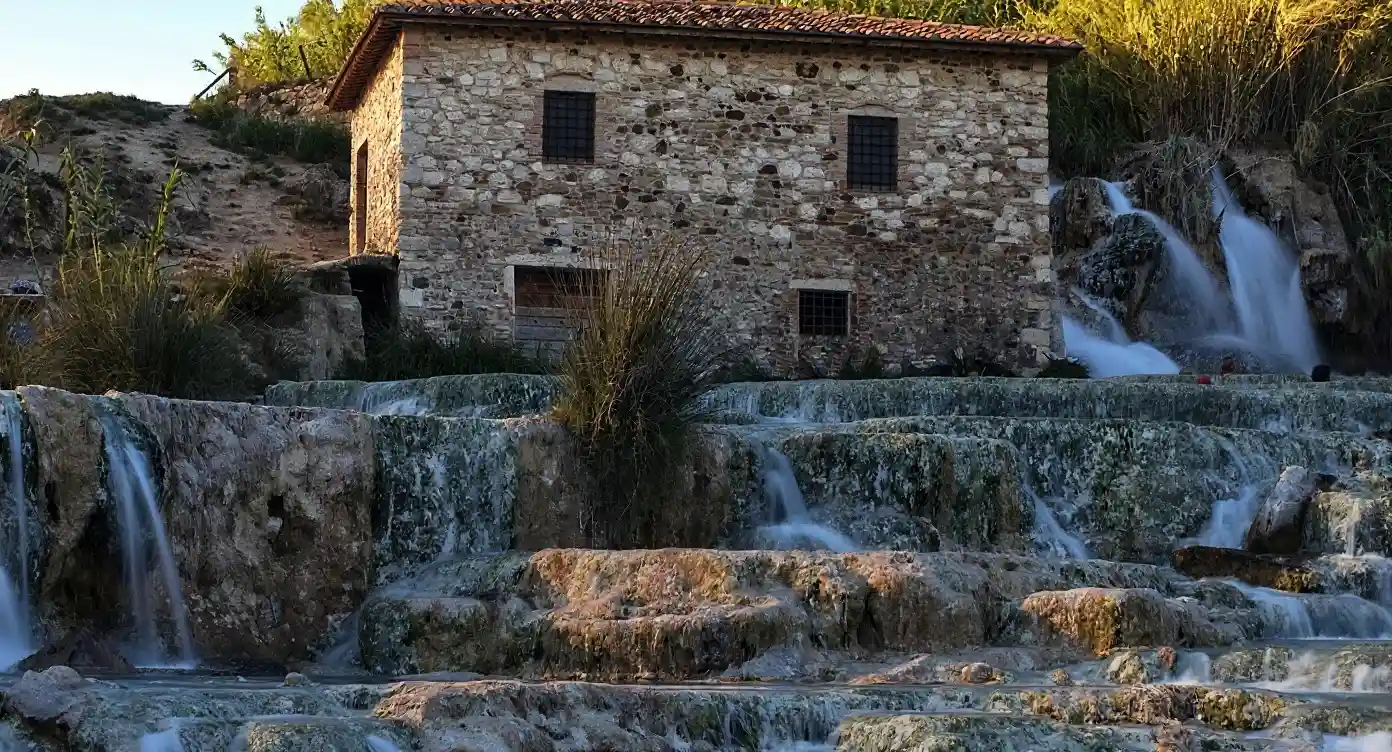
The 43°C water steaming under a frosty sky is not a mirage. In the middle of January, the thermal baths tuscany winter offer a radical thermal contrast that boosts your immunity while treating your bronchi.
Discover my selection of the five most effective springs to turn your stay into a true biological reset.
Tuscany's thermal baths in winter: why you must go now
In winter, Tuscany offers springs between 35°C and 50°C. These waters rich in sulphur and magnesium boost immunity, offering a radical thermal contrast with the cold air and unique mineral properties.
Mineral properties and effects on your winter health
The sulphur and the magnesium act on your bronchi. It is an effective shield against winter viruses which durably protects your ENT area.
The sulphur cleanses your bronchi and the calcium repairs your skin damaged by the cold wind.
The thermal shock stimulates your circulation. Diving into 40°C water when it's freezing instantly awakens your natural defences.
The calcium hydrates your dried-out epidermis. It is a true biological reset, far from pharmacies, in the heart of the wilderness.
Choosing between wild immersion and hotel comfort
Between free pools and private spas, your cold endurance will dictate your choice. Wild sites require a sometimes slippery walk in the rain.
The outdoor temperature varies depending on your distance from the source. In a complex, it remains regulated for a constant and predictable comfort.
1. Cascate del Mulino, Saturnia's limestone pools
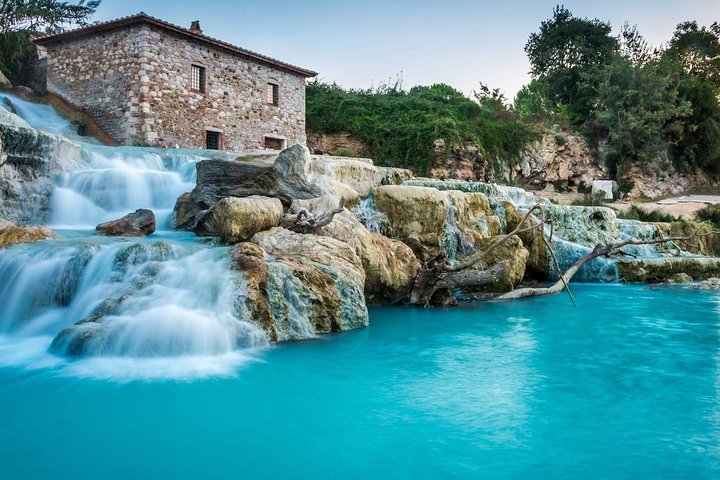
After weighing the pros and cons of comfort, head to the most iconic site of the Maremma for a raw experience. The water flows at 37.5°C into pools of travertine natural. The steam rising from it creates a mystical fog in the middle of winter. It is the ultimate photo spot, but beware of the currents.
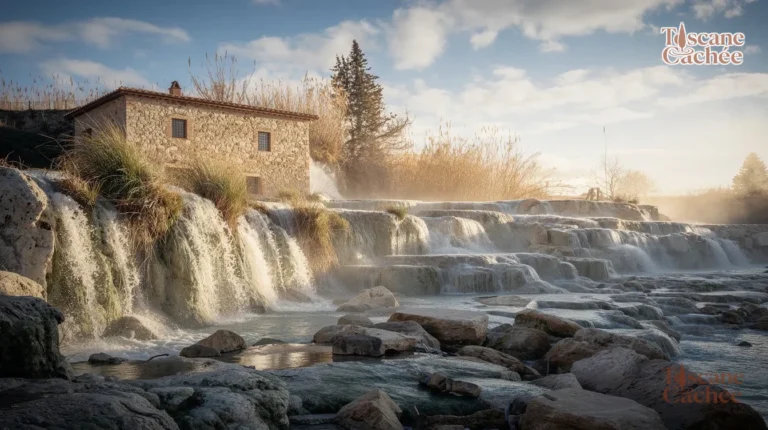
Cascate del Mulino
Travertine pools fed at 37.5 °C by the Gorello, freely accessible 24/7 near the old mill: a rare natural thermal bath in Tuscany

Tosco Go there at dawn or in the middle of the night to have the pools all to yourself, but bring an old swimsuit: the smell of sulfur is unforgiving!
You should enjoy the site at sunrise to avoid the crowds. In winter, the slanting light on the steaming water is exceptional. The calm there is then much more real.
The bottom of the pools is covered with small gravel and thermal plankton. It is excellent for naturally exfoliating the skin. However, plan on water shoes so as not to slip on the limestone.
The smell of sulfur is strong and clings tenaciously to the skin. It is the price to pay for loosened joints. Your mind will be completely soothed by the constant sound of the water.
The bar next door stays open, but the showers are basic. Get your things ready to change quickly in your car. This will keep you from catching a chill after that long swim.
Our picks · Saturnia
Our favorite spots around Saturnia
2. Bagni San Filippo, the lunar scenery of the Fosso Bianco
If Saturnia is the star, San Filippo is its wild cousin hidden in the forests of the Val d'Orcia. There you will find the White Whale, an immense limestone formation that looks like a petrified glacier. The water is scorching hot straight from the ground. It gushes out at a temperature between 35 and 50°C according to the readings from the scientific source of the ENS Lyon.

Bagni San Filippo
A village of 91 inhabitants in Val d'Orcia where the 48 °C waters sculpt the Balena Bianca and free pools, swimmable even in winter
Tosco Above all, take an old swimsuit that isn't afraid of the smell of sulfur and come at dawn: you'll have the Balena Bianca all to yourself, far from the crowds of Saturnia!
The forest atmosphere is unique. You bathe under the bare trees, surrounded by clay mud. The locals smear it on their faces for a free and effective natural mask. It is the ultimate raw thermal experience.
The trail descends into the ravine to access the site. In winter, the path is often muddy and slippery. Wear shoes with good grip to avoid falling. Do not attempt the descent in flip-flops or you will end up as part of the scenery.
The further upstream you go along the stream, the hotter the water gets. That is where you should settle in when the thermometer approaches zero degrees in January. The upper pools retain the heat from the upstream springs better.
The village is small and parking spots are expensive. Arrive early, because even in winter, enthusiasts know the Fosso Bianco hotspot well. The parking […] quickly full.
3. Petriolo thermal baths, the raw heat of the Farma river
We leave the forests for the banks of a river where theRoman history meets active geology.

Petriolo Thermal Baths
Petriolo combines free natural sulfurous water pools and modern thermal facilities in the heart of wild nature
Tosco Much wilder and more secret than Saturnia, the essential ritual here is to alternate between the scalding 43°C pool and the fresh water of the Farma! Just remember to bring an old swimsuit, because the smell of sulfur doesn't forgive.
The thermal shock here is a total experience. The pools border the Farma river, allowing you to go from 43°C water to the river's icy current. It's radical for toning your vein walls in the middle of winter.
These springs are perfect for an exploration of wild Maremma on a few-day itinerary. The site is raw, unadorned, offering an immersion in authentic Italy that doesn't apologize for its wild character.
The sulfur concentration is one of the highest in the country. Your lungs will love it, but your silver jewelry will turn black instantly. Remove them before swimming.
You bathe at the foot of medieval fortified walls. It's one of the most history-laden sites in Tuscany, where the atmosphere remains friendly. Less touristy than Saturnia, it's the favorite meeting place for residents of neighboring villages.
4. San Casciano dei Bagni, the discreet luxury of the Roman pools
For those seeking elegance without the price of luxury spas, San Casciano offers a perfect historical compromise.
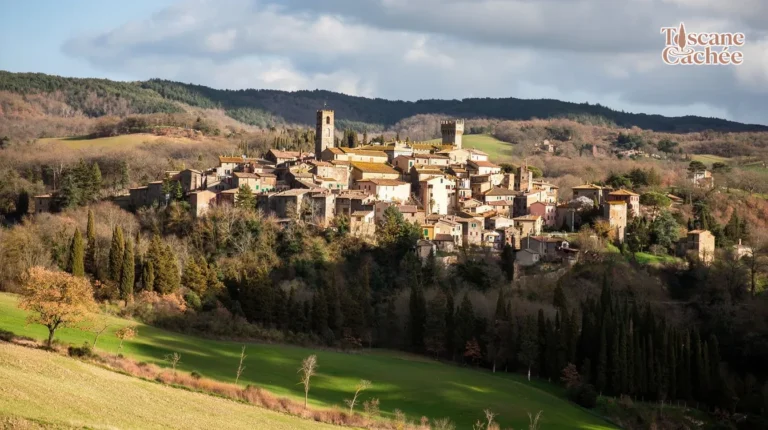
San Casciano dei Bagni.
Medieval village in the Sienese Valdichiana built around 42 hot springs at 40 degrees, used since Roman times
Tosco Forget the crowds of Saturnia: slip into the large triangular pool below the village in the early morning to float at 39°C in water steeped in more than two thousand years of history!
The stone pools await you at the bottom of the village. These ancient Roman pools remain freely accessible today. The water is crystal clear, with a much less pronounced smell than at Saturnia. It's a true haven of peace sous les olive trees.
| Site | Type | Temperature | Service |
|---|---|---|---|
| Saturnia | Free / Paid | 37.5°C | Parking / Showers |
| San Filippo | Free | 35-50°C | Wild nature |
| Petriolo | Free | 43°C | Riverbank |
| San Casciano | Free | 40°C | Roman pools |
| Montecatini | Paid | Variable | Luxury spa |
The medieval village proudly overlooks the site. After your bath, head back up the hill for a coffee. The view over the Val d'Orcia is spectacular, especially with the low winter light.
The archaeological discoveries here are major. Recently, incredible bronze statues were extracted from the mudsThis proves that you have been bathing in a sacred place for millennia.
Tranquility is guaranteed here. It is the least crowded site in my ranking. It is ideal if you hate crowds and are looking for an introspective and silent experience.
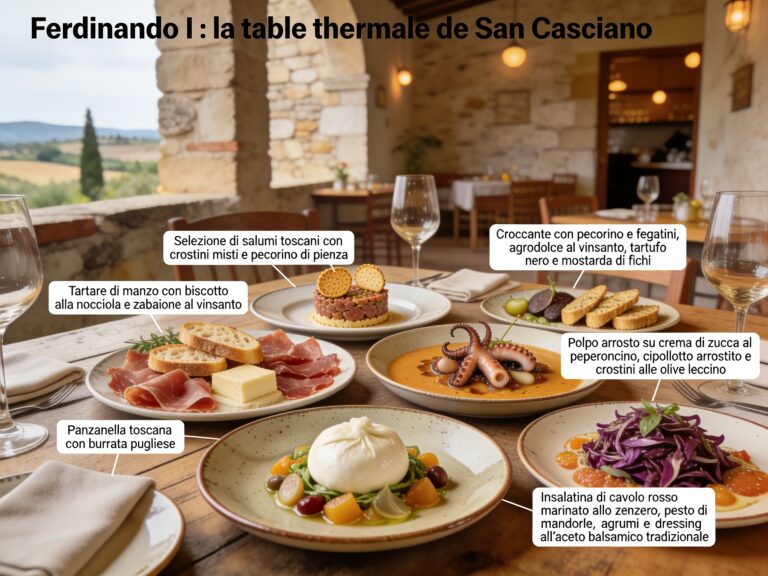
Restaurants · San Casciano dei Bagni
Our favorite tables around San Casciano dei Bagni
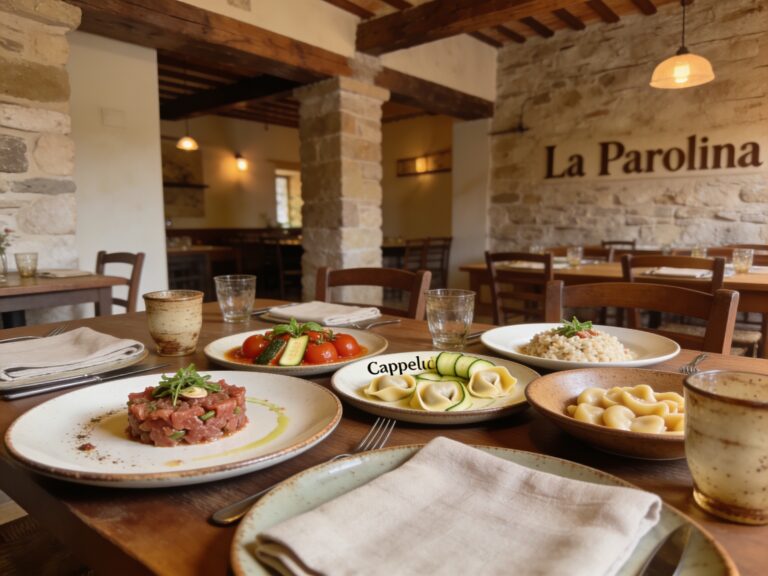
5. Montecatini Terme, the architectural splendour of the Tettuccio
We finish with absolute refinement, where water is contemplated beneath painted ceilings. Here, no mud, but marble and Liberty-style frescoes. The Tettuccio is a thermal palace whose rise is linked to Napoleon and 19th-century urban planning. It is Italian elegance at its peak.
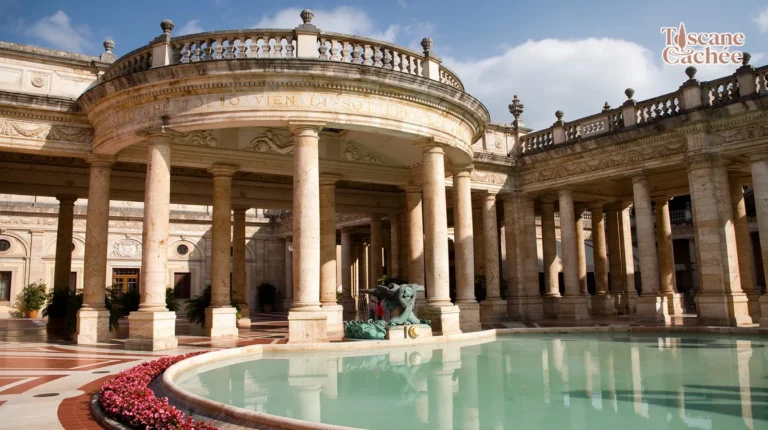
Montecatini Terme
Montecatini Terme is a spa town with neoclassical pools, whose history charmed Verdi and Coco Chanel
Tosco Prepare your taste buds, because the mineral waters of the Tettuccio have a, let's say... very medicinal taste, but heading up to Montecatini Alto afterwards with the red funicular of 1898 will erase all that right away!
At Montecatini, people come for the digestive properties of the springs. It is a social experience. You stroll through the gardens sipping your glass of mineral water. This health ritual takes place among the colonnades and ceramic panels.
The Belle Époque atmosphere transports you into a film from the last century. It is the ideal refuge for a rainy winter day. You stay well sheltered by the monumental structures while enjoying an exceptional artistic setting.
To conclude, climb aboard the historic funicular to Montecatini Alto. The medieval village offers restaurants perfect for a wine tasting after the treatments. Careful, the funicular closes in autumn and the atmosphere of the Tettuccio remains very formal, far from wild bathing.
4 tips to survive bathing in extreme cold
Bathing is a pleasure, but getting out of the water at 2°C requires commando-style organization.
The bathrobe is your best friend. Forget the thin little towel. You need thick cotton and a hood to protect your wet hair from the freezing wind immediately.
Pack your bag with these essentials to keep from shivering :
- Non-slip sandals
- Thermos of piping hot tea
- Wool beanie
- Waterproof bag for your laundry
Silver tarnishes instantly. Remove your rings and necklaces before diving, otherwise the oxidation will be irreversible. Sulfur spares no oversight, even for a quick ten-minute dip.
Sacrifice an old swimsuit. The rotten egg smell soaks into the fibers for weeks. Rinse it thoroughly in clean water as soon as you return to your hotel to limit the stubborn olfactory damage.
How can you avoid the crowds in the hot springs?
Paradise can quickly become a tourist hell if you arrive at the same time as the buses. To truly enjoy the warmth of the waters in the middle of winter, you need to play with the stopwatch and the calendar.
The best times and days to choose in 2026
Aim for dawn, without hesitation. At 6 a.m., you'll have the pools all to yourself. The water vapor with the first rays of sunlight is a unforgettable spectacle.
Stay away from weekends. Italians love their hot springs on Sundays. Prefer Tuesday or Wednesday, and keep an eye on the weather: light rain often discourages the less motivated.
Staying nearby to get ahead of the groups
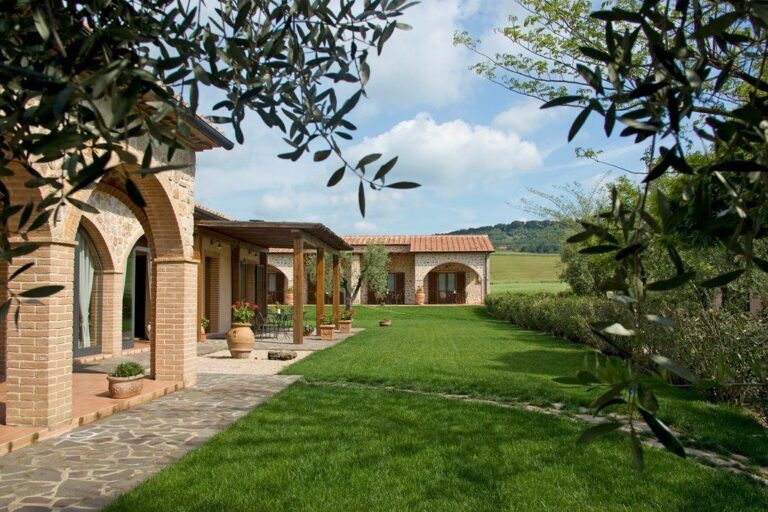
Sleep in a nearby agriturismo. Being less than ten minutes away by car gives you a huge strategic advantage. You will be able to go back and shower in the warmth just after your immersion.
Choose an accommodation with parking. Nothing worse than driving around in circles in a narrow medieval village. This also allows you to leave your belongings to dry in complete safety.
Enjoying the thermal baths of Tuscany in winter requires rigorous organization, but the benefit for your immunity and your mind justifies every effort. Whether you choose the raw heat of Petriolo or the splendor of Montecatini, always plan your thick bathrobe. Are you ready to brave the cold for these sacred waters?

For a first authentic immersion in Tuscany’s wild hot springs in winter, I highly recommend exploring the Cascate del Mulino in Saturnia or Bagni San Filippo. These two sites offer unique and memorable experiences. The Cascate del Mulino, , located in the magnificent Maremma region, are iconic with their natural travertine pools where the sulfurous water gushes out at around 37.5°C. The atmosphere there is magical at sunrise, with the water vapor creating a mystical fog. To avoid the crowds, aim to arrive at dawn, around 6 a.m., , and favor weekdays such as Tuesday or Wednesday. Be sure to bring non-slip water shoes for walking on the slippery limestone and small pebbles.
If you are looking for an even wilder atmosphere and an almost lunar setting, Bagni San Filippo, nestled in the forests of the Val d'Orcia, is an excellent alternative. There you will discover the spectacular Balena Bianca, a unique limestone formation. The water there is warmer, with temperatures ranging from 35 to 50°C depending on how close you are to the source. Access is via a trail that can be muddy and slippery in winter, so shoes with good grip are essential. The village is small, and the parking lot can quickly fill up, , even in winter, so arrive early. In both cases, prepare a thick cotton hooded bathrobe, non-slip sandals, a thermos of hot tea, a wool hat and a waterproof bag for your wet belongings. Don’t forget to remove all your silver jewelry, as the sulfur will blacken it irreversibly. To limit the sulfur smell on your swimsuit, rinse it thoroughly in clear water right after your bath. To learn more about the Saturnia hot springs, you can consult this detailed article: The Saturnia hot springs: practical information, prices & tips.
The thermal waters of Tuscany, notably those of Saturnia and San Filippo, are renowned for their exceptional mineral properties, particularly beneficial in winter to strengthen immunity and relieve cold-related ailments. At Saturnia, the water of the Cascate del Mulino gushes out at a constant temperature of 37.5°C and is heavily charged with sulfur, magnesium and thermal plankton. Sulfur is an excellent ally for the ENT sphere, helping to cleanse the bronchi and create a shield against winter viruses. Thermal plankton, for its part, has natural exfoliating properties and contributes to skin health, which is often attacked by the cold. The warmth of the water, combined with the contrast with the winter air, also stimulates blood circulation, toning the vein walls and awakening the body’s natural defenses.
The springs of Bagni San Filippo, with temperatures ranging from 35 to 50°C, are also rich in sulfur, calcium and bicarbonate. Calcium is particularly beneficial for the skin, helping to hydrate it and repair it from the assaults of the cold wind. The locals actually use the clay mud of San Filippo as a natural face mask, taking advantage of its purifying and soothing properties. The sulfur smell, more intense near the source, is a sign of the mineral richness of these waters, recognized for their beneficial effects on the joints. Immersing yourself in these warm waters in the middle of winter provides a true « biological reset », soothing the mind thanks to the constant sound of the water and promoting general well-being. These natural thermal experiences are an excellent alternative for taking care of your health far from pharmaceutical products, in the heart of the wild nature. For more details on the properties of the waters of San Filippo, you can consult this article: Bagni di San Filippo: natural hot springs of Tuscany.
Traveling with children to the wild hot springs in winter requires some preparation, as conditions can be rustic. Sites like the Cascate del Mulino in Saturnia or Bagni San Filippo are free and offer a raw experience in the middle of nature. However, the air temperature is cold, the paths can be slippery and the showers are often non-existent or rudimentary. The strong sulfur smell and the consistency of the water can also surprise the youngest ones. If your children are adventurous and well equipped (non-slip shoes, warm bathrobes, hats, hot tea), the experience can be memorable, but you must be aware of the constraints.
For a more comfortable experience and facilities suitable for families, paid hot springs are an excellent option. The Saturnia Thermal Park, for example, offers thermal pools with complete infrastructure. Entry costs around €30 per adult and is free for children under 12. Opening hours are generally from 9:30 a.m. to 7 p.m. in summer and until 5 p.m. in winter. The Terme di Saturnia Natural Spa & Golf Resort also offers access to its pools for around €65 per person, with high-end services. In Bagni San Filippo, the Hôtel Terme San Filippo offers a spa with professional facilities open from March to October, from 8:30 a.m. to 7 p.m. (closed on Tuesdays), with bath access rates around €15 to €25. Finally, if you are looking for the grandeur and comfort of a historic establishment, Montecatini Terme and its Tettuccio offer a thermal experience more focused on well-being and contemplation in a magnificent architectural setting, although people come more for the digestive properties of the waters than for bathing proper. These paid options guarantee a regulated temperature, changing rooms and hot showers, making the experience more pleasant and safer for the whole family in winter.
Yes, the sulfur smell is an inseparable characteristic of Tuscany’s natural hot springs, and it is particularly noticeable at Saturnia and San Filippo. At Saturnia, the smell is strong and can cling tenaciously to skin and clothing. It is a sign of the water’s mineral richness, essential for its therapeutic benefits. At San Filippo, the smell is also present, especially near the source where the water gushes out at its maximum temperature, but it generally becomes more bearable as you move away. If you are sensitive to smells, it can be a bit surprising at first, but most visitors get used to it quickly, given the exceptional setting and the benefits of the baths.
As for precautions, they are absolutely necessary, especially for your jewelry and your swimsuit. Sulfur causes rapid and irreversible oxidation of silver. It is therefore imperative to remove all your silver jewelry (rings, necklaces, earrings) before entering the water, even for a short swim. For your swimsuit, the characteristic rotten egg smell of sulfur tends to permeate the fibers durably. My advice is to sacrifice an old swimsuit that you won’t mind seeing permeated with this smell. Once your session is over, rinse it thoroughly in clean water as soon as possible to limit the olfactory damage. Plan a waterproof bag to carry it separately from your other belongings. These small precautions will allow you to fully enjoy the experience without unpleasant surprises on your return!
Absolutely! If you are looking for a thermal experience combining history, relaxation and tranquility, far from the crowds of the most famous sites, I highly recommend San Casciano dei Bagni. This little gem located in the province of Siena offers an immersion in Roman history with its ancient stone pools, accessible free of charge. The water there is crystal clear, and the sulfur smell is much less marked than at Saturnia, which contributes to a more soothing atmosphere. You will bathe in ancient Roman pools, a true haven of peace nestled under the olive trees, offering an idyllic setting for an introspective and silent session.
What makes San Casciano dei Bagni particularly attractive in winter is its low attendance. It is the least touristy site in this selection, ideal if you hate crowds. After your bath in these waters at around 40°C, you can walk back up the hill to the medieval village that proudly overlooks the site. Enjoy a hot coffee while admiring the spectacular view of the Val d'Orcia, particularly striking with the low winter light. The recent archaeological discoveries of incredible bronze statues extracted from the mud attest to the historical and sacred importance of this place for millennia. It is an experience that combines the benefits of thermal waters with a deep connection with the past, all in a precious tranquility in the middle of the winter season.
To fully enjoy the wild hot springs of Tuscany in winter and avoid the crowds, rigorous planning is key. The best advice is to aim for dawn. Arriving around 6 a.m. will guarantee you have the pools almost to yourself. The water vapor mingling with the first rays of the sun offers an unforgettable spectacle and an atmosphere of the utmost serenity. In winter, the contrast between the cool air and the warm water is particularly invigorating, and the morning tranquility accentuates this feeling of well-being.
As for days of the week, it is strongly recommended to avoid weekends. Italians love their hot springs on Sundays, and sites like Saturnia can get very busy. Prefer weekdays instead, ideally Tuesday or Wednesday, for minimal attendance. Also don’t hesitate to keep an eye on the weather: a light drizzle can discourage many visitors, offering you calmer pools. To maximize your chances of getting ahead of the groups and returning quickly to the warmth after your bath, the golden rule is to stay in a nearby agriturismo. Being less than ten minutes away by car from the hot springs gives you a huge strategic advantage. It allows you to change and shower in the warmth right after your immersion, thus avoiding catching a cold. Also make sure your accommodation has parking, as this will greatly simplify your logistics, especially in medieval villages where spaces are scarce.
Around this article

Is the map not displaying? See accommodations on Stay22
Map and prices provided by Stay22: Toscane Cachée may receive a commission on bookings.
You will also like

Free thermal baths in Tuscany: the complete guide 2026
Discover the best free thermal baths in Tuscany. From Saturnia to Petriolo, enjoy the springs…

How to enjoy Saturnia without the crowds at dawn
To experience the magic of Saturnia without the crowds, be sure to arrive before 8am. The water at…

Maremma thermal baths in summer 2026: which ones are still worth it when it's hot?
Enjoy the Maremma thermal baths in summer 2026: from Saturnia to Petriolo, discover my tips…

Thermal baths budget in Maremma: how much to plan for a day at the springs 2026
Anticipate your Maremma thermal spa budget for 2026: allow €5/hour for parking at…