










Fed up with bringing back plastic trinkets made in China from your holidays on the coast?
The real Maremma is hidden in the workshops of Sorano or Campagnatico, where Maremma craftsmanship survives thanks to passionate artisans. Discover how to hunt down a horn-handled knife or a terracotta ceramic without getting ripped off by the tourist traps of the coastline.
Maremma craftsmanship: why you must flee the coastal souvenir shops

Authentic craftsmanship can be found in Campagnatico for cutlery, Sorano for terracotta and Manciano for leather. Favor pieces in horn or olive wood, symbols of the Butteri heritage, over industrial copies. But beware, the true masterpiece is not found on the plastic display stands by the sea.
The object that has a soul versus industrial junk
A hand-forged object has a real weight and a rough texture. The blade of a handmade knife does not bend. You feel the hammer's work on the raw steel.
The shops on the Grosseto coast all sell the same horrors. These imported products kill the identity of our terroir. It is an insult to our local culture. We standardize everything for the tourist passing through.
Always look for the mark stamped by the artisan. It is the only seal of truth. A story is written in every imperfection.
Everything begins here out of rural necessity. The tool served to survive in the wild land.
The Butteri are the traditional herders of the Maremma. These outstanding horsemen shaped a rustic way of life from which all local craftsmanship derives, from saddles to pocket knives.
Understanding the link between the tool and the land of the Butteri
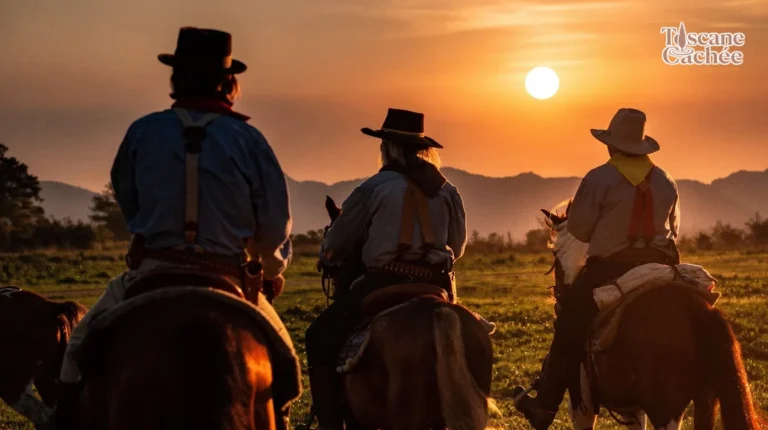
Butteri
An experience revolving around the butteri, the Tuscan cowboys of the Maremma, paired with wild landscapes, beaches and an Etruscan past

Tosco Forget the American myth: in 1890, butteri serving Duke Caetani supposedly held their own against Buffalo Bill's troupe! Head out to watch the last butteri at work near Alberese at the end of the day — the atmosphere among the big horned oxen is simply breathtaking.
The sturdy saddles and knives served the Butteri. Every leather bag had a precise function. Nothing was made for decoration or show.
Vegetable-tanned leather and olive wood are the pillars. These noble materials do not wear out, they develop a patina. They tell of the passing of time with dignity.
To experience this immersion, choose your base well: Maremma agriturismo | Top wilderness stay in Tuscany 2026. That is where the spirit of the land resides.
A few passionate workshops keep these ancestral gestures alive. Transmission is a daily struggle. It is a know-how that refuses to die.
The Maremman knife: the tool that will never betray you in the kitchen

After understanding the soul of these objects, let us linger on the centerpiece of the hearth: the famous Maremma knife.
The Maremmana: recognizing the curve of a shepherd's blade
The Maremmana is recognized by its slightly curved blade and sturdy handle. It is a versatile and powerful tool. It was designed for rough outdoor life.
Handle made of buffalo or ox horn ensures a firm grip. This ergonomics is perfect for cutting the pecorino dry. It handles wild boar charcuterie effortlessly.
- Carbon steel blade
- One-piece horn handle
- Absence of a locking mechanism traditional
- Blacksmith's signature on the heel
In the hand, the balance is perfect. A true artisanal knife radically changes your experience in the kitchen. You immediately feel the difference in weight and precision.
The forges of Campagnatico and the craftsmanship of master cutlers

Campagnatico
Campagnatico is a medieval village perched on olive-covered hills, with ramparts, ancient churches and a local table known for the sanglier alla maremmana

Tosco Keep a close eye on the old church of Sant'Antonio Abate: seeing it transformed into a small village theater is exactly the kind of unusual curiosity we love to unearth on the site!
Campagnatico remains the bastion of traditional forging in Maremma. The region holds major historical importance in extractive metallurgy. Here, iron is no laughing matter.
To understand this heritage, you can consult this document on metalworking in Tuscan Maremma. It is a precious resource. It explains the evolution of local techniques.
The blacksmith spends hours on each unique piece. The heat treatment requires absolute precision. Fitting the horn handle demands a master craftsman's patience.
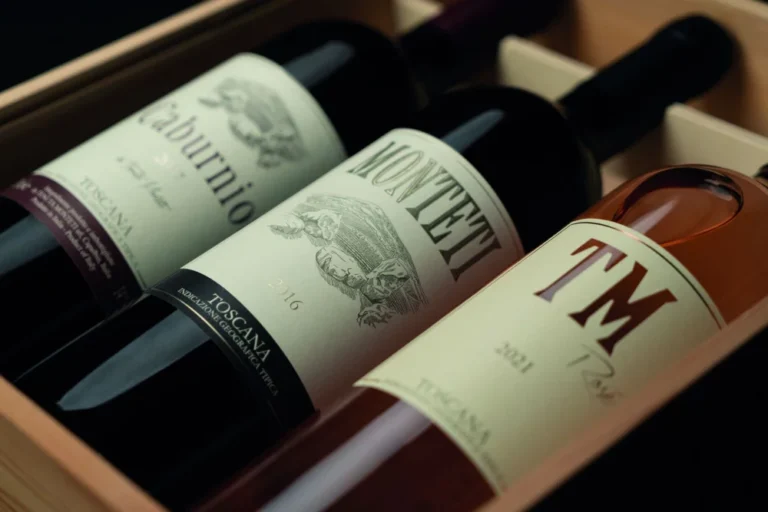
Once equipped, take a look at our guide: Which Maremma wine to buy? Guide and reviews 2026 to accompany your future tastings. A good knife deserves a great local vintage.
Agriturismos · Campagnatico
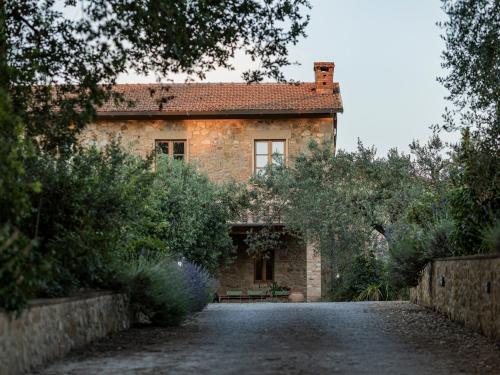
Our favorite agriturismos around Campagnatico
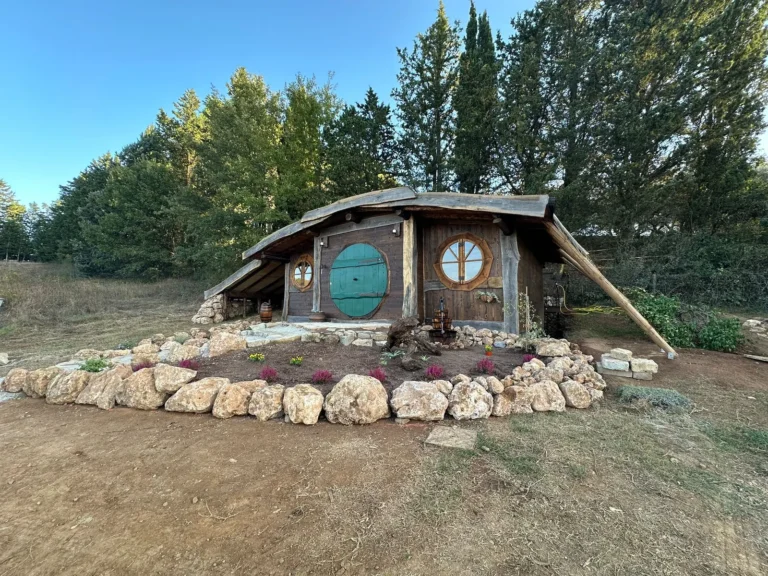
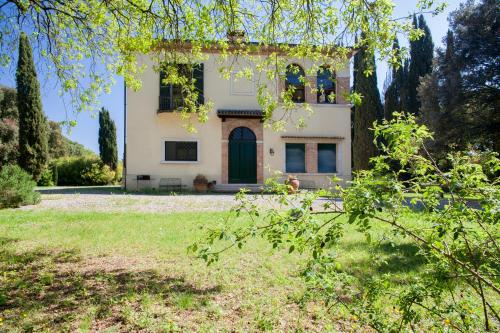
B&B Tenuta di Paganico – Wine&Food
Ceramics and basketry: when clay and rush tell the story of the real Tuscany

If metal forges character, earth and plant fibers dress the daily life of the tuff villages.
Sorano terracotta: the Etruscan heritage in your dishes
In Sorano, the local red clay is not just a material. It carries the Etruscan roots of pottery. It has been used for millennia for preservation.
This tradition of the potters of Etruria remains alive. The sites of Scansano prove this historical grounding. It is a know-how that crosses the centuries without losing its charm.
I recommend you buy ziri, those typical oil pots. Also choose slow-cooking dishes. Their ideal porosity preserves all the flavors of the terroir.
To better understand what you will cook in it, consult my guide : Maremma Gastronomy | 2026 Guide to the true local terroir.
Wicker baskets: the forgotten art of the ancient shepherds of the plain
The harvesting of rushes and wicker is done in wetlands. It is a very demanding seasonal work. It requires a patience that few still possess.
Here, everything is woven by hand, without machines. Each basket is designed to be very light. Yet, it carries heavy loads without ever breaking.
| Object | Material | Traditional use | Durability |
|---|---|---|---|
| Harvesting basket | Wicker | Transport of fruits and vegetables | High |
| Bread board | Rush | Serving and keeping at the table | Medium |
| Cheese basket | Chestnut | Draining and aging | Very high |
| Fishing trap | Local fibers | Catching fish in the lagoon | Seasonal |
It is the ecological alternative par excellence. These natural fibers replace any modern plastic. It is solid, real, Maremman.
Our addresses · Manciano
Our favorite addresses around Manciano

Where to hunt down the real thing: local fairs and hidden workshops far from plastic
To bring these treasures home, you need to know how to leave the main roads and aim for the right calendars.
Summer fairs and village markets in Manciano
Head to Manciano and its neighboring villages. It is here, in the heart of the countryside, that artisans gather during local festivals. Forget the seaside shops.
Take the time to discover Manciano. Le historic center often hides gems. Explore every alley with care.
Look out for posters of the "Sagre" on the village walls. These culinary festivals often host the best basket weavers and leatherworkers from the area, who come to show their skills between two plates of tortelli.
Keep an eye on the dates of the Maremma Markets | 6 addresses to taste Tuscany 2026. The Saturday market in Manciano is a good starting point. There you will find real life.
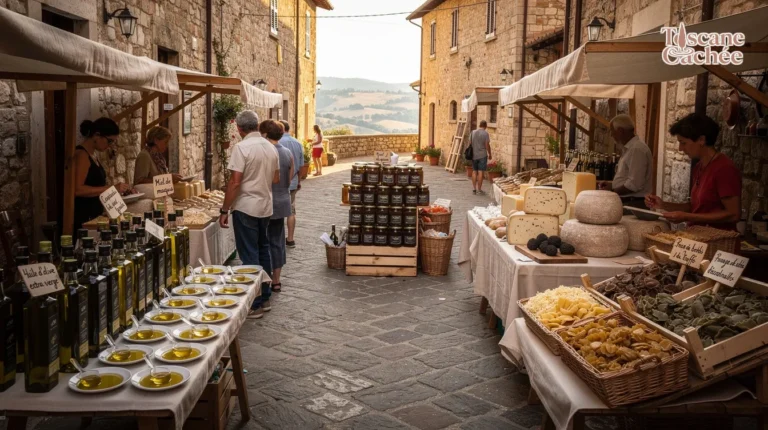
Manciano Market
Saturday market on the Piazza Dante, in the heart of the medieval village of Manciano, with locally pressed oil, maquis honey, sheep's cheese with truffle and artisanal pasta

Tosco My tip if you pass by there on a Saturday: stock up on pecorino and maquis honey on Piazza Dante before dashing off for a dip in the Saturnia waterfalls just down below!
How to spot the seal of authenticity against fakes
Learn to unmasking industrial copies. Look closely at the irregularities of the terracotta. Look for forge marks on the steel of the blades, a sign of handcrafted work.
- Check the hallmark from the artisan
- Touch the texture of untreated leather
- Asking about the exact origin of the materials
- Avoid overly shiny packaging
Provokes the direct encounter with people. Entering a dusty workshop, where the smell of leather or the forge dominates, is more rewarding than clicking on a website. Ask precise questions about the creation process.
Your purchase has a real impact here. Supporting these last masters means preserving the living heritage of our wild Maremma against the uniformization of the world.
Choosing an object forged or woven in Maremma means rejecting industrial junk in favor of supporting our last master artisans. By favoring the workshops of Campagnatico or Sorano, you preserve a living heritage that is essential to our identity. Ready to hunt down a unique piece on your next getaway?
To find a truly authentic souvenir from Maremma, it is crucial to get away from the coastal tourist areas and favor the workshops of local artisans. The first rule is to avoid the souvenir shops that offer « made in China » products or soulless imitations. A genuine Maremman knife, for example, can be recognized by several distinctive features. Its handle is generally made of a single piece of buffalo or ox horn, offering a firm and ergonomic grip. The blade is often made of carbon steel, slightly curved, and above all, you should be able to see the signature or the forge’s stamp on the tang. It is this seal that guarantees the origin and the handcrafted work of the artisan. The forges of Campagnatico are renowned for this ancestral know-how, where each piece is the fruit of hours of work and precise heat treatment.
As for ceramics, authenticity can be found in the tuff villages like Sorano. Here, the local red clay is used, a direct legacy of the Etruscan potters. Look for the irregularities of the terracotta, a sign of handcrafted work, and favor objects like the ziri (typical oil jars) or slow-cooking dishes. Basketry, meanwhile, uses natural materials such as wicker or rush, hand-woven. To be certain of your purchase, do not hesitate to ask questions about the manufacturing process and the origin of the materials. Meeting the artisan directly in their workshop, where the smell of leather, the forge or clay prevails, is the best guarantee. By going to places like Manciano during local fairs or village markets, you increase your chances of finding these treasures and directly supporting the last master artisans of Maremma. Do not forget that buying a handcrafted object is a strong gesture that preserves a living heritage in the face of standardization.
For a cooking enthusiast like you, the Maremman knife is an excellent choice and steeped in history. It is not just a tool, but a true table companion, inspired by the heritage of the Butteri, these traditional herd guardians. To recognize an authentic Maremman knife, often called « Maremmana », several technical characteristics are to be observed. The blade, generally made of carbon steel, is slightly curved and robust, designed for efficiency both outdoors and in the kitchen for cutting cheeses and charcuterie. The handle is one of the most distinctive elements: it must be made of a single piece of horn, often from buffalo or ox, offering an exceptional grip and outstanding durability. You will notice the absence of a traditional locking mechanism, a typical feature of these old knives. Finally, and this is a crucial point, a true artisanal knife will bear the forge’s signature on the tang of the blade. This is the sign of handcrafted work and a controlled origin.
To find these exceptional pieces, I highly recommend heading to Campagnatico, the historic stronghold of cutlery in Maremma. It is there that the master cutlers perpetuate an ancestral know-how linked to local metallurgy. You will not find these treasures in the souvenir shops along the coast. Instead, look for the discreet workshops, where the blacksmith spends hours working the steel and adjusting the handle with meticulous precision. Do not hesitate to strike up a conversation with the artisan, to touch the materials, to feel the weight and balance of the knife. This will allow you to ensure its authenticity and its history. A Maremman knife is an investment that will transform your culinary experience, as it combines functionality, robustness and a unique soul. Once you have found your knife, why not pair it with a good local wine? You could consult our guide Which Maremma wine should you buy? Guide and reviews 2026 to perfect your gastronomic experience.
If you are fascinated by the Etruscan heritage and pottery, Maremma is a destination of choice, and more particularly the village of Sorano. It is there that the local red clay, used for millennia, carries within it the deep roots of this tradition. The ceramics of Sorano are not mere decorative objects, but the reflection of an ancestral know-how that has spanned the centuries, particularly for food preservation. To find authentic pottery, you must go directly to the workshops of local artisans, often nestled in the alleys of the tuff villages. There you will see pieces made by hand, where each imperfection tells a story and bears witness to the artisan’s work.
When looking for pieces, I advise you to take an interest in the ziri, those large typical oil jars of the region, whose porosity is ideal for preservation. Slow-cooking dishes are also an excellent choice, as the clay allows for an even distribution of heat, thus preserving all the flavors of traditional Maremman dishes. Authenticity can also be spotted by the texture of the terracotta, often rough, and by the natural colors of the clay, without excessive flourishes or overly modern motifs. The tradition of the potters of Etruria is still alive here, as evidenced by the archaeological sites of Scansano. By buying directly from the artisans of Sorano, you not only support a local economy, but you also bring back a piece of Tuscan history and culture. To extend this immersion, do not hesitate to explore the local gastronomy, which will pair perfectly with your new acquisitions. My guide Gastronomie de la Maremma | Guide 2026 du véritable terroir local peut vous donner de bonnes pistes.
The Butteri, those emblematic herd-guardian horsemen of Maremma, have deeply marked local craftsmanship. Their rustic way of life and their daily needs have shaped the creation of objects that are both functional and robust. The craftsmanship linked to the Butteri is characterized by the use of noble materials such as cuir à tannage végétal and bois d'olivier, materials that do not wear out but develop a patina over time. Among the emblematic objects, you will find selles robustes, although these are more difficult to bring back as a souvenir. On the other hand, you will be able to find sacs en cuir of all sizes, each originally having a precise function, far from mere decoration. Thick leather belts, wallets or even small carved olive wood objects, such as kitchen utensils, are perfect examples of this heritage.
To find these pieces, it is essential to get away from the classic tourist circuits. The souvenir shops along the coast are to be avoided. Instead, head to villages like Manciano, renowned for leatherwork, or explore the local markets and summer fairs, called « Sagre ». These events are often an opportunity for artisans to present their know-how. I advise you to keep an eye out for the « Sagre » posters on the walls of the villages, as they often host the best basket weavers and leatherworkers of the area. The key is to look for workshops where the leather is worked by hand, where the smell of tanning is present, and where the artisan can tell you the story of each piece. These objects, far from being industrial junk, are witnesses to a way of life and a culture. For a total immersion in this spirit, choosing an authentic accommodation such as an agriturismo can enrich your experience. Do not hesitate to consult Agriturismo in Maremma: how much does a night really cost (and why it is often worthwhile) to find the ideal place to stay.
To unearth the treasures of authentic craftsmanship in Maremma, it is imperative to immerse yourself in local life and favor village markets and seasonal fairs, rather than standardized shops. The town of Manciano and its surroundings are excellent starting points. It is in these rural hearts that artisans gather and display their know-how. The Saturday market in Manciano is a good example where you can find a variety of local products, including handicrafts. However, the true gem lies in the « Sagre ».
The « Sagre » are local culinary and cultural festivals, often dedicated to a terroir product (wine, chestnut, mushroom, etc.), which take place mainly during the summer and autumn. It is during these events that you have the best chances of meeting basket weavers, leatherworkers, potters and blacksmiths directly. To spot them, my tip is simple: keep an eye out for the colorful posters on the walls of the villages. They announce the dates and themes of the upcoming « Sagre ». These posters are often handwritten or printed locally and are posted near churches, on the main squares or at the entrance of villages. Do not hesitate to ask the locals, they will be delighted to point out upcoming events. It is a unique opportunity to see the artisans at work, to talk with them and to buy pieces that have a soul. By participating in these events, you directly support the local economy and the preservation of a living heritage. To plan your stay as best as possible and discover other facets of the region, consult What to do in Manciano | Expert guide to Maremma 2026.
Your approach is excellent and essential to preserve the living heritage of Maremma. Distinguishing true master artisans from mere resellers is a matter of vigilance and commitment. The first step is to favor direct sales places: the artisans' workshops themselves, the local markets et la seasonal fairs (« Sagre »). Avoid generic souvenir shops, especially those located in the very touristy coastal areas, as they often sell imported products or imitations. A true artisan will be proud to talk to you about his work, his techniques, the origin of his materials and the time spent on each piece. Do not hesitate to ask precise questions about the creation process; this will give you clues about its authenticity. For example, a blacksmith will be able to explain the heat treatment of the steel, and a potter will talk to you about the composition of his clay.
To spot authenticity, observe the details. On a knife, look for the artisan’s stamp or signature on the tang of the blade. On a ceramic, the irregularities of the terracotta and the nuances of natural colors are often signs of handcrafting. For leather, touch the texture: cuir à tannage végétal will have a different smell and feel from chemically treated leather. Packaging that is too shiny or too « marketing-oriented » can also be a warning signal. The impact of your purchase is considerable. By choosing an artisanal piece, you directly support the livelihood of these masters, you contribute to the transmission of an ancestral know-how and you help maintain the cultural identity of Maremma in the face of global standardization. It is a strong act that values manual labor, quality and history. It is also an opportunity to create a unique human connection with the artisan, making your souvenir all the more precious. To better understand the local context and the options available to you, you can consult travelers’ reviews in Maremma for concrete feedback.
Basketry in Maremma is an ancient art, deeply rooted in rural traditions and the ingenuity of the inhabitants who used the natural resources at their disposal. The materials mainly used are rush and wicker, harvested in the wetlands of the region. These natural fibers are chosen for their suppleness, robustness and lightness, essential qualities for traditional uses. The objects created were not purely decorative, but had a well-defined utilitarian function in the daily life of shepherds and peasants. You will thus find paniers de récolte, conçus pour transporter fruits et légumes, plateaux à pain for serving and storing, or even paniers à fromage, ideal for draining and aging. Some more specific pieces, such as fishing traps, testify to the artisans’ adaptation to local resources.
To find these artisans, you often have to leave the main roads and venture into the villages of inland Maremma. The areas around Manciano and its surroundings are good starting points. Basketry workshops are often small family structures, where the work is entirely manual, without the help of machines. The best time to meet these artisans is often during the foires locales et marchés de village, notably the « Sagre », where they come to exhibit and sell their creations. These events are a unique opportunity to talk with them, to understand the weaving techniques and to choose a piece that has a story. By buying a basketry object, you acquire not only a durable and ecological product, but you also support a know-how that refuses to disappear, an authentic alternative to modern plastic objects. It is a concrete way to preserve the cultural and artisanal heritage of Maremma.
Around this article



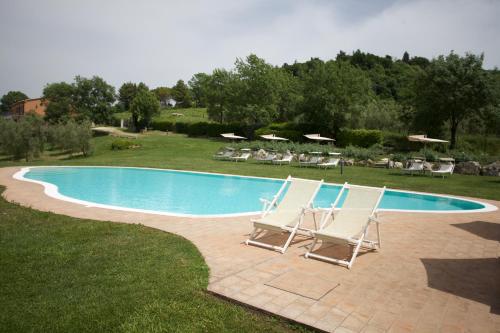
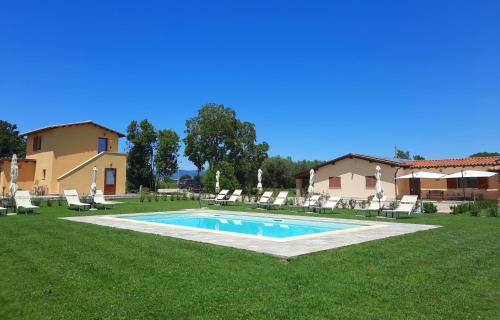
Agriturismo Bio Casale degli Orti
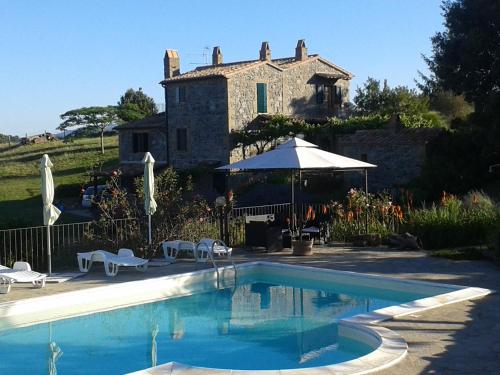
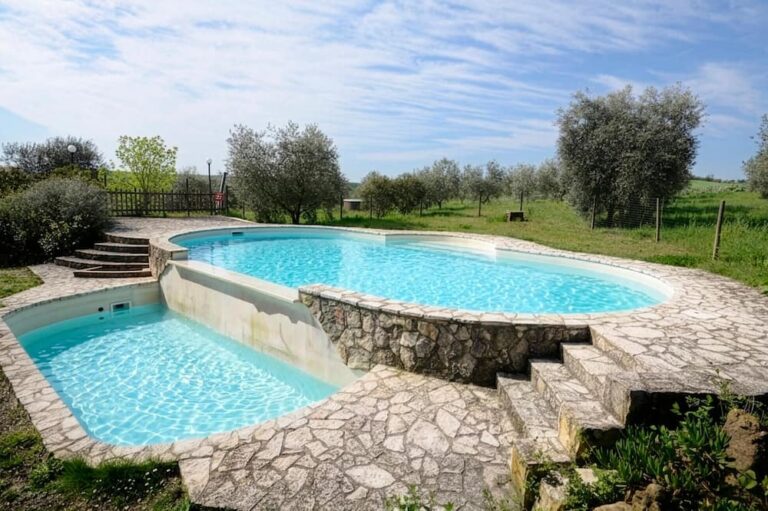
Want to go further? Tours of Tuscany in the same spirit as this article.

From Florence to Pitigliano: 7 days of guided Tuscan craftsmanship


Montecatini, Florence and Lucca: 10 days in guided Tuscany
Live map & prices
Where to stay around Butteri?
Our recommended addresses nearby, then today's prices for your dates.
Cars · live prices
Your rental car from Grosseto airport
No rental agency is based in the villages: the closest agencies to Butteri are in Grosseto. Here are the best current deals, compared and rated.
Searching for available cars…
See all cars and choose my dates
Booking and payment through Discovercars: the link earns us a commission, without changing your price.
Around Butteri
You will also like

This village perched on the cliff took my breath away in seconds
Sorano is a medieval village carved into the tuff, nicknamed the "Matera of the…

Etruscan sites in Tuscany: the complete tour of the necropolises and tuff villages
Explore the Etruscan sites of Tuscany in 2026. Discover the Vie Cave of Sovana...

Markets in Maremma: 6 places to taste the real Tuscany
Discover the best Maremma markets: from Orbetello bottarga to Pitigliano pecorino.…

Tuscan Etruria: the complete guide to Etruscan heritage in Maremma 2026
Explore the Etruscan heritage in Maremma: from Roselle to Sovana, discover the cities…
