

Do you really believe that Tuscany boils down to the hills of Chianti and the queues in Florence?
It was 5 pm, late October. The road still climbs, winds through chestnut forests already red, and suddenly, the landscape opens up. Sorano. Not a postcard, not a backdrop. An ochre block of tuff, set there, as if shattered against the cliff. The first lights come on in the narrow streets, smoke rises from a chimney, the smell of burnt wood and damp earth drifts up to the car. You cut the engine. The silence is total, except for the wind rushing through the gorge below.
Volcanic rock, soft and easy to carve, was worked by the Etruscans and then the Medici to build and protect themselves. You are literally walking on l’history.
A village that doesn't offer itself, that is discovered

Sorano
Sorano, la Matera de Toscane, empile ses maisons creusées dans le tuf au-dessus de la vallée, entre Fortezza Orsini, vie cave étrusques et thermal baths à 37,5 °C

Tosco My insider tip: climb up to the San Rocco viewpoint just opposite, that's where Sorano reveals its most dizzying profile on its tuff spur! Just remember to wear good sneakers, the sunken ground of the *Vie Cave* always remains wet and slippery.
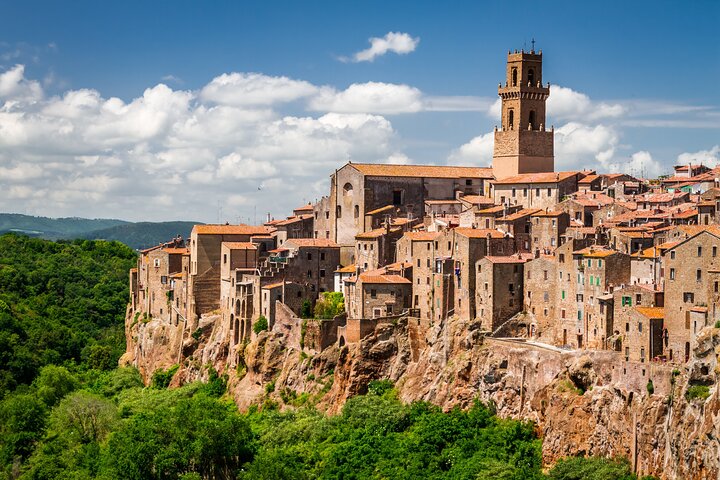
Sorano cannot be seen from afar like Pitigliano, its more famous neighbor. Here, there is no grand access avenue, no obvious central square. You have to park below and walk up. The alleys are so narrow that you rub your shoulders against the warm stone. Some houses are literally carved into the cliff, their low doors open onto vaulted cellars or artisan workshops.
The desired effect does not come from a single panoramic view, but from the accumulation of details: a cat dozing on a tuff ledge, an old woman hanging her laundry between two houses, the echo of footsteps on the stairs carved directly into the rock. You don't visit Sorano, you roam it, you touch it.
Come on weekdays, outside July-August. On weekends, Italians from the region take over the alleys. At 10 in the morning or in the late afternoon, the light is raking and sublimates the stone.
What the photos do not show
The slope. It must be said: Sorano must be earned. Climbing up to the Fortezza Orsini requires good shoes and some breath. The grip of soles on the cobbles polished by the centuries is sometimes slippery after rain.
And in winter, humidity rises from the bottom of the valley. In the morning, fog can completely envelop the village, drowning the colors. It is not sad, it is mystical — but you have to be prepared for it. Bring a windbreaker, even in summer, for the evenings.
Visiting Sorano in Tuscany: the visual shock of tuff
And then, you arrive. The road has turned, climbed through the chestnut woods, and suddenly, the landscape tears open. Sorano does not appear, it imposes itself. An ochre tuff spur rising from the valley, pierced with windows and doors, topped by the severe mass of the fortress. The first glance is striking. The stone is not a backdrop, it is the very essence of the place. It seeps from the cliffs, composes the houses, forms the stairs. You understand in one second why it is called the Tuscan Matera. The air has a taste of earth and suspended time.
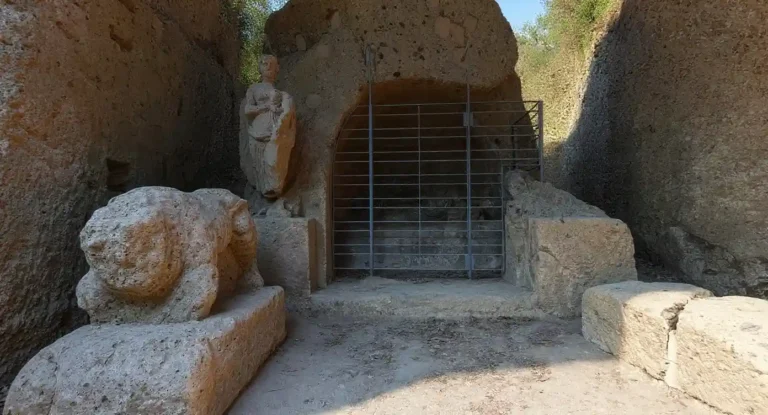
Light, porous volcanic rock, easy to cut. The Etruscans dug their tombs and their roads, the Vie Cave, directly into this material, shaping the landscape over centuries.
The Vie Cave, these Etruscan sunken paths that connect Sorano to Pitigliano, are the other side of the shock. Walking in these trenches several meters high, in the shade and coolness, is following in the footsteps of a vanished civilization. The light filters differently, the sounds are muffled. It is not a simple stroll, it is an archaeological immersion.

The silhouette of the Tuscan Matera at dusk
If during the day, the light is harsh and draws the reliefs, it is when the sun goes down that Sorano transforms. Dusk is the magic hour. The tuff stone, almost white in full daylight, drinks the last rays and blazes in shades of apricot and pink. Every architectural detail, every balcony, every vault is highlighted by the raking light. The shadows lengthen in the alleys, and the village seems to prepare for the silence of the night. It is the moment to sit on a low wall facing the valley and do nothing, just watch.
The defensive heritage of the Aldobrandeschi and the Orsini

Fortezza Orsini
The Fortezza Orsini is a medieval fortress overlooking Sorano, a tuff village fortified by the Aldobrandeschi, with underground passages to explore
Tosco Do not make the mistake of skipping the guided tour: it is the only way to access the labyrinth of underground passages carved into the tuff, by far the most impressive part of the site!
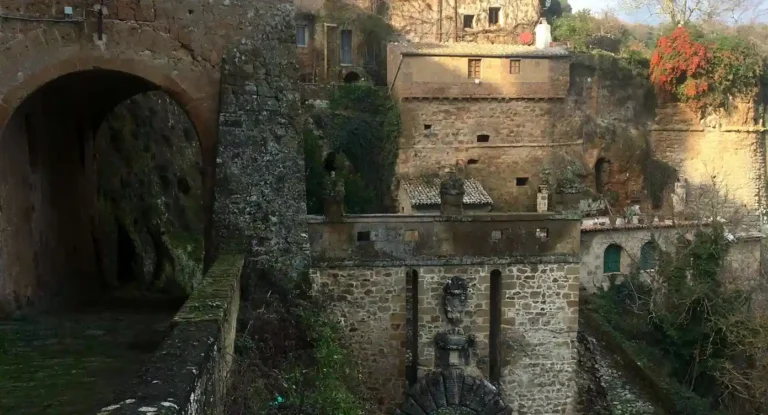
The silhouette that dominates everything is the Orsini Fortress. Massive, angular, it alone tells the tumultuous history of this border. Built in the 14th century by the Aldobrandeschi then reinforced by the Orsini family, it is a manual of medieval military architecture. The ramparts hug the rock, the keeps watch the horizon. The visit inside, with its soils voûtés et ses escaliers en colimaçon, te plonge dans l’âme défensive de la Maremma. De la terrasse, la vue sur les collines est si vaste qu’on comprend pourquoi il fallait tenir ce poste.
To extend this dive into the history of the territory, a hike through the Etruscan sites often stands out as the natural next step.
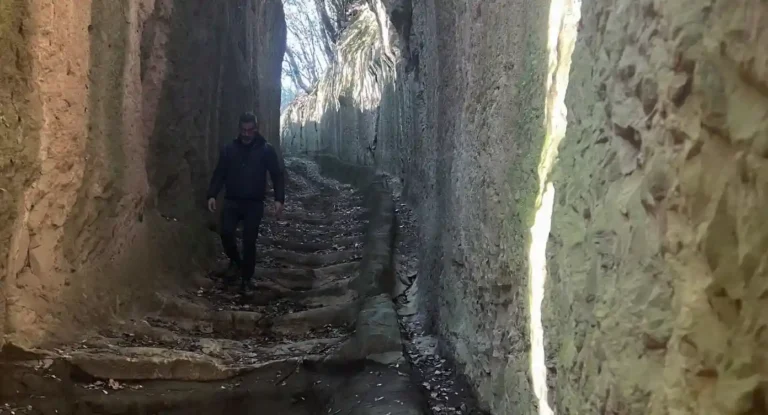
Etruscan hike and Bianco di Pitigliano tasting
- 3 hours
- As a couple
- Beginners accepted
Randonnée de 3h sur les sentiers étrusques de Pitigliano, avec dégustation de Bianco di Pitigliano, fromages et charcuteries locales
 GetYourGuide
Staying at l’Aia del Tufo to experience farm life
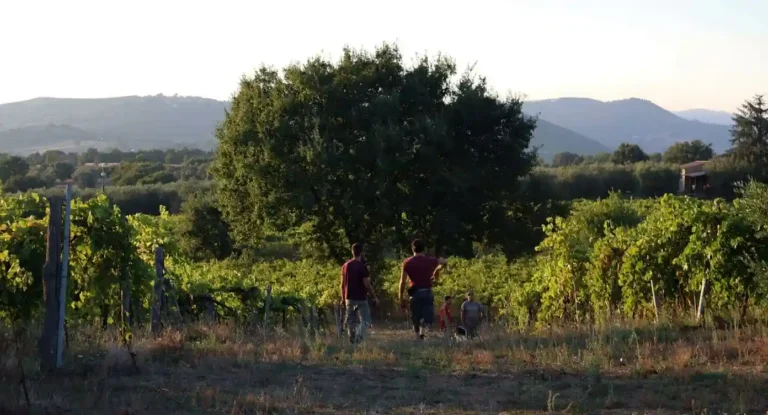
Leaving the castle for theAgriturismo Bio Aia Del Tufo, means moving from defensive stone to the land that nourishes. The road winds between the hills before turning onto a gravel path. Here, the silence is broken only by the wind in the oaks and, at times, the distant bleating of a flock.
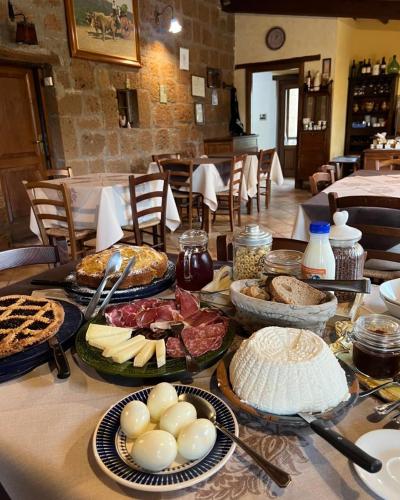
Organic Agriturismo Aia Del Tufo
- Table for dining on-site
- Estate wine
- Hill view
Organic agriturismo in Sorano, between tufa hills and Etruscan towns, with wines, olive oil and a farm restaurant
 Booking.com
The reality of a stay among vineyards and sheep
Living on the farm here is not a decoration. In the morning, you hear the tractor start up before daybreak. Farming activity is the true rhythm of the place: caring for the sheep for the pecorino, working in the vineyards, tending the olive groves. You can take part, if you feel like it and ask – helping to feed the animals, following the olive harvest in season. It is not an organized show, it is the estate's routine. You discover local traditions by watching them happen, not by listening to them being told.
If you want to see the farming activity, come in spring (vine pruning, lambs) or in autumn (grape harvest, olive harvest). In summer, the pace is slower, centered on animal care.
What the photos do not tell you about comfort
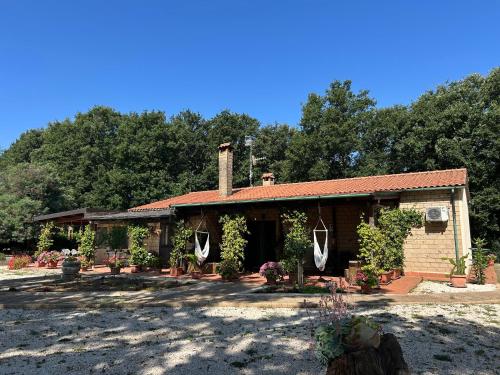
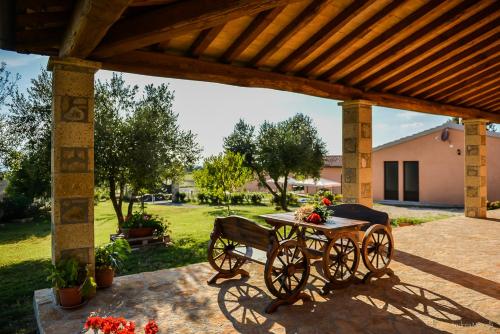
The rooms are in the old farm buildings, made of tufa stone. The authenticity is there: thick walls, exposed beams, a direct view of the meadows. But "rustic" also means simple things. The furniture is sturdy, not designer. Soundproofing between some rooms may be limited. The wifi connection is unreliable, especially in the rooms farthest away. This is the comfort of a country house, not a hotel. If you are looking for room service and silent air conditioning, look instead at a classic hotel. Here, people come for the farm, with everything that entails.
In the evening, plan on bringing a flashlight to get back from the dining room to your room. And don't forget a sweater, even in summer: the nights in the tufa are cool.

Savoring the authentic terroir of the province of Grosseto

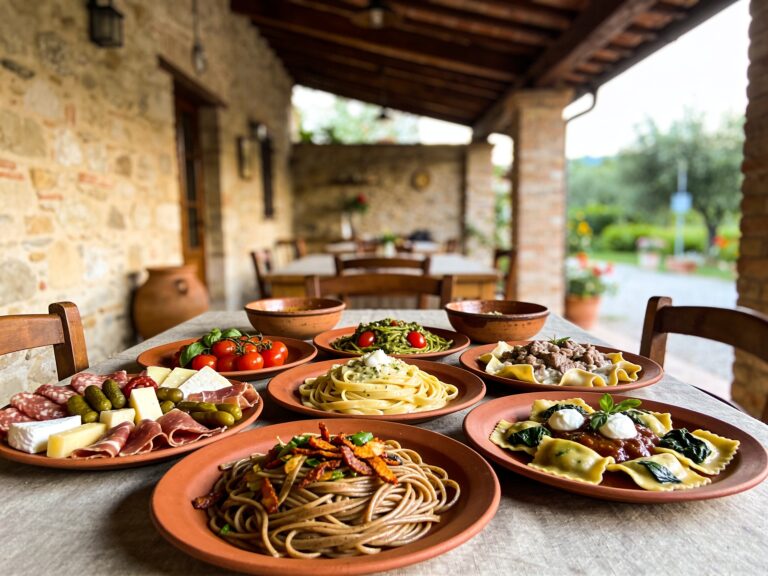
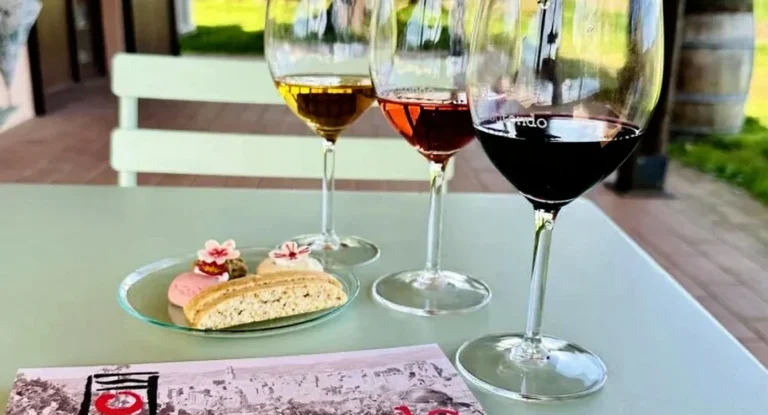
In the evening, when the air cools on the hills, everything happens around the table. Here, we are not talking about sophisticated gastronomy, but about the true taste of things: a pecorino that still smells of the cellar, a charcuterie homemade, a wine that tells of the soil it grew in.
The guest table and the true taste of pecorino
To the’Organic Farmstay Aia Del Tufo, the host table is not an option, it is the heart of the stay. You sit at long wooden tables, often with other travelers, and eat what was produced that very morning. The cheese is their pride: a firm pecorino, slightly tangy, that melts on bread without oil. The charcuterie comes from pigs raised free-range on the estate. It is not a gastronomic dinner, it is a farm meal – hearty, simple, and of rare honesty.
A meal served at a fixed time, shared with the other residents of the agriturismo. The dishes are those of the day, often without choice, based on the farm's production.
The ritual of the cellars and products of the land
The magic happens in the cellars, those caves dug into the tuff which maintain a constant coolness all year round. It is there that the pecorino completes its aging and that the charcuterie develops its aromas. Some agriturismos, such as the Organic Agriturismo Aia Del Tufo, offer tours of these cellars. You will see the cheeses lined up on wooden boards, the humid air and the half-light preserving the flavors. It is a lesson in patience and respect for the product, far removed from industrial refrigerators.
If you want to extend this gourmet immersion, consider checking the calendar of sagras and village festivals in September, where the local terroir is celebrated with fervor.
Nos adresses · Sorano
Nos adresses préférées autour de Sorano
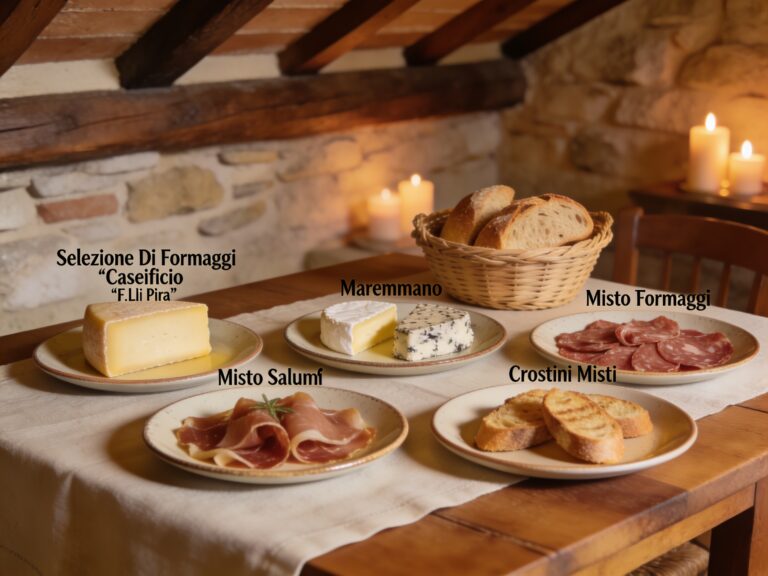
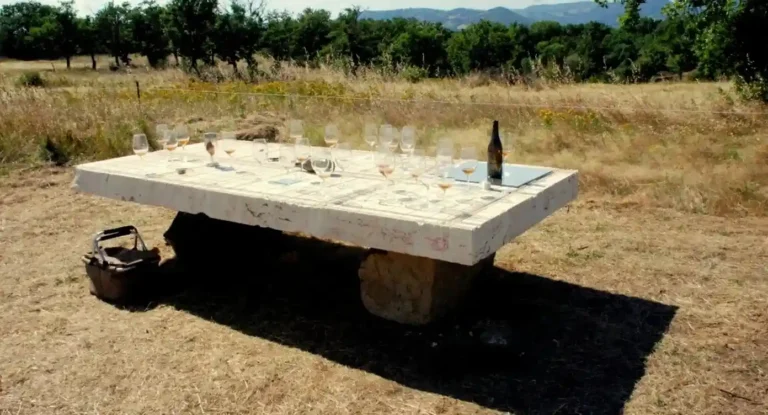
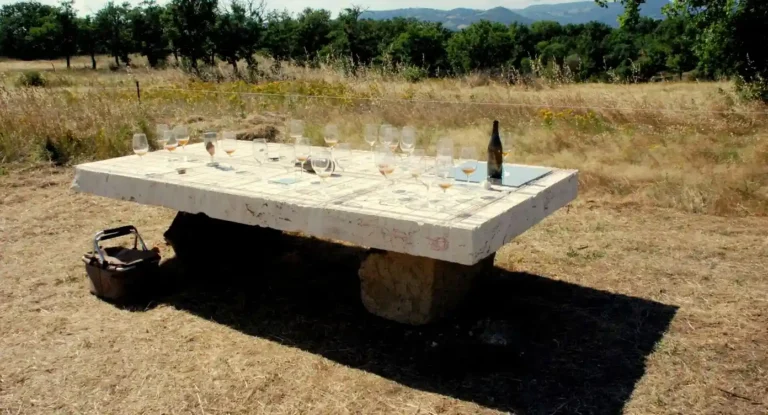
Alcohol abuse is dangerous for health, consume in moderation.
Exploring the Vie Cave and the secrets of Vitozza
After the cheese, you will have the legs for a more physical exploration. Right next door, two sites plunge you into another dimension of the region: the entrails of the earth and the remains of a forgotten city.
The cool shade of the paths dug by the Etruscans
The Vie Cave are paths carved into the rock that offer a breathtaking view of the countryside. Concretely, you walk in trenches of tuff ten to twenty meters deep, between mossy and damp walls. In summer, it is an immediate refuge of coolness. The atmosphere is almost mystical, especially early in the morning when the light barely filters through. The most accessible trail often starts from Sorano towards Sovana. Wear good shoes, the ground is uneven, sometimes slippery.
Set off at dawn or in the late afternoon to have the paths to yourself and the best light for photos. Avoid the middle hours in summer, even in the shade, the air can be heavy.
The lost city of Vitozza far from the crowds
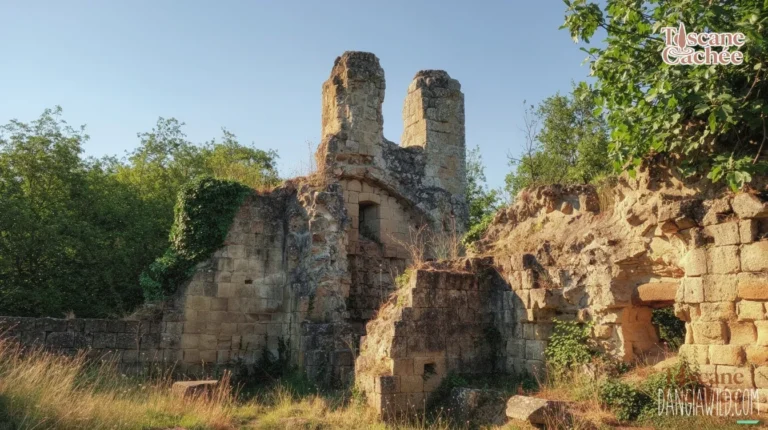
Vitozza
Abandoned rock-cut town and one of the largest in Italy: about 200 cavities carved into the tuff, ramparts, cisterns and churches, inhabited until the 17th century
Tosco If you enjoyed Sorano's troglodyte atmosphere, Vitozza has a much wilder adventure in store for you: don't stop at the first caves and go down to the sources of the Lente to find the hidden waterfall!
The site of Vitozza is an ideal place to discover the region's secrets. More hidden than the Vie Cave, it is a set of cave dwellings carved into the cliff, inhabited until the 18th century. You stroll through a forest to discover, one by one, these cavities that were houses, stables, chapels. It is dizzyingly simple. Access is free, but to grasp the history, a guided trek like the one offered by some agriturismos changes everything. Allow a good half-day, access is via San Quirico di Sorano.
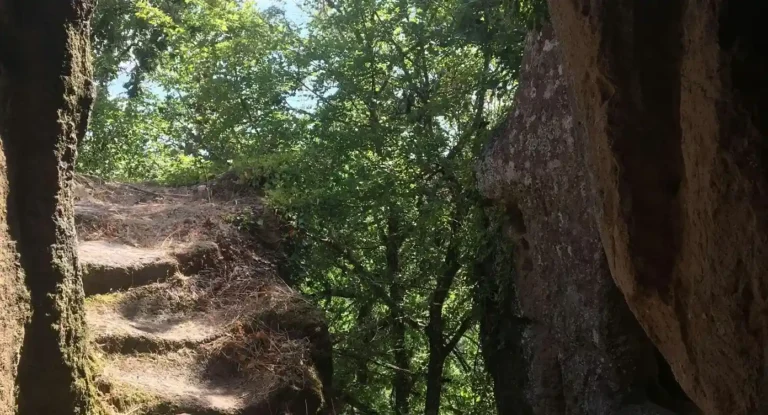
Guided trek in the lost city of Vitozza
- 3 hours
- Beginners accepted
- Bilingual FR/IT guide
This 3-hour trek leads to the lost city of Vitozza, in Sorano, between cave dwellings and medieval castles, with a tasting of Bianco di Pitigliano
- Access : Free parking at the entrances to the sites. No ZTL here.
- Equipment : Hiking shoes mandatory, flashlight useful for Vitozza.
- Period : Spring and autumn are perfect. After the rain, the Vie Cave can be muddy.
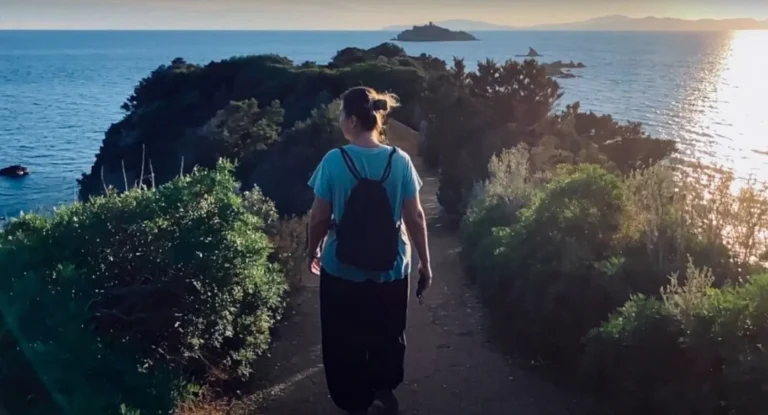
What no one tells you about the tuff villages
The photos show the alleys and the viewpoints, but they don't show the essential thing: the physical experience of wandering through these stone cities. No one tells you that the July afternoon heat is stifling, because the rock absorbs and releases heat. No one tells you either that, in the off-season, some restaurants in the center of Pitigliano may close earlier than expected, without warning. Authenticity comes at a price: it is not a frozen movie set, but a living place, with its own rhythms and constraints.
Visit early in the morning or in the late afternoon, especially in summer. The light is sublime, and you will have the Vie Cave almost to yourself.
The truth about roads and accessibility

Yes, the tuff villages are accessible by car, but that's where the real journey begins. The access roads to Sorano or Pitigliano are narrow, winding, and often lined with precipices without guardrails. The advice you're not given often enough: don't look at your GPS, look at the road. Parking is limited, especially on weekends in good weather. In Pitigliano, the main parking lot below fills up before 11am. Plan to walk. A compact car is a major asset here.

Don't park anywhere, even if you see other cars doing so. Fines for illegal parking are real and steep. Always use designated parking lots.
Choosing the right moment for your exploration
The tuff villages are ideal to visit during the months of May or September. That is a fact. But what is forgotten to mention is why. In May, the hills are still green and wildflowers color the edges of the Vie Cave. In September, the air is already cooler, and the grape harvest atmosphere sets in. Summer can be overwhelming, and in winter, some trails like those of the lost city of Vitozza can be slippery and muddy. Autumn is also the time of the sagres, these village festivals that offer you an immersion far richer than a simple visit.
- May : Perfect temperatures, lush nature.
- September : Grape harvest atmosphere, golden light.
- July-August : Very hot, more crowded.
- November-March : Some businesses closed, intimate atmosphere.
Activités · Sorano
Nos activités préférées autour de Sorano
Our recommended agriturismos in Sorano
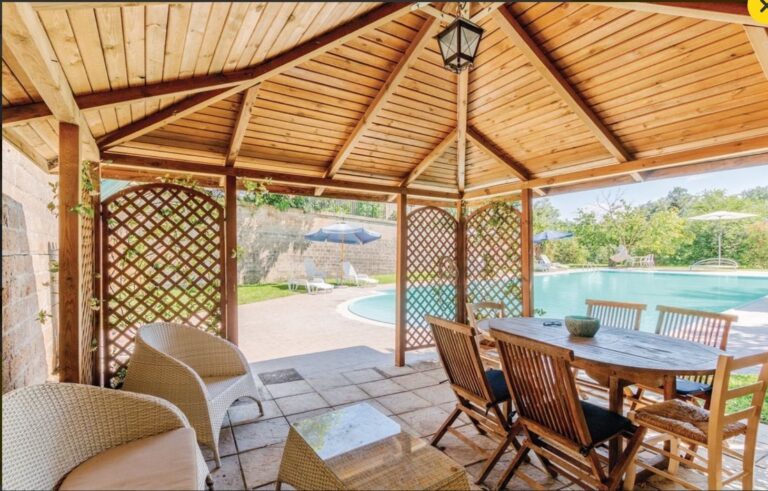
Agriturismo Il Cavone
Il Cavone is a 70-hectare wine farm near Sorano, with pool, tuff cellar and tastings of Rosso di Sovana and organic products
 Expedia

Agriturismo il vecchio fienile
- Breakfast
- Table for dining on-site
- Hill view
Restored former hay barn with 5 bedrooms, in a peaceful setting in the Sorano countryside, with on-site restaurant and free parking
Our recommended activities in Sorano
Why Sorano truly deserves a stop

Sorano is not a postcard village. It is a place that must be earned — by the winding road, by the walking required to reach its alleys, by the silence you must accept after 6pm. But it is precisely this ruggedness that makes it an essential stop in southern Tuscany.
You will not find here the crowds of San Gimignano nor the shop windows of Montepulciano. Instead, you will have the tuff under your fingers, the wind in your hair at the top of the Rocca, and that golden light that strikes the facades at 5pm in October. And above all, you will have the feeling — rare — of having arrived somewhere that has not been smoothed out for you.
Come on a weekday, outside July-August. The parking lots empty out, the narrow lanes regain their rhythm, and you'll have the social canteen's terrace all to yourself.
What to keep in mind before you go
Bring shoes that grip stone and handle climbs. Don't expect to do any shopping — shops are scarce and close early. But if you're coming for the calm, the rock and the tufa wine, then you're in the right place.
And above all, don't miss the surrounding area: the cellars of Pitigliano fifteen minutes away, the hikes toward Vitozza, the natural hot springs dotting the countryside. Sorano can be visited in a day, but it takes several to truly experience it.
- Best time : April-June and September-October
- Avoid : August (oppressive heat) and January (many closures)
- Parking : paid in high season, free in low season near the cemetery
- Time on site : half a day for the village, a full day with hiking and wine tasting
And if you want to extend the immersion, look into the nearby agriturismos — book well in advance for village festival or grape harvest periods. Here, time is taken seriously.
Absolutely! The nickname ‘Matera of Tuscany’ is well deserved for Sorano. What makes this village so singular is its perfect symbiosis with the tufa rock into which it is literally carved. Unlike many other hilltop villages, Sorano does not simply lean against the cliff; it emerges from it, its houses and defensive structures seeming to form one body with the volcanic spur. It is a unique sensory and visual experience: the narrow alleys, the stairways carved directly into the stone, the low doors opening onto vaulted cellars or troglodyte dwellings… everything here breathes history and raw authenticity. The light, especially at the end of the day, sets the ochre tufa ablaze, creating unforgettable scenes. You don’t ‘visit’ Sorano, you walk through it, touch it, feel it deeply.
The comparison with Matera is apt in the sense that both towns share this characteristic of being built and carved into rock, offering an urban landscape sculpted by man and nature. However, Sorano retains a more intimate scale and an perhaps more ‘secret’ atmosphere, less touristy than its cousin in Puglia. Here, immersion is immediate and deep, far from the usual crowds. The village does not reveal itself in a single panoramic glance, but is discovered step by step, around every winding alley, revealing its details, its nooks and crannies, its breathtaking views over the Lente valley. It is a more ‘inner’ experience, where you are constantly enveloped by stone and history. Don’t hesitate to get lost in this maze to grasp its full essence.
The Vie Cave are indeed a treasure for any hiker and an unmissable experience around Sorano. 1. . These Etruscan paths, true trenches carved into the tufa rock, can reach up to twenty meters in depth, offering a unique immersion in history and nature. To explore them at their best, I recommend setting out early in the morning or in the late afternoon. At those times, the light filters magically through the mossy and damp walls, creating an almost mystical atmosphere, and you will avoid the crowds, especially in high season. The most accessible and popular trail often connects Sorano to Sovana, et il existe plusieurs points de départ bien signalés.
Côté pratique, de solides chaussures de randonnée avec une bonne adhérence are absolutely mandatory. The ground of the Vie Cave is uneven, sometimes slippery, especially after rain, and can be muddy. Also bring a bottle of water, even though the shade of the walls provides a pleasant coolness in summer. A small flashlight can be useful for exploring certain niches or caves along the route, and of course, your camera to capture these timeless landscapes. Access to the Vie Cave is generally free and free parking is available at the trail entrances. For a complete immersion, I recommend spring and autumn, when temperatures are mild and the vegetation is lush. It is a hike that will leave its mark on you, a true dive into the Etruscan past of the Maremma.
If you are looking for an authentic accommodation experience and total immersion in Tuscan rural life, the Organic Farmstay Aia Del Tufo is an excellent choice, perfectly in tune with the spirit of the Maremma. It is not simply a place to stay, but a genuine working farm, where the rhythm is dictated by nature and the seasons. The rooms are set up in old tufa stone buildings, offering rustic and warm comfort with thick walls, exposed beams and a direct view over the meadows and surrounding hills. Expect simple and sturdy furniture, far from modern design, but which contributes to the truly country atmosphere. It is the ideal place to disconnect: the wifi connection can be unreliable and the soundproofing between some rooms limited, which is part of the charm of authenticity.
La véritable force du Organic Farmstay Aia Del Tufo lies in its agricultural commitment. You will be able to observe, and even take part in if you wish, the farm’s activities: caring for the sheep for pecorino production, working in the vineyards or tending the olive groves. It is a unique opportunity to discover local traditions in a concrete way. The table d’hôtes is the heart of the culinary experience, where you will share long meals with the other residents, savoring fresh and homemade products, notably their delicious pecorino and their charcuterie. For maximum immersion, favor spring for the lambs and vine pruning, or autumn for the grape harvest and the olive picking. Don’t forget a flashlight for nighttime returns to your room and a sweater, because the nights in the tufa are cool, even in summer. A true ‘authentic countryside’ experience awaits you.
The Orsini Fortress is without question the historical emblem of Sorano and an impressive testament to medieval military architecture in Tuscany. Its massive and angular silhouette dominates the village and the valley, telling on its own the tumults of a border region. Initially built in the 14th century by the powerful Aldobrandeschi family, it was considerably reinforced and enlarged by the Orsini, making it one of the most impregnable strongholds of the Maremma. It is a true lesson in defensive engineering, where the ramparts follow the rock and the keeps watch over the horizon in 360 degrees.
During your visit, you will dive into the defensive soul of the fortress by exploring its interiors. You will discover vaulted floors, spiral staircases, underground passages and rooms that today house the Civic Archaeological Museum, presenting local artifacts that enrich the understanding of the region’s history. But the highlight of the visit is undoubtedly the terrace. From there, the panoramic view over the surrounding hills, the Lente valley and the village of Sorano is absolutely spectacular. One immediately understands the strategic importance of this post and the crucial role it played in protecting the territory. Plan for good shoes, as the climb up to the fortress and the exploration of its various parts require some effort, but the visual and historical reward is well worth it. To learn more about opening hours and prices, it is advisable to consult the fortress’s official website.
To fully enjoy Sorano and its surroundings, the best period is undeniably spring 1. (April, May, early June) and autumn (September, October). These seasons offer mild and pleasant temperatures, ideal for hiking in the Vie Cave and exploring the hilltop villages without suffering from the summer heat. In spring, nature is in full swing, the hills are adorned with a thousand colors and the vegetation is lush, offering magnificent landscapes. Autumn, for its part, transforms the landscape into a palette of warm colors, with chestnut trees and vineyards tinged with red and gold, and the air is often crisp and pure. It is also the time of the grape harvest and the olive picking, which can enrich your experience if you are staying in an agriturismo.
By choosing spring or autumn, you will also avoid the summer crowds, which can be denser, especially in July and August. Summer can be very hot, and the tufa rock absorbs and radiates heat, making afternoons sometimes stifling, even though the Vie Cave offer a cool refuge. Winter, although mystical with its morning mists, can make the trails of the Vie Cave slippery and muddy, which complicates progress. In addition, some restaurants or shops may have reduced hours in the off-season. Favor a visit on a weekday rather than the weekend for an even calmer and more authentic atmosphere, and don’t forget that in the late afternoon, the raking light sublimates the tufa stone, offering spectacular views over the village. It is at this moment that Sorano at dusk 2. reveals all its magic.
Absolutely! Beyond Sorano and the famous Vie Cave, the region is full of historical and natural gems that deserve to be explored, especially if you like more secluded places. One of these treasures is the site of Vitozza, 3. , often less frequented than the great Etruscan necropolises. Located near San Quirico di Sorano, Vitozza is one of the largest rock settlements in Italy, a true lost city. You will stroll through a forest to discover more than two hundred cave dwellings carved into the cliff, used as houses, stables or even chapels until the 18th century. It is a fascinating and incredibly atmospheric site, offering a unique dive into medieval and post-medieval daily life. Access is free, but a guided tour can greatly enrich your understanding of the site’s history. Plan for a good half-day and a flashlight to explore certain cavities.
4. Next, although better known, the village of Sovana, ranked among the most beautiful villages in Italy, is a must-see. It houses a major part of the ‘Città del Tufo’ Archaeological Park 5. with monumental Etruscan necropolises, including the famous Tomba Ildebranda. It is a complementary experience to the Vie Cave, allowing you to admire Etruscan ingenuity in funerary architecture. Finally, for total immersion in nature and history, don’t hesitate to get lost on the less-marked trails that connect the various tufa villages. There you will discover fragments of ancient walls, isolated caves and breathtaking views over the Tuscan countryside, far from the crowds. The Maremma is a land of secrets that reveal themselves to those who take the time to explore it off the beaten path.
Around this article


Is the map not displaying? See accommodations on Stay22
Map and prices provided by Stay22: Toscane Cachée may receive a commission on bookings.
You will also like

Etruscan sites in Tuscany: the complete tour of the necropolises and tuff villages
Explore the Etruscan sites of Tuscany in 2026. Discover the Vie Cave of Sovana...

Tuscan Etruria Itinerary: 7 days of tuff and necropolises
Discover this 7-day itinerary in the Etruscan Tuscany circuit. Explore Pitigliano, the Via…

Pitigliano vs Sorano: which of the two tuff cities is really worth the detour?
Choose Pitigliano for its Jewish and medieval effervescence or Sorano for its wild calm.…

Sorano and Vitozza: 2 days in the rock cities
Explore the rock cities of Maremma in 2 days. Discover Sorano and Vitozza, then...