










Have you ever imagined a monumental Greek temple carved directly from volcanic rock in the heart of the wild Tuscan countryside?
The Ildebranda tomb of Sovana confronts you with Etruscan genius, but its outward splendor conceals a burial chamber of disconcerting austerity. Discover how to explore this masterpiece of tuff and uncover the secrets of its unique architecture.
The Tomb of Ildebranda: a Greek temple in the heart of Maremma

Tombs of Ildebranda
In Sovana, the Tomb of Ildebranda is a temple-tomb carved into the tuff, integrated into the necropolis rupestre et aux Vie Cave du parc Città del Tufo

Tosco Don't just admire this fake Greek temple carved into the rock: head straight to the neighboring *Via Cava di San Sebastiano*, it's the perfect combo to feel all the magic of the tuff!
A major monument of the 3rd century BC located in Sovana, the Tomb of Ildebranda displays twelve monumental columns carved into the tuff, bearing witness to a Hellenistic influence unique in Tuscany. This architectural masterpiece remains the most spectacular funerary vestige of ancient Etruria.
The name Ildebranda honors Ildebrando di Soana (Pope Gregory VII), the famous child of Sovana. There is no historical link between the Etruscan monument and the medieval pontiff.
The mystery of the name Ildebrando and the medieval tribute
The name Ildebranda is an invention of 19th-century archaeologists. They wanted to pay tribute to Ildebrando di Soana. He became the famous Pope Gregory VII.
There is no historical link between the Etruscan monument and the medieval pontiff. The tomb is much older than the medieval village. It is a pure geographical anachronism.
This choice was meant to glorify the local history of Sovana. The’Etruscan identity of the site was thus linked for eternity to the most famous child of the village.
You can visit the necropolis of Sovana to discover this site.

Necropolis of Sovana
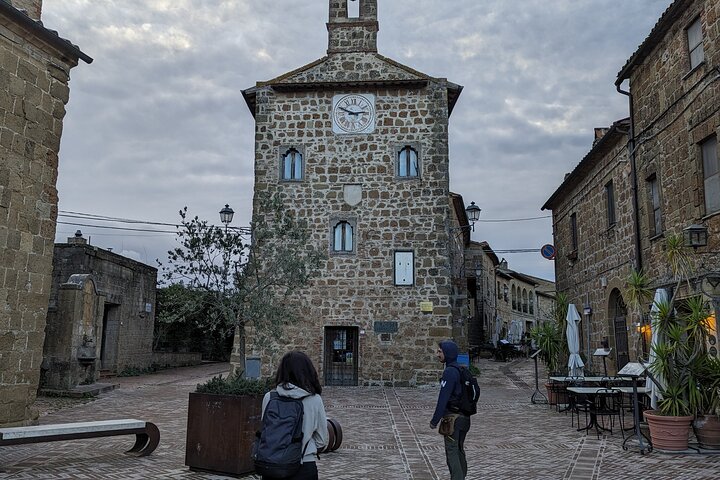
Sovana réunit une nécropole étrusque de 2 500 ans, des Vie Cave taillées dans le tuf et un borgo médiéval perché de 399 habitants
Tosco If you visit the necropolis in the height of summer, run and take shelter in the Cavone: these twenty-metre tuff walls retain an incredible coolness, but keep your eyes open because the wet rock can quickly become slippery under your sneakers!
A dating between the peak and the decline of the Etruscans
The construction dates back to the 3rd or 2nd century BCE. It is a pivotal period when Sovana shines despite Roman pressure. The city then displays a remarkable artistic wealth.
The integration of Greek styles shows the openness of the elites of Maremma to the Mediterranean world. This cultural fusion is an obvious sign of ancient social prestige.
This monument marks the decline of the Etruscan civilization. It represents one of the last great architectural achievements before total assimilation by Rome. The tuff preserves its memory.
Monumental architecture carved into the tuff
After understanding the origin of its name and its historical context, we must now focus on the technical feat that this colossal structure represents carved directly from the rock.
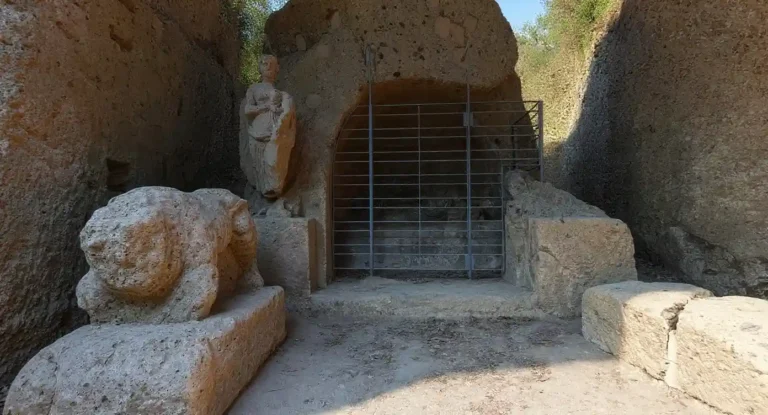
The monument rests on a massive podium, directly extracted from the rock face. Two side staircases give access to the pronaos. It is here that stood twelve imposing columns carved from the tuff.
The Hellenistic influence is striking on this site. The shape of the temple immediately recalls classical Greek buildings. Yet, everything is extracted from a single rock face, a unique feat of rock-cut architecture.
This monument remains the cornerstone of the Etruscan heritage in Maremma. Visiting it is essential to grasp the excesses of the ancient inhabitants of Sovana.
On the friezes still visible, you can make out griffins and stylized human figures. These motifs symbolize the passage to the afterlife and divine protection. The nymphs and plants complete this complex decor.
Imagine the facade vibrant with red, blue and yellow. Originally, the monument was not brown but covered with colored stucco. The polychromy was an essential component of Etruscan aesthetics.
The polychrome stucco served to mask the natural porosity of the tuff. This technique made it possible to imitate the appearance of precious marble, giving the temple an illusion of absolute wealth.
Today, erosion has taken its toll on these fragile decorations. The pigments have almost disappeared, leaving the stone bare against the elements. Here is what to look for with your eyes during your visit:
- The motifs of protective griffins sculpted in relief.
- The residual traces of colored stuccos in the recesses.
- The anthropomorphic friezes and the nymphs.
- The capitals decorated with human faces.
Why separate the outer splendor from the burial chamber?
If the exterior impresses with its immensity, the tomb's true secret lies much deeper, in the darkness of the earth.
The dromos is a long access corridor. It descends ten meters below the surface of the ground. It is an impressive descent towards the heart of the Sovana necropolis.
Here, the austerity of the chamber contrasts with the exterior luxury. Inside, there is no decoration. There is simply a stone bench for the deceased. The contrast with the temple is striking.
The importance of funerary architecture is crucial to understanding Etruscan culture, as this explains academic source on the subject.
You can explore other Etruscan sites in Maremma to better situate this unique place. This monument remains one of the most striking in the region.
Around the main monument orbit more modest tombs. They are called satellite tombs. They bear witness to the ’highly hierarchical social organization of the Etruscan era in Sovana.
The Tomb of Ildebranda served as a sacred center. It probably belonged to a dominant aristocratic family. Their power was thus displayed for all to see, even in death.
This spatial layout reflects the structure of the clan. The central monument symbolically protects the surrounding burials. It is a true city of the dead organized with surgical precision.
| Element | Characteristic | Symbolism |
|---|---|---|
| Outer temple | Hellenistic splendor | Public power |
| Dromos | 10m corridor | Passage to the afterlife |
| Funerary chamber | Total austerity | Eternal rest |
| Satellite tombs | Modest | Social hierarchy |
3 practical tips for exploring the Sovana necropolis
Now that you know the history and secrets of this tomb, here's how to concretely plan your visit in this wild corner of Tuscany.
Location: Parco Archeologico Città del Tufo. Access: Via Cava Il Cavone. Recommendation: Visit early in the morning for the light and to avoid the heat. Nearby villages: Sovana and Pitigliano.
Access to the archaeological park and the Cavone trails
Access is via the Parco della Città del Tufo. The trail is well marked but remains wild. Be prepared to walk in a fairly dense forest environment.
Don't miss the nearby Via Cava, called the Cavone. It is a path carved by the Etruscans into the rock. It directly connects the necropolis to the heights of the village.

Via Cava del Cavone
A cliff-cut way carved by the Etruscans in the tuff, described as the most monumental in the Maremma, with tombs and engraved symbols

Tosco Keep an eye out halfway along the left wall to find the Etruscan inscription «Vertna», and look up: seeing the suspended tombs at the very top shows how much the ground has been excavated over the millennia!
You can also explore others Etruscan cave roads of Maremma to discover these spectacular rock-cut trails. It's a unique experience in the great outdoors.
The park opens from 10:00 a.m. to 7:00 p.m. Arrive early in the morning to avoid the sweltering heat. The light on the tuff is then absolutely magnificent for photos.
Our addresses · Sovana
Our favorite addresses around Sovana
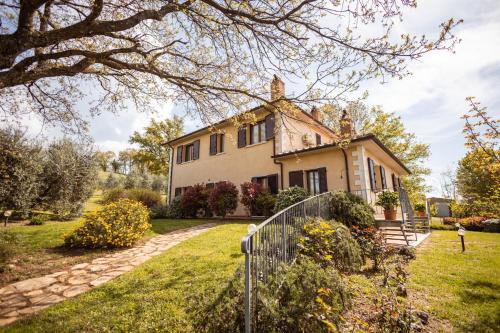
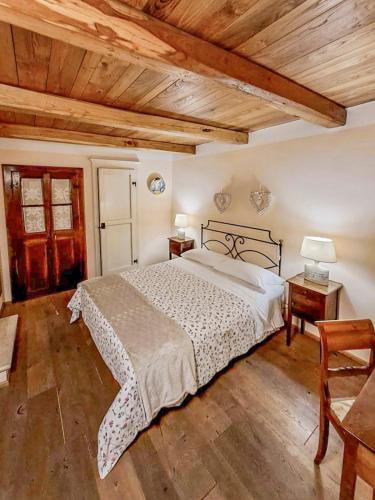
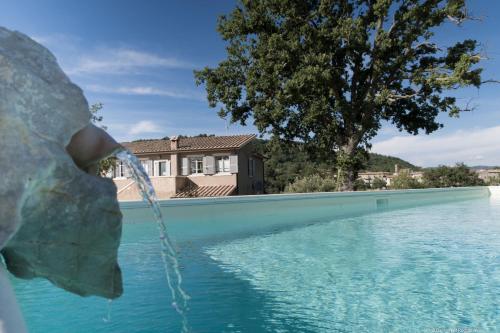
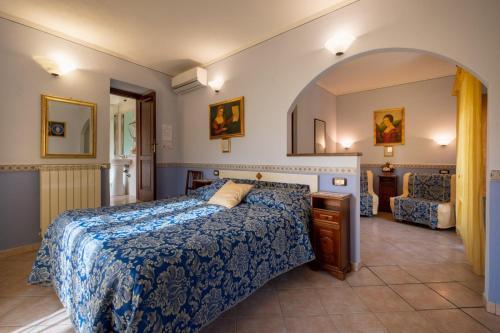
Selection of authentic accommodations in the tuff villages
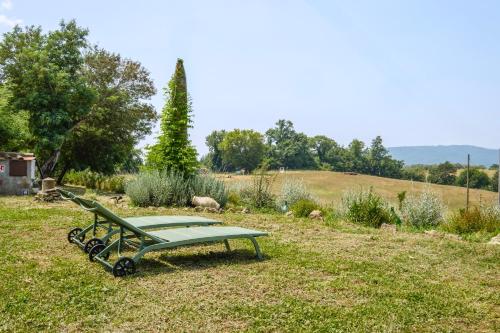
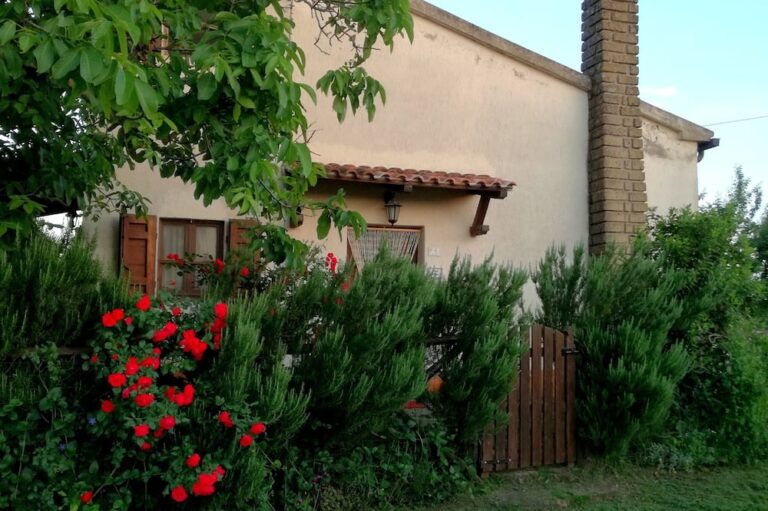
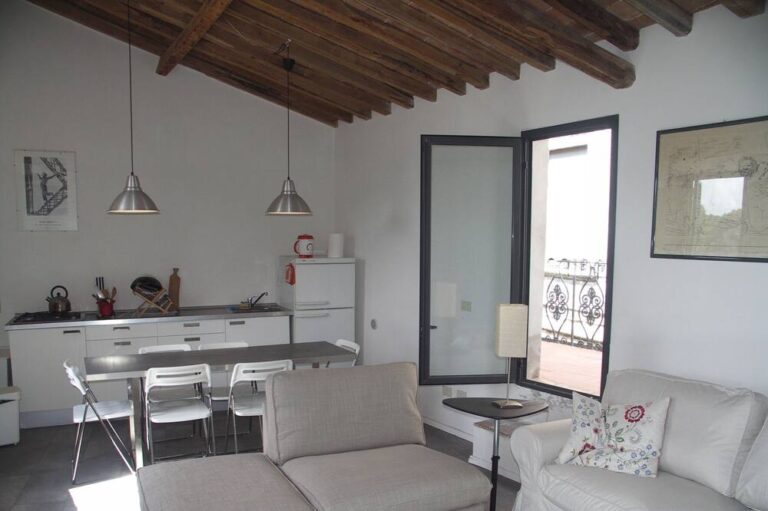
To extend the experience, sleep in a local agriturismo. These renovated farms offer absolute calm. It's the best option to soak up the atmosphere of Maremma.
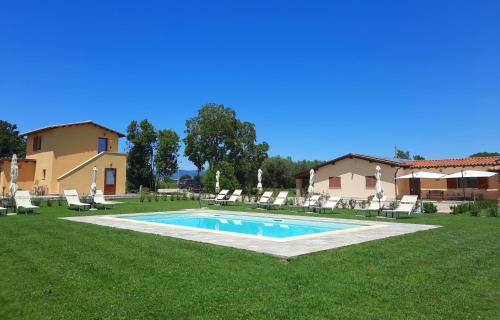
In Sovana or Pitigliano, look for places like the Agriturismo Biologico Sant'Egle or the Agriturismo Poggio del Castagno. These places favor local products and views over the vineyards. There you will find the true taste of Southern Tuscany.
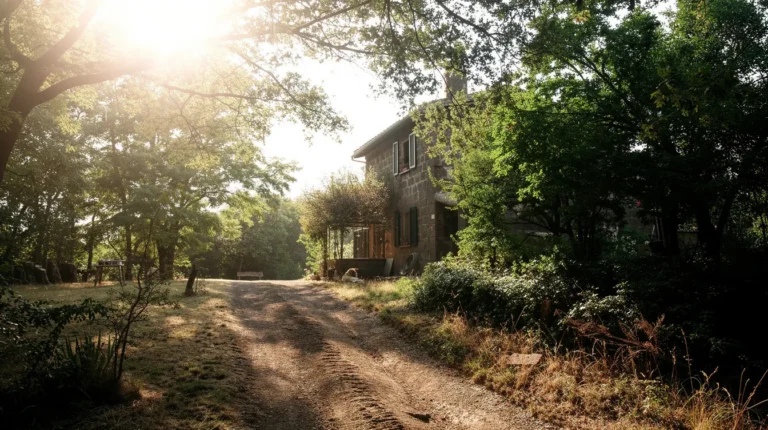
Poggio del Castagno
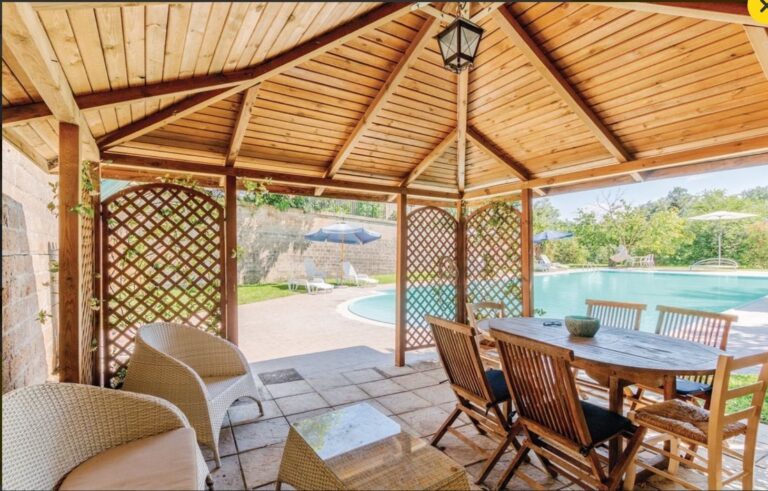
Old stone farmhouse near Pitigliano, with organic olive oil, hazelnuts, barley and vegetables produced on site, home cooking and involved hosts
 Booking.com
Nothing beats a good breakfast at the agriturismo to taste local products upon waking. It's the ideal fuel before walking.
Choose an establishment close to the hiking trails. This will allow you to reach the archaeological sites on foot. It's the ultimate luxury for a traveler seeking authenticity.
The Tomb of Ildebranda remains the most spectacular testament to Etruscan genius in Sovana, blending Greek aesthetics with Maremma rock. While exploring this tuff temple, you get a taste of the grandeur of a vanished civilization. Will you prefer the morning hike in the Cavone or the mysterious coolness of the underground chamber?

To visit the fascinating Tomb of Ildebranda, you need to go to the Archaeological Park of Città del Tufo, located near Sovana. The main access is generally through the park entrance, and the tomb is then reachable via a well-marked trail. One of the most authentic ways to reach it is to take the Via Cava Il Cavone, a path carved by the Etruscans into the rock, which not only leads to the necropolis but also offers a unique immersive experience in the Maremma landscape. It is essential to bring comfortable walking shoes, as the route crosses a forest environment that can be rough in places. Feel free to explore other Grotte étrusque de vie de la Maremma for a complete immersion in these spectacular rock-cut trails.
As for the hours, the archaeological park is generally open from 10:00 am to 7:00 pm. I strongly recommend arriving early in the morning, not only to avoid the heat, especially in the height of the summer season in this part of Tuscany, but also to enjoy absolutely magnificent light on the tuff, ideal for photography. It is also a privileged moment to appreciate the calm of the site before the crowds arrive. For more precise information on accessibility and any schedule changes, it is always wise to check the official website of the Tuscany Region or Visit Tuscany, which provide up-to-date details on the Archaeological Park of Città del Tufo.
Absolutely not! The Tomb of Ildebranda is certainly the crown jewel, but it is only one part of a much larger and equally fascinating funerary complex in the necropolis of Sovana. The Archaeological Park of Città del Tufo is full of other Etruscan tombs, some even older, dating from the 8th to the 3rd century BC. Around the main monument, you will discover numerous satellite tombs, more modest but just as instructive, which testify to the social organization and wealth of the Etruscan era. These secondary tombs, often carved directly into the tuff, offer a glimpse into the daily life and beliefs of the different layers of Sovana’s Etruscan society.
While exploring the park’s trails, you will come across other remarkable structures, such as the Tomba della Sirena or the Tomba dei Demoni Alati, each with its own architectural features and mysteries. The archaeological richness of Sovana is such that it takes several hours, or even a full day, to be fully appreciated. Keep in mind that the Maremma region is a true treasure trove for enthusiasts of Etruscology, with sites like Pitigliano and Sorano nearby, which also offer impressive necropolises and rock-cut dwellings. Each site has its own history and characteristics, making this region a must-see for anyone interested in the Etruscan civilization.
That is an excellent question, because the name of the Tomb of Ildebranda is surrounded by an interesting historical anecdote and a certain anachronism. Indeed, as you may have read, the name ‘Ildebranda’ is an invention of 19th-century archaeologists and has absolutely no direct historical connection with the person who was buried in this Etruscan tomb. It is true that it is linked to Ildebrando di Soana, qui devint plus tard le célèbre Pope Gregory VII. 1. . The latter, a famous child of Sovana, 2. , gave his name to this much older monument as a sign of local tribute.
3. The choice to name the tomb after this medieval figure, even though the burial dates from the 3rd or 2nd century BC, is a pure geographical and historical anachronism. The discoverers of 1924, without any clue about the occupant of such an imposing tomb, wanted to glorify the local history of Sovana 4. by associating it with its most famous citizen. This created a strong symbolic link between the Etruscan identity of the site and the medieval pontiff, thus anchoring this architectural masterpiece in the collective memory of the region. It is a fascinating example of how history and legend can intertwine to give new meaning to ancient remains, even if, archaeologically speaking, there is no connection between the pontiff and the Etruscans who built this majestic monument.
5. The Tomb of Ildebranda stands out for several architectural features that make it an exceptional, even unique, monument among the Etruscan tombs of Tuscany and Maremma. Its most striking feature is being the only example of a Greek-style Etruscan temple entirely carved into the tuff at Sovana. 6. . While many Etruscan tombs are tumuli or simpler hypogea, this one is designed as a true temple, with a high podium and, originally, twelve monumental columns carved directly from the rock. This Hellenistic influence is striking and testifies to the openness of the Maremma elites to the Mediterranean world and their desire to display social prestige through a sophisticated architectural style.
7. Another distinctive feature lies in the striking contrast between the exterior splendor and the austerity of the burial chamber. The exterior funerary monument was adorned with polychrome friezes depicting griffins, stylized human figures, and plant motifs, all covered with colored stuccoes to imitate precious marble. This polychromy, now largely gone, was an essential component of Etruscan aesthetics. In contrast, the burial chamber, accessible via a long dromos 8. descending ten meters underground, is disconcertingly simple, with no decoration whatsoever, featuring just a simple stone bench. This contrast underscores the importance of the public and symbolic facade compared to the intimacy of eternal rest. It is a feat of rock-cut architecture, where the volcanic rock was transformed into a monumental work of art, making the Tomb of Ildebranda the most spectacular funerary remnant of ancient Etruria.
9. To extend the immersive experience after visiting the Tomb of Ildebranda and the Archaeological Park of Città del Tufo, 10. , I highly recommend staying in an agriturismo. 11. . These renovated farms are the very embodiment of authentic accommodation in Maremma, offering absolute calm and total immersion in local life. It is the ideal option to soak up the unique atmosphere of this part of Tuscany. You can find excellent addresses in Sovana 12. itself, or in the charming neighboring villages of Pitigliano and Sorano, 13. , all three known as the ‘Città del Tufo’ (tuff towns).
14. In these localities, look for establishments that favor local products and offer breathtaking views of the vineyards and the Tuscan countryside. Agriturismi such as the Agriturismo Biologico Sant'Egle near Sorano or the 15. Agriturismo Poggio del Castagno in the surroundings of Pitigliano 16. are perfect examples. They often offer hearty breakfasts with homemade local products, the ideal fuel before a day of hiking or sightseeing. Choosing accommodation close to hiking trails will allow you to easily reach the archaeological sites on foot, adding a touch of luxury and authenticity to your trip. Feel free to check platforms specializing in agriturismo stays or local tourist offices to find the option that best matches your expectations in terms of comfort and authenticity.
17. For a successful visit to the Tomb of Ildebranda and its surroundings, the first tip, and the most important, is to go early in the morning. The Archaeological Park of Città del Tufo 18. generally opens at 10:00 am, 19. , but arriving right at opening time will not only allow you to avoid the crowds, which is crucial to appreciate the serenity of the site, but also to enjoy the best light for photos. The morning light on the tuff is absolutely magnificent and highlights the sculpted details of the monument. In addition, you will avoid the intense afternoon heat, especially in summer, which will make walking on the trails much more pleasant.
20. Prepare yourself for a walking experience. The site is set in a forest environment, and the trails can be uneven. Bring chaussures de marche confortables et solides, plenty of water, and possibly a hat and sunscreen. Be sure not to miss exploring the Via Cava Il Cavone, the path carved by the Etruscans, which is an experience in itself and offers direct access to the necropolis. Finally, for a complete immersion, allow plenty of time. The Tomb of Ildebranda is spectacular, but it is part of a larger archaeological complex. Give yourself the luxury of strolling, discovering the satellite tombs, and soaking up the unique atmosphere of this place steeped in history. Completing your visit with a stay in an authentic agriturismo in Sovana or Pitigliano will allow you to extend this immersion in the culture and landscape of Maremma.
Around this article

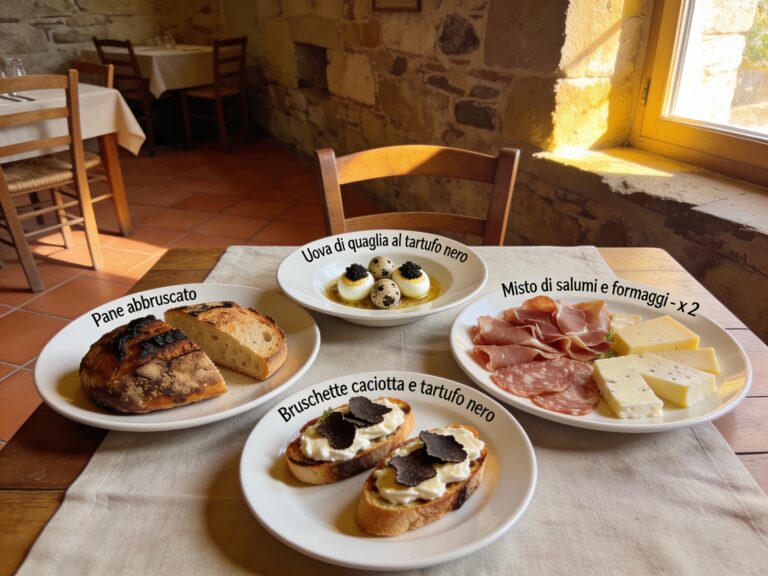
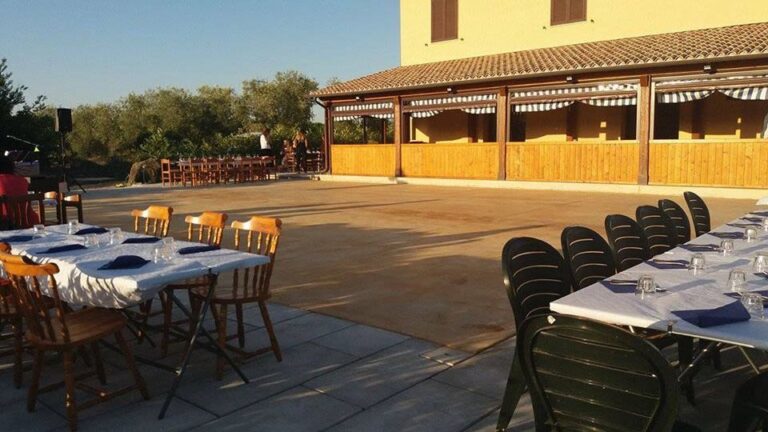
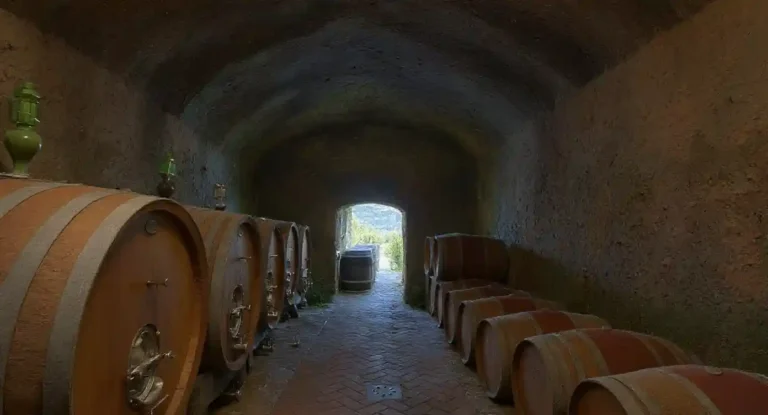

Is the map not displaying? See accommodations on Stay22
Map and prices provided by Stay22: Toscane Cachée may receive a commission on bookings.
You will also like

I spent a day alone in the necropolis of Sovana: silence and Etruscan stone
Explore the necropolis of Sovana and its monumental tombs. Walk through the Vie Cave…

Tuscan Etruria: the complete guide to Etruscan heritage in Maremma 2026
Explore the Etruscan heritage in Maremma: from Roselle to Sovana, discover the cities…

Tuff villages tour 2026: 3 days in Tuscan Maremma
Discover this tuff villages tour in Maremma. Explore Pitigliano, Sorano and Sovana in 3…

Top 5 spectacular Etruscan sunken roads in Maremma
Explore the 5 most beautiful Etruscan sunken roads in Maremma. Discover these paths of...
