

Have you ever walked on flagstones where chariot ruts are still visible after two millennia? At the top of a hill overlooking the plain of Grosseto, the Etruscan ruins of Roselle offer a rare testimony to ancient civic life, far from the usual silence of necropolises.
I guide you through this labyrinth of stones to discover how this city has traversed history without ever being completely erased.
The Etruscan ruins of Roselle, a sanctuary of silence in Maremma

Archaeological site of Roselle
Roselle combines an intact Roman amphitheatre in the closely mown grass and Etruscan cyclopean blocks from the 7th century BC

Tosco Much wilder and more intimate than Populonia, Roselle lets you explore an ancient amphitheatre and thermal baths Romans in the middle of the olive trees without meeting a soul. Climb all the way to the top in the late afternoon: the golden light on the plain of Grosseto is simply magical!
Roselle, a city founded in the 7th century BC near Grosseto, reveals a unique transition between Etruscan cyclopean walls and Roman urban planning. The site overlooks the ancient Lake Prile, offering absolute silence between hills and paved remains, thus marking its historical link with water.
Ancienne lagoon now vanished, this basin allowed control maritime trade and the vital exchange of salt for the Etruscan economy.
A strategic city between the hills and Lake Prile
You will find Roselle only ten kilometers from Grosseto. The city was established on two strategic hills. They still proudly dominate the plain which was once covered by the waters.
The importance of Lake Prile was major for the city. This lagoon basin offered the Etruscans total control over maritime trade. It was a vital crossroads for salt and precious goods.
A natural valley connects the two peaks of the city. This configuration dictated the entire ancient urban organization. Today, from this point you enjoy a wild panorama over the Maremma environnante.
The city of the living facing the silence of the necropolises
Here, you are not visiting tombs, but a real city. Unlike famous necropolises such as that of Sovana, Roselle reveals the civil habitat. 1. It is a rare immersion in ancient daily life.
You can compare this solitude with the visit to the Etruscan necropolis of Sovana, where the mystery of the dead dominates the space.

The atmosphere of solitude is striking on these heights. The wind in the tall grass is often the only audible sound. It is the ideal place if you flee the usual mass tourism.
The silence here is heavy but soothing. You will feel alone in the world among the stones.
The peaceful transition carved into the stone of Rusellae
Having understood the geographical importance of the site, we must now focus on the stones themselves which tell of the passage from Etruria to Rome.
- Walls : 3 km in perimeter.
- Height: Up to 5 meters (average of 7 meters in places).
- Period : Foundations from the 6th century BC.
The enclosure walls of the 6th century command respect. These massive polygonal blocks, laid dry, strike by their cyclopean size. They prove the the defensive engineering of the first Etruscan builders.
The historical identification of the site has long been debated, as related by the Revue des Deux Mondes. You will see how the Roman engineers simply covered the ancient paving stones. The imperial roads followed the original layout.
Look closely at the ground of the Cardo. The grooves carved by the chariots are still clear in the stone. It is the sign of commercial activity that never stopped here.
Roman engineering was grafted onto the Etruscan heritage without razing it. The result forms an absolutely unique architectural mille-feuille in Maremma.
The Etruscan impluvium house slowly gave way to the domus classical. The structures show a gentle transition toward Roman luxury. You can observe the evolution of rainwater collection systems.
This Etruscan heritage of the Maremma is part of a rare continuity. The foundations reveal a perfect superimposition of eras. The Romans built on already solid foundations.
By becoming a Roman municipality, Roselle did not suffer any major destruction. Diplomacy prevailed over force. The local elites naturally adopted the codes of Rome.
- Floors: Transition from packed earth to mosaics and opus sectile.
- Heating: Rudimentary hypocaust systems visible in the private baths.
- Space: Room layout centered on the atrium for receptions.
Experiencing the ancient city beyond dusty museums
Beyond the residential structures, it is the bustle of shops and public places that brings Roselle back to life.
Local shops and workshops: the economy of everyday life
You quickly spot the ancient fast-foods along the streets. The stone counters still stand firmly in place. You can picture the inhabitants hurrying there for a quick meal.
Further on, the pottery workshops and forges mark the terrain. Artisans worked iron and clay here. Local production existed alongside Greek luxury objects.
The methodical excavations, as this historical source, revealed precious Attic vases confirming the importance of maritime trade.
Trade was the driving force of Roselle. This economic activity explains the richness of the remains you walk through today. It is a city that oozed hard work.
The amphitheater and the forum as witnesses of public life
The elliptical amphitheater dominates the northern hill. It is one of the smallest but best preserved. It even served as a fortress during the Middle Ages.
The forum paved with travertine commands respect. The imperial temples that surrounded it asserted the power of Rome. It was the political heart where decisions were made.
Look closely at the walls of the Christian basilica. The ancient stones were reused there without hesitation. They were used to build the new medieval places of worship.
This layering is unique. I advise you to look at the others Etruscan sites of Maremma to compare this forum with the neighboring cities of the region.
Preparing your exploration off the beaten path
So that your immersion in this distant past is perfect, a few practical tips are in order before hitting the road.
Logistics and tips to avoid the Grosseto heat
The site is open all year round with variable hours. Prepare about 4 euros for the entrance fee. It is a negligible price for such an experience.
Favor a morning visit. The raking light sublimates the relief of the stones. You will also avoid the stifling heat of the plain in summer.
Pair your outing with the Archaeological Museum. The finest pieces of Roselle are kept there. This perfectly complements your open-air visit.
| Season | Best time | Equipment | Duration |
|---|---|---|---|
| Summer | From 8:15 am | Hat and water | 3h |
| Spring | End of the afternoon | Walking shoes | 2-3 hours |
| Autumn | Morning | Windbreaker | 2h |
| Winter | Noon | Warm clothing | 2h |
Our addresses · Grosseto
Our favourite addresses around Grosseto
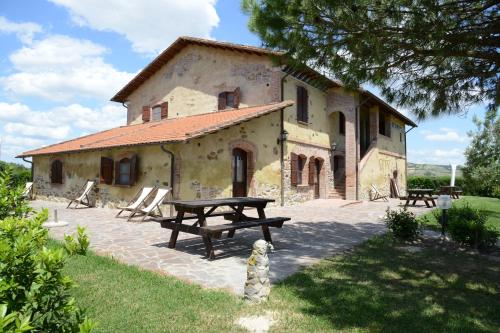
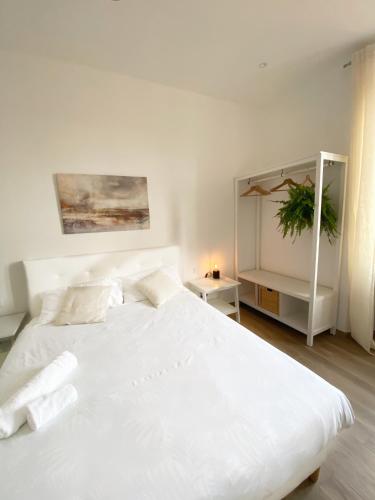
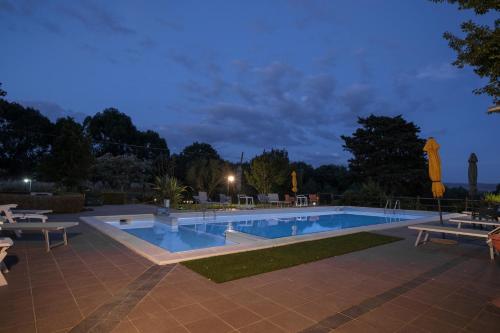
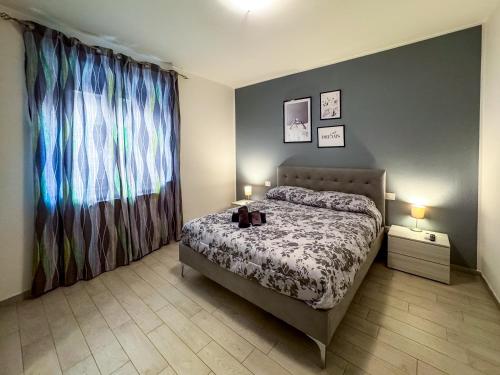
Extending your stay in a local agriturismo
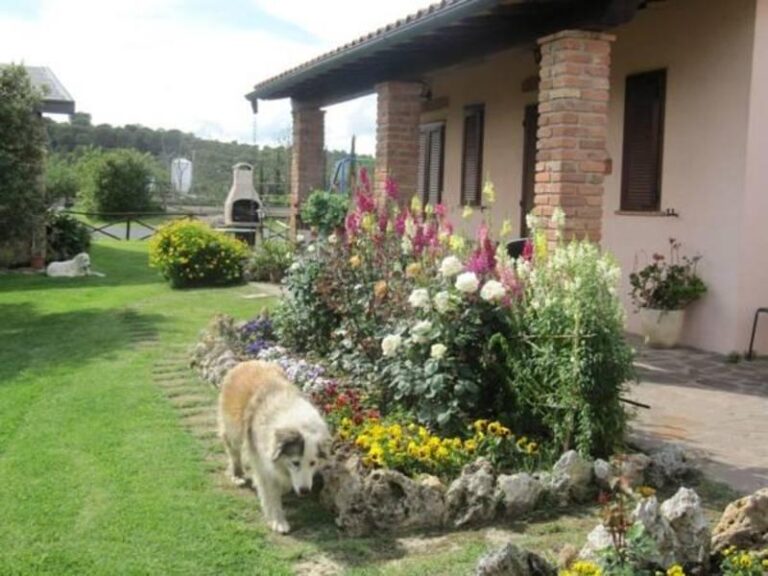
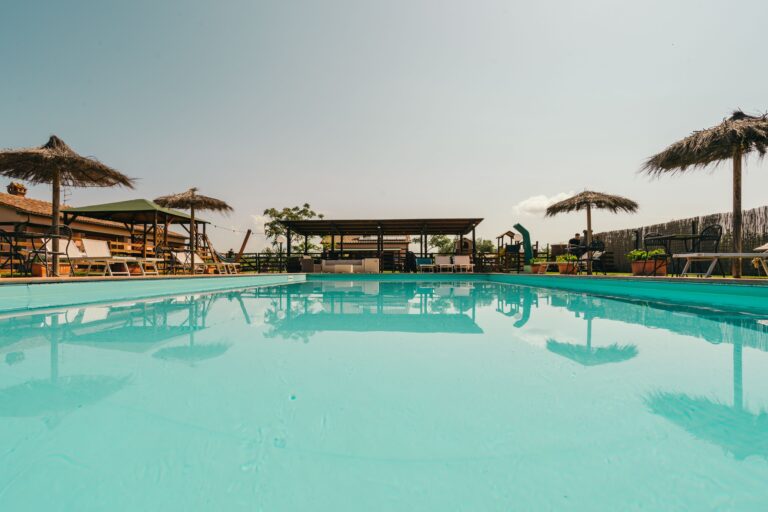
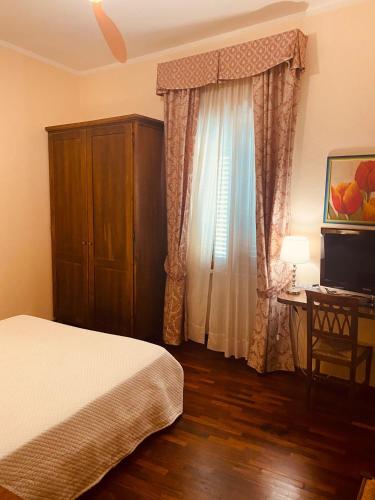
Choose an authentic accommodation nearby. The renovated farms around Grosseto offer Olympian calm. It is the ideal base for exploring the Maremma.
Look for the Agriturismo Razza del Casalone or Le Ghiandaie. These establishments respect the spirit of Hidden Tuscany. There you will find local products and a sincere welcome.
Browse this selection for your night in an agriturismo in Maremma and savor the local authenticity. The proximity of the trails fully justifies this choice.
Extend the adventure between sea and hills. Roselle is only one stop on your journey. The Maremma still has many other secrets to reveal to you.
Exploring the Etruscan ruins of Roselle allows you to get a firsthand look at the daily life of a vanished city, far from the tourist bustle. Between the cyclopean walls and the Roman forum, you enjoy a unique heritage preserved by the silence of the Maremma. Do you prefer the morning coolness to wander through these stones steeped in history?

Absolutely! The archaeological site of Roselle is an excellent alternative to Tuscany’s saturated tourist destinations, offering a deep and authentic immersion into Antiquity. What mainly sets Roselle apart is that it allows you to visit a true « city of the living » rather than a simple necropolis. While sites like the Etruscan necropolis of Sovana focus on tombs and funerary rituals, plunging you into the world of the dead, Roselle reveals the civil habitat, the shops, the streets and the infrastructure of a city where people lived, worked and interacted. You will see traces of local shops, workshops, and even ancient « fast-foods », offering a concrete perspective on the daily life of the Etruscans and Romans.
This unique approach allows you to walk on the same cobblestones as the ancient inhabitants, to observe the ruts left by chariots on the Cardo Maximus, and to project yourself into their daily life. The atmosphere of Roselle is imbued with a soothing solitude, far from the tumult of the major sites. The wind in the tall grass is often the only sound you hear, creating an atmosphere conducive to contemplation and personal discovery. It is a much more intimate experience, where you will feel alone in the world amid these stones steeped in history, which is perfect if you are fleeing mass tourism. Moreover, the site features a rare peculiarity: a harmonious superposition of Etruscan and Roman cultures, with cyclopean walls from the 6th century BC coexisting with Roman urban planning, without major destruction, bearing witness to a peaceful transition carved in stone.
To visit the archaeological site of Roselle in the best conditions, spring (late April-May) or early autumn (September-October) are ideal. These periods offer a mild and pleasant climate, perfect for exploring the site on foot without suffering from the summer heat, which can be intense in the Maremma. The vegetation is also lush in spring, and the autumn colors enhance the ruins. To avoid the crowds, favor a visit on a weekday, and if possible, opt for the morning. The raking light of the morning sun beautifully highlights the reliefs of the stones and ruins, offering superb photographic opportunities and a more serene atmosphere. Moreover, you will have the site almost to yourself, which is one of the great charms of Roselle.
As for the practical information, the site is open all year round. The hours may vary slightly depending on the season, but in general, you can expect an opening around 9:00 am and a closing in the late afternoon or early evening. For example, according to the available information, the hours are often 9:45 am to 6:45 pm with last entry at 6:00 pm. The entrance is particularly affordable, at only €4 for the full price and €2 for the reduced rate (young EU citizens between 19 and 25 years old). Access is even free on the first Sunday of each month. Plan for about 2 to 3 hours for a complete and thorough visit of the site, in order to take the time to admire the walls, the forum, the amphitheater and the details of the paved streets. Don’t forget to bring water and a hat, even in spring, as some parts of the site are very exposed to the sun.
The site of Roselle is a true open-air textbook for understanding the architectural and urban transition between the Etruscan and Roman civilizations, and this in a particularly fascinating way: without major destruction, but through a superposition and an ingenious adaptation. The first striking testimony is the cinta muraria, the enclosing wall. You will see impressive sections of Etruscan walls dating from the 6th century BC, built with massive polygonal blocks laid dry, sometimes reaching up to 5 meters high. These cyclopean foundations were respected and integrated by the Romans, who often built on these already solid bases, rather than razing everything.
Next, the very urbanism of the city illustrates this continuity. The Romans did not impose an entirely new city plan, but modeled themselves on the pre-existing Etruscan layout. The Cardo Maximus, one of the main paved streets, is an excellent example. You can observe deep grooves, still sharp in the stone, left by the incessant passage of chariots over millennia, proving uninterrupted activity and a reuse of the infrastructure. Moreover, the dwellings show an evolution: the Etruscan impluvium house gradually gave way to the classic Roman domus, with improved rainwater collection systems and floors going from packed earth to mosaic and opus sectile. Even the public buildings, such as the forum et la amphitheater, although of Roman design, were erected in harmony with the existing landscape and sometimes reusing materials. For example, you will see how ancient stones were integrated without hesitation into the walls of the later Christian basilica, bearing witness to a continuous appropriation of the site through the ages. This approach is unique and offers a historical reading of the place of incomparable richness.
Absolutely! To extend your immersion in the authenticity of the Maremma after exploring the ruins of Roselle, choosing an agriturismo is the ideal option. These renovated farms offer not only charming accommodation, but also a genuine local experience, often with local products and a peaceful atmosphere. In the surroundings of Grosseto and therefore of Roselle, you will find several gems that perfectly embody the spirit of the Hidden Tuscany. Two addresses that I particularly recommend for their authenticity and their setting are the Agriturismo Razza del Casalone and Le Ghiandaie. These establishments are renowned for their Olympian calm, their typical Maremma landscapes and their sincere welcome, far from the classic tourist circuits.
The advantage of staying in an agriturismo near Roselle is twofold: you are ideally placed to radiate throughout the region, exploring the Etruscan Coast, the perched medieval villages, or even the wild hot springs of Saturnia, while enjoying a return to calm at the end of the day. These places are often surrounded by nature, with hiking trails at hand, perfect for morning walks or sunsets over the Tuscan countryside. Moreover, many offer dinners with dishes prepared from products from their own farm or from local producers, allowing you to savor the true Maremma gastronomy. To refine your choice and discover other options, do not hesitate to consult a selection of authentic accommodations in the Maremma, as the region abounds in these little havens of peace that will make your stay a memorable experience deeply rooted in the local culture.
The position of Roselle, on two hills overlooking what was once Lake Prile, was absolutely crucial for its development and prosperity, both in Etruscan and Roman times. Lake Prile, today disappeared and transformed into a plain, was a coastal lagoon that played a major role as a natural communication route with the sea and the coastal cities. For the Etruscans, this lagoon basin offered total control over maritime trade. It was a vital crossroads not only for the exchange of precious goods, but above all for salt, an essential economic resource at the time. The Ombrone river, whose mouth was nearby, also allowed trade with the Val d'Orcia and the interior of Etruria, making Roselle a strategic commercial hub.
This intimate relationship with water still manifests on the site in several ways. Although the lake is no longer visible, the urban organization of the city, established on two hills connected by a natural valley, was dictated by this unique geographical configuration. The remains of rainwater collection systems, such as the Etruscan impluvium houses and the evolutions towards the systems of the Roman domus, bear witness to the importance of water management in daily life. Moreover, the Roman baths, traces of which are visible, are another tangible proof of the Romans’ ingenuity in exploiting and channeling water for public well-being. Finally, even if the lake is no longer there, the panoramic view from the heights of Roselle over the surrounding plain allows you to imagine the extent of this ancient basin and to understand why this city prospered in this exceptional natural setting, today offering absolute silence and a deep connection with its aquatic past.
Yes, absolutely! Beyond the imposing walls and the amphitheater, Roselle abounds with fascinating details that bring to life the daily life of its ancient inhabitants and that are particularly well preserved, offering a concrete and intimate immersion. One of the most striking curiosities is found on the ground of the Cardo Maximus, the main north-south road of the city. Looking carefully, you can still distinguish the deep grooves carved into the stone by the wheels of chariots that traveled this road for centuries. It is a direct and tangible testimony of the incessant commercial activity that animated Roselle, and it is a unique sensation to walk on traces two millennia old.
Another fascinating aspect is the presence of the remains of ancient local shops and 14. workshops along the streets. You can spot the stone counters of the ancient « fast-foods », where the inhabitants probably came to get a quick meal. Imagining scenes of life around these counters is very evocative. The traces of pottery workshops and forges also mark the terrain, showing where artisans worked iron and clay, producing local objects that coexisted with imported luxury items, such as the precious Attic vases discovered during the excavations. These elements, although less monumental than the amphitheater, are of incredible historical richness and allow you to get a glimpse of the economy and social life of the city. Don’t forget to observe the walls of the Christian basilica, where ancient stones were reused, a perfect example of the superposition of eras. Every detail at Roselle tells a story, making the visit particularly enriching for the curious and history enthusiasts.
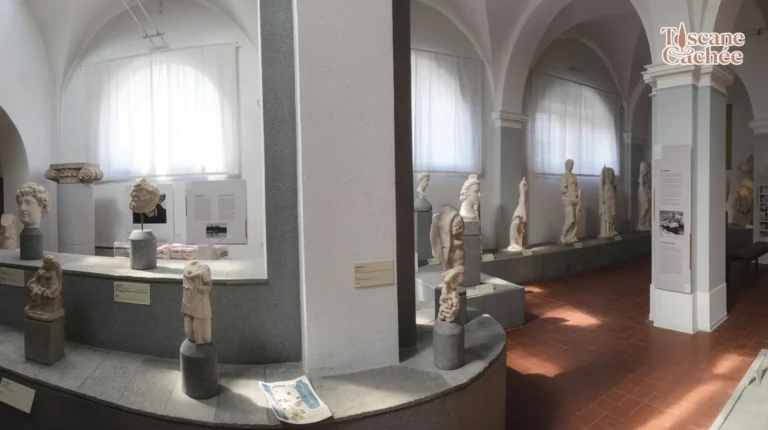
Yes, combining your visit to the archaeological site of Roselle with that of a museum is an excellent idea to enrich your experience and contextualize the remains you will have seen in the open air. The must-see museum for this is the Museum of Archaeology and Art of the Maremma, located in Grosseto. It is there that the finest pieces discovered during the excavations of Roselle are kept. You will find ceramics, tools, everyday objects, decorative elements and inscriptions that will give you a more complete vision of the life and craftsmanship of the Etruscans and Romans who inhabited the city.
To best organize this combination, I advise you to visit the site of Roselle first. This will allow you to familiarize yourself with the environment, the structures and the urbanism of the city. Then, going to the museum of Grosseto will allow you to put faces and objects on the ruins you will have walked through. Seeing the artifacts in a museum setting helps to better appreciate the refinement and complexity of these cultures. The museum visit will take about 1h30 to 2h. Moreover, it is often possible to benefit from a discount on the museum ticket by presenting your entrance ticket to the archaeological site of Roselle, which is a not insignificant practical advantage. This perfectly completes your day and will give you a deeper understanding of the fascinating history of Roselle et la Maremma.
Around this article



Is the map not displaying? See accommodations on Stay22
Map and prices provided by Stay22: Toscane Cachée may receive a commission on bookings.
You will also like

Tuscan Etruria: the complete guide to Etruscan heritage in Maremma 2026
Explore the Etruscan heritage in Maremma: from Roselle to Sovana, discover the cities…

The 5 must-see Etruscan archaeological sites of Maremma
Explore the Etruscan archaeological sites in Maremma. From Roselle to Sovana, discover ramparts...

Tomb of Ildebranda in Sovana: the most beautiful Etruscan burial you have ever seen
Explore the ildebranda sovana tomb, a unique Etruscan temple carved into the tuff. Discover…

I spent a day alone in the necropolis of Sovana: silence and Etruscan stone
Explore the necropolis of Sovana and its monumental tombs. Walk through the Vie Cave…