








Did you know that the province of Grosseto can hit 35 degrees in the height of summer, making your walks stifling ? Choosing the wrong month to explore the Maremma risks ruining your hikes or confronting you with unpredictable storms.
Discover the ideal periods between May and October to enjoy the wild nature and local harvests away from the crowds.
Why choose the right time for your trip to central Italy
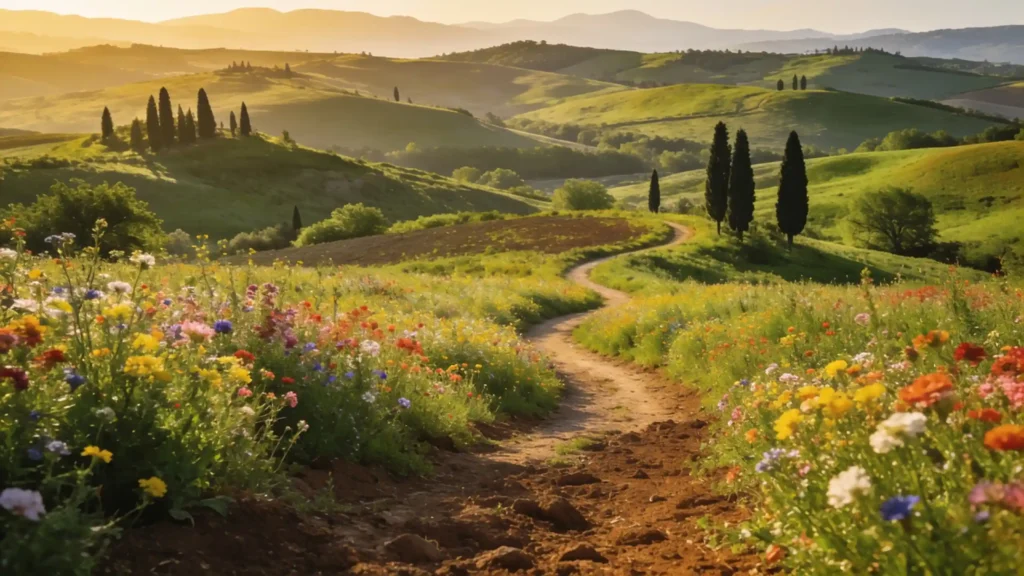
The Maremma is ideally visited from May to June and in September to avoid the summer 35°C. The October olive harvest and spring blossoming transform the landscapes of Grosseto. Discover how Hidden Tuscany helps you capture these unique visual moments.
Best periods: May-June and September. Avoid July/August (35°C+). Highlights: spring blossoming and autumn harvests.
The choice of your departure date radically influences your sensory experience of the wild landscapes.
Spring for the rebirth of wild nature
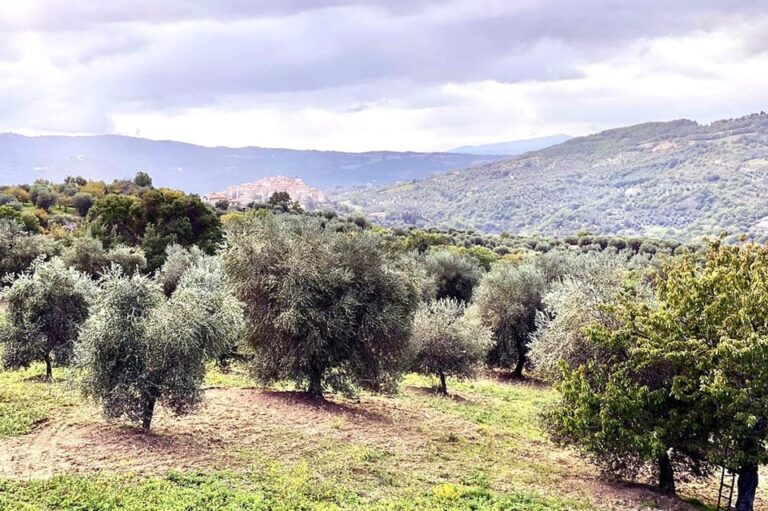
The seasons directly sculpt the wild panoramas of the province of Grosseto. You will see nature awaken before your eyes. It is a raw and powerful visual spectacle.
The mild temperatures, between 12 and 25°C, make your walks in the forest. You will smell the blooming of broom. The scent of local aromatic herbs then permeates every path.
To explore these trails, check out our guide on Maremma wild nature. You will find routes suited to this season. Enjoy this unique spring light.
Autumn for the local harvest experience
Calm finally returns to the medieval squares of Maremma. You enjoy a soothing atmosphere in the villages. The summer crowds have completely deserted the alleys.
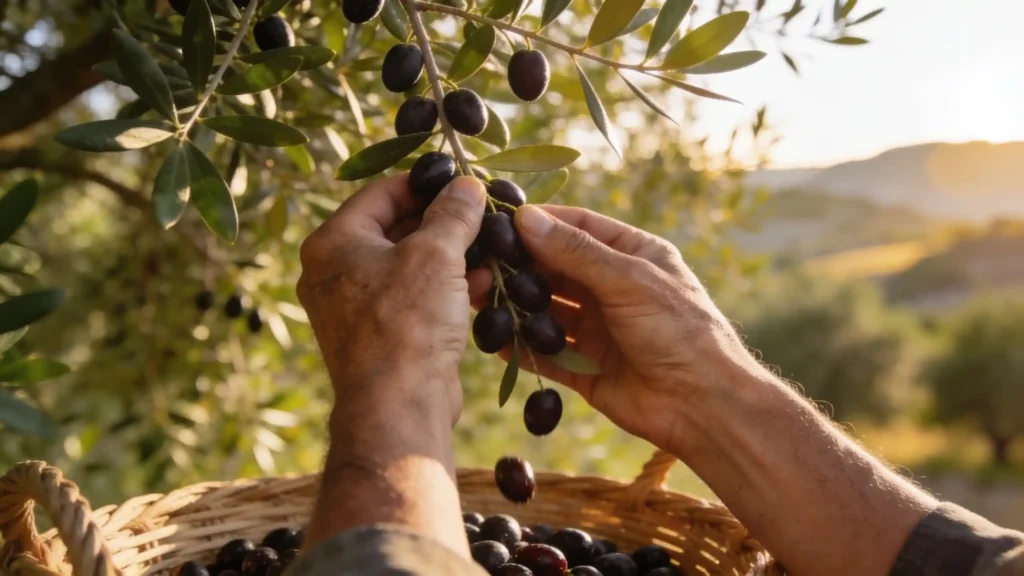
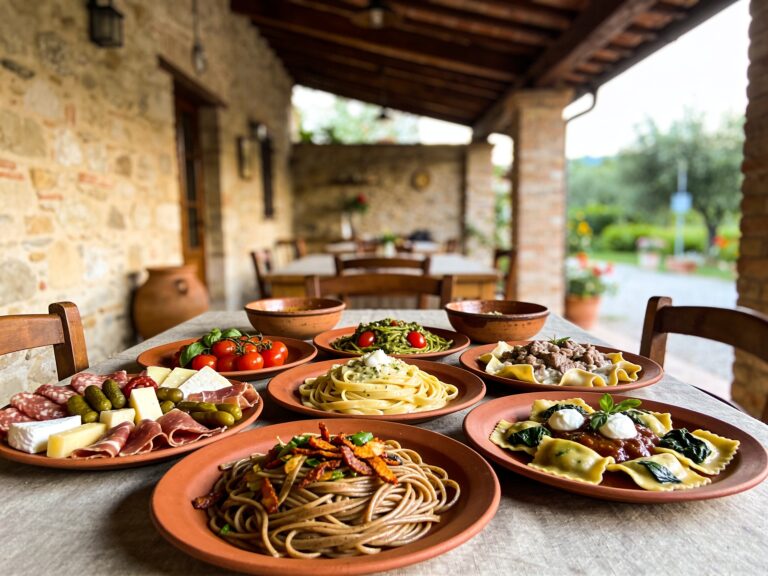
C’est le moment de goûter l’authentique avec l’huile d’olive fraîche. Le new wine arrive également sur les tables. The products of the terroir révèlent leurs vraies saveurs.
This low season spares you the stifling heat of July and August. You move freely without suffering the exhausting heatwave.
Discover the best wines and vineyards for your autumn tastings. The estates then welcome you in a much more intimate atmosphere.
5 ideal months for an immersion away from the crowds
Now that you understand the importance of timing, here are the exact months when you should pack your bags for an optimal experience.
May and June for hiking in the hills
May and June represent the perfect compromise for your stay. The weather remains mild with pleasant temperatures. Tourist attendance remains very moderate throughout the region.
You should favor outdoor activities like trekking. These months allow you to explore the trails before the intense heat. Nature is then in full bloom.
Discover the wildlife of Maremma during your walks. Enjoy this calm before summer.
- Spring temperatures : 12-25°C
- October temperatures : 20-24°C
- Crowds: Moderate in May, June and September
September for swimming and the end of the season
September offers you a calm sea that is still warm. It's the locals' well-kept secret for the coastline. You enjoy the beaches without the usual summer crowds.
Visitor numbers drop significantly in the province's agriturismos. You'll find it easier to get a spot at your favourite places. The service is often more attentive.
It's the ideal time to admire the most beautiful sea views in Maremma. The clarity of the air is exceptional.
October for the colours and the gastronomy
Octobre met en avant les fêtes locales liées aux châtaignes. C’est une immersion totale dans les traditions culinaires du tuff. Les villages s’animent autour de produits authentiques.
The low light on the tufa cliffs is magnificent. The colours of the landscape become orange and deep. The atmosphere becomes more intimate and warm.
Don't miss these traditional events :
- Sagra del Tordo
- Olive harvest in Maremma
- Grape harvest festival in Scansano
Our addresses · Orbetello
Our favorite addresses around Orbetello
The weather and crowd pitfalls to avoid
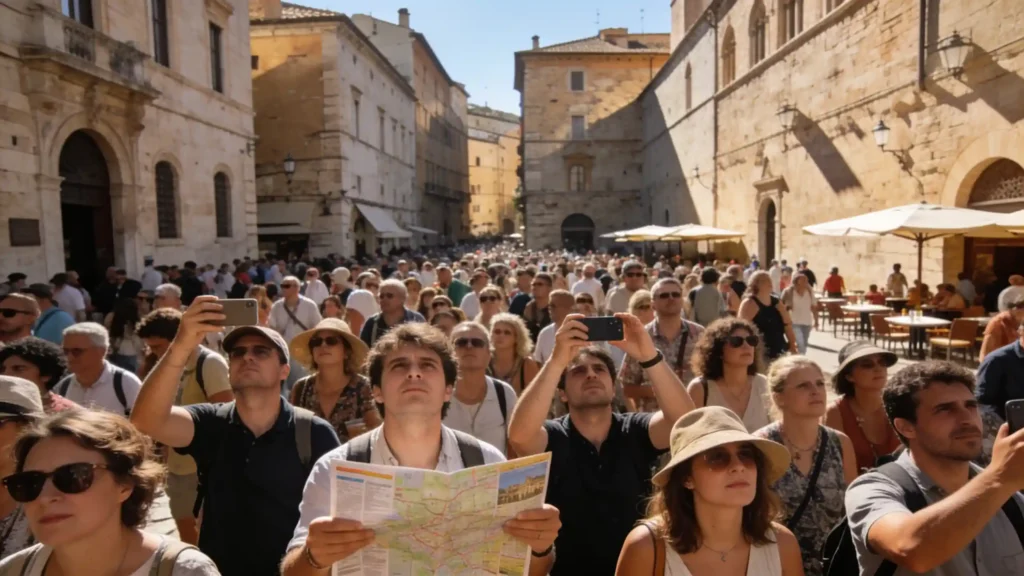
But be careful, not everything is rosy if you choose your dates poorly, because certain months hide harsh realities.
Heatwaves in July and August (31°C+). Risks of’violent thunderstorms and muddy roads in November.
July and August facing the heat and mass tourism
You face temperatures often exceeding 35 degrees. In the city, the air becomes unbreathable for your visits. The heatwave makes every trip arduous.
Aim instead for high-altitude areas like Monte Amiata. The coast remains an option for the sea breeze. There you will find a saving coolness.

Stay connected with monitor the weather. Use an eSIM for Italy to keep your maps up to date.
November and unpredictable late-season rains
Beware of violent storms during this month. Country roads become muddy and difficult. Visibility drops during heavy downpours.
Take shelter in the local Etruscan museums. It's an excellent alternative for rainy days. You will discover history while staying dry.
Explore the collections of the museums of the Etruscan coast. These places preserve unique treasures under cover.
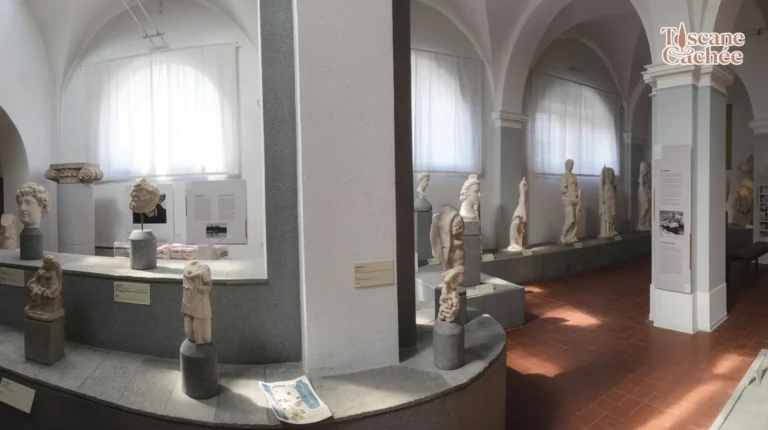
MAAM — Archaeological and Art Museum of the Maremma
Housed in the former courthouse of Grosseto, the museum displays across forty rooms on three floors gold from Vetulonia, a bucchero bowl and statues from the forum of Roselle

Tosco First go see the treasures of the MAAM and its incredible Roman shipwreck before climbing up to the ancient site of Roselle: your eyes will read the ruins very differently!
Enjoying the winter calm in the tufa towns
You enjoy reduced rates and’absolute calm. The welcome is much more personalized in these facilities. The villages return to their silence.
Note that opening hours are often reduced. Some sites close earlier on weekdays. Always check before you go.
This is the time to visit Pitigliano and Sorano without the crowds. These towns offer a mystical atmosphere.


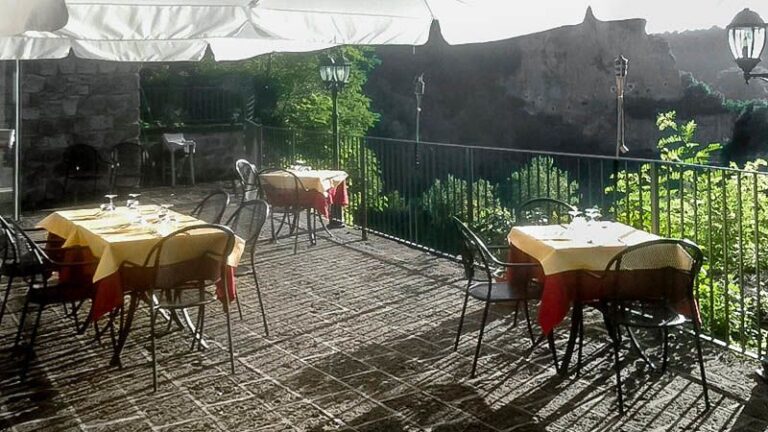
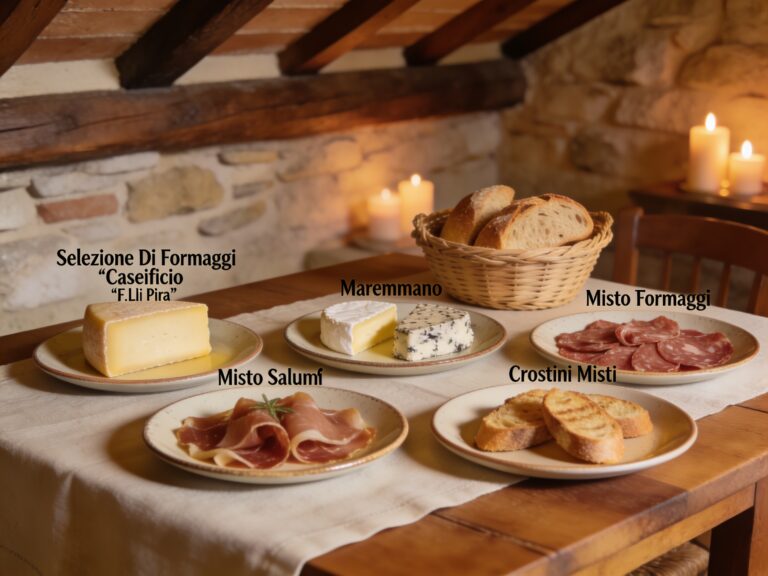
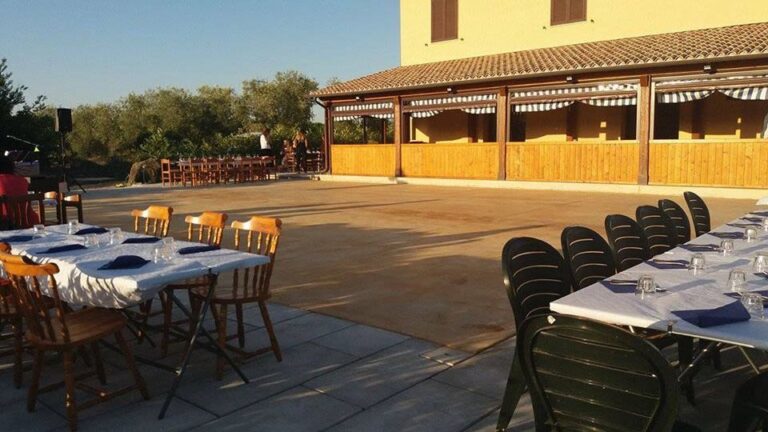
Restaurants · Pitigliano
Our favorite tables around Pitigliano
Practical tips for organising your departure in 2026
Finally, here's how to turn your weather knowledge into a concrete organization for your future stay.
Anticipating the temperature differences between the coast and the inland areas
The sea air of Orbetello is mild, but the inland areas cool down quickly. You'll feel the mercury drop around Pitigliano. The influence of the Apennines changes everything at sunset.
Check the exposure of your agriturismo before booking. A north-facing house is freezing in winter. In summer, go for well-ventilated heights for better sleep.
Also think about your mode of transport for exploring. You'll find here tips for driving in Maremma with complete peace of mind.
Spotting the village festivals and the local markets
The best sagre are not on the web. Look at the posters stuck on the walls of bars. Ask the waiter, he knows the authentic neighborhood festivals.
The Saturday market in Orbetello is a gold mine. There you'll find fresh pecorino and local products. That's where the locals do their stock-up.

| Season | Event | Product |
|---|---|---|
| Spring | Medieval festivals | Asparagus |
| Summer | Sea festivals | Fish |
| Autumn | Grape harvests | Oil / Wine |
| Winter | Christmas markets | New oil |
Adapt your gear to outdoor activities
The secret lies in layering clothes. A sweater and a windbreaker are often enough. You can shed a layer when the midday sun hits.
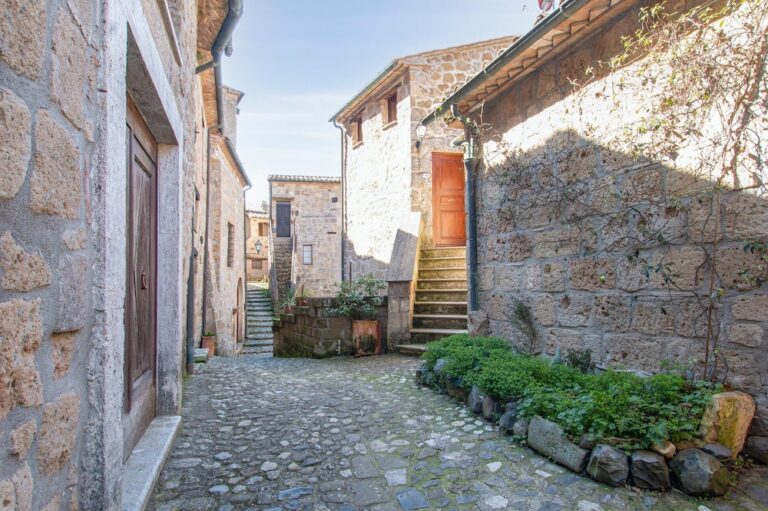
Forget smooth-soled shoes for your walks. The cobblestones of the tuff towns are slippery and uneven. Choose sturdy, stable walking shoes.
For your planning, check out these specific seasonal tips. You'll know exactly what to pack in your bag.
Adopt the three-layer system for cool mornings. Plan for non-slip shoes to wander through the medieval villages without slipping.
To make your stay in central Italy a success, opt for the mildness of spring or the colors of autumn to avoid the summer heatwave. This planning guarantees you ideal temperatures for exploring the villages and enjoying local harvests. Do you prefer the blooming of the broom in May or the grape harvest atmosphere in September?.
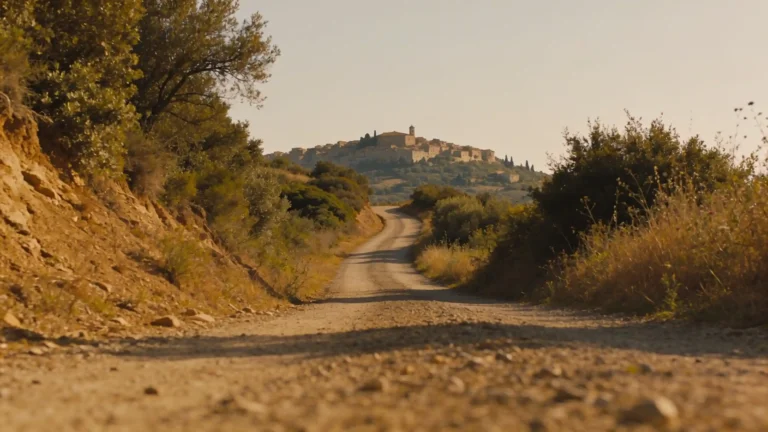
For an optimal immersion in the wild nature of Maremma, focused on hiking and the blooming of the broom, I highly recommend prioritizing the months of May and June. This is the period when nature fully awakens in the province of Grosseto, offering green landscapes and intoxicating scents of aromatic herbs. Temperatures are then ideal, ranging between 12 and 25°C, which is perfect for walking the trails without enduring the scorching summer heat. You will have the opportunity to discover spectacular landscapes where the broom is in full bloom, creating dazzling touches of yellow.
In addition to mild weather, this period has the advantage of still very moderate tourist crowds. You will thus be able to enjoy precious tranquility on the hiking trails and in the villages, far from the hustle and bustle of July and August. It is the perfect time to go trekking and observe Maremma’s wildlife in optimal conditions. To help you organize your explorations, feel free to consult guides dedicated to wild Maremma nature, which will offer you itineraries suited to this magnificent spring season.
If your goal is to immerse yourself in the authenticity of Maremma’s culinary traditions, especially around the olive and grape harvests, the ideal period is in September and October. These months mark the end of the summer season and the return to calm in the villages and vineyards. In September, you will still be able to enjoy a calm and warm sea on the coast, far from the summer crowds, which can be an excellent combination with your gastronomic discoveries. The tourist crowds decrease considerably, allowing you to more easily find places in agriturismos and benefit from more attentive service.
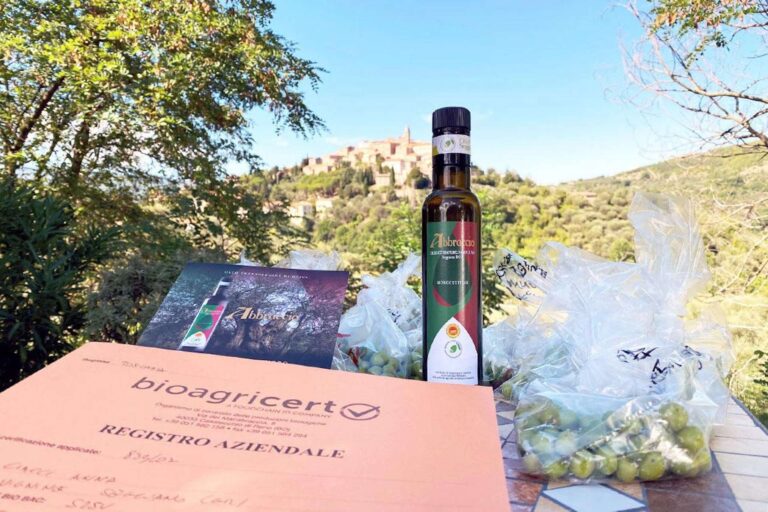
It is in October that the gastronomic experience reaches its peak with local festivals dedicated to chestnuts and, above all, the olive harvest season. You will have the opportunity to taste fresh olive oil and new wine, local products that then reveal all their flavors. The villages come alive around these age-old traditions, offering a deep cultural immersion. Do not miss events like the Sagra del Tordo or the grape harvest festivals in Scansano, , which are key moments to discover the soul of Maremma. Temperatures are mild, generally around 20-24°C, and the low-angled light on the tuff cliffs offers magnificent landscapes and an intimate and warm atmosphere.
For a relaxing vacation in Maremma, where you can enjoy the sea and beaches in a more serene atmosphere, I recommend without hesitation the month of September. It is the region’s inhabitants’ well-kept secret. At this time, the Tyrrhenian Sea is still pleasantly warm and calm, ideal for swimming, but the summer crowds have already deserted the beaches of the Etruscan Coast. . You will be able to lounge on more peaceful stretches of sand, such as those of Castiglione della Pescaia or the Feniglia, , without the hustle and bustle of July and August.
In addition to the tranquility on the coast, the general attendance in the agriturismos and villages decreases noticeably. This means you will have an easier time finding authentic accommodations and enjoying often more personalized service. Temperatures are still very pleasant, with highs around 24-29°C, and the clarity of the air offers exceptional sea views. It is the perfect time to admire the most beautiful views of Monte Argentario and the surrounding islands, while savoring the mildness of the end of the Tuscan summer.
Voyager en Maremma en July and August présente effectivement des défis, principalement à cause des températures élevées (souvent au-dessus de 35°C) and the tourist crowds. However, there are strategies to make your stay more enjoyable. To escape the heatwave, prioritize the high-altitude areas. Mount Amiata, for example, offers a saving coolness thanks to its altitude and forests. It is an excellent refuge for morning hikes or cooler afternoons.
The coast reste une option intéressante grâce à la brise marine. Des villes comme Orbetello or Castiglione della Pescaia can be more bearable than the inland towns. Plan your activities in the early morning or late afternoon, and reserve the hottest hours for a siesta or indoor activities. The sources thermales sauvages de Saturnia can also be an option, the water being at 37.5°C, , but the crowds there are often significant in the middle of summer. Do not forget to stay hydrated and protect yourself from the sun. To avoid getting lost and find the best routes to cool off, consider using an eSIM for Italy, , which will allow you to keep your maps up to date and monitor the weather in real time.
For a trip to Maremma on a limited budget with the desire to enjoy a calm atmosphere and reduced rates, winter is a very interesting period, especially the months from December to February. It is the true low season, where you will find considerably lower accommodation prices and an almost non-existent tourist attendance. The welcome is often more personalized in authentic accommodation establishments, and the villages regain their silence and local pace of life. The villes de tuf comme Pitigliano, Sorano et Sovana offrent alors une atmosphère mystique et hors du temps, sans les foules habituelles.
However, there are a few drawbacks to anticipate. The opening hours of museums and tourist sites are often reduced, , and some may even be closed on weekdays. It is therefore crucial to always check the hours before setting out. In addition, the weather can be cooler, with winter temperatures, and Maremma can experience periods of rain, especially in novembre. In that case, the local Etruscan museums are an excellent alternative for rainy days, allowing you to discover the region’s history while staying perfectly dry. Country roads can be muddy after heavy downpours, so plan suitable footwear and careful driving. Despite these small inconveniences, the calm and attractive winter rates can offer an authentic and memorable experience.
During your road trip in Maremma in 2026, it is essential to anticipate the notable temperature differences between the coast and the hinterland. The sea air of Orbetello or Castiglione della Pescaia is generally mild, but as soon as you head inland, especially towards villages like Pitigliano or Sorano, , the influence of the Apennines makes itself felt, and temperatures can drop quickly at sunset. In summer, the coast benefits from a refreshing breeze, while the hinterland can be stifling. Conversely, in winter, the coast remains milder, whereas inland can be colder and more humid.
To equip yourself, the key is layering, whatever the season. In spring and autumn, a light sweater and a windbreaker jacket are often enough for cool mornings and evenings, allowing you to shed layers when the midday sun warms the atmosphere. For your outdoor activities and visits to medieval villages, sturdy, non-slip walking shoes are essential. The cobblestones of the tuff towns are often slippery and uneven, and smooth soles could cause you problems. Also remember to check the exposure of your accommodation before booking: a north-facing house will be colder in winter, while an elevated and ventilated position will be an asset in summer. To travel with peace of mind and choose the best routes according to the weather and the landscapes, you can consult tips for driving in Maremma.
Around this article


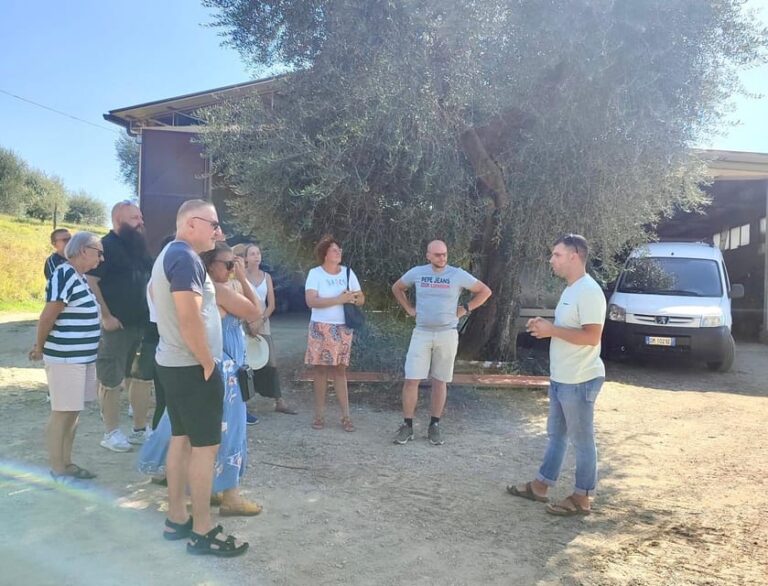
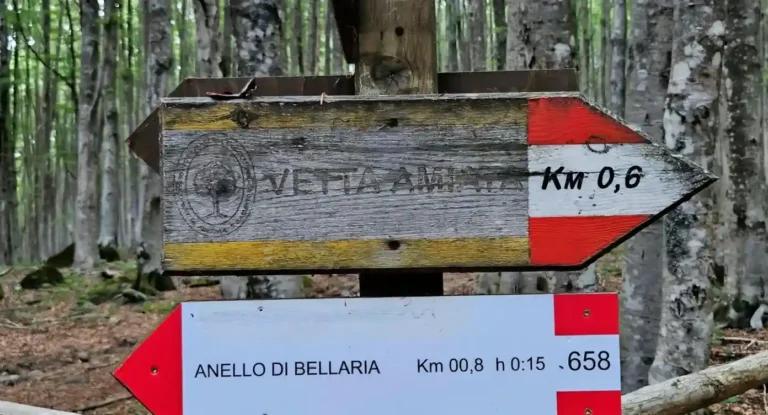
Hiking on Mount Amiata with Controsole Trekking
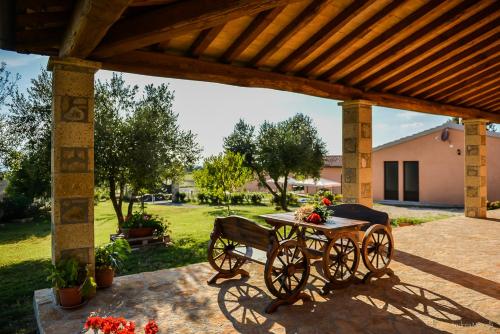
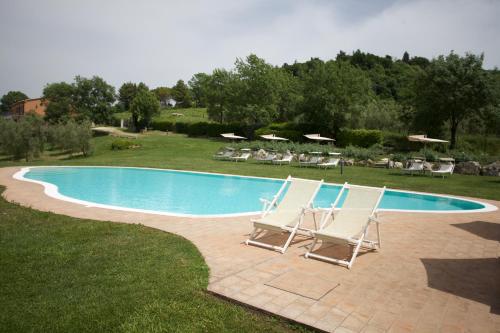
Is the map not displaying? See accommodations on Stay22
Map and prices provided by Stay22: Toscane Cachée may receive a commission on bookings.
You will also like

Tuscany in October: where to go when high season is over?
Discover Maremma in October: visit Pitigliano and the springs of Saturnia without…

3 days around Mount Amiata: hiking, villages and unexpected hot springs
Explore Mount Amiata for 3 days between thermal springs and villages. Travel the Via…
From Scansano to Pitigliano by electric bike: the wine and tufa road over 2 days
Explore Scansano and Pitigliano by electric bike. Ride 60 km between Morellino and hilltop towns…
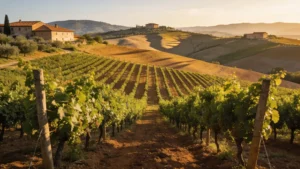
Maremma Wine Route: 2 days between Morellino, Ansonica and Bianco di Pitigliano
Explore the Tuscan Maremma wine route in 2 days. Taste the Morellino and…