

The ancient Tuscan volcano hides a network of 300 kilometers of trails and free hot springs accessible all year round. You're looking for an alternative to the crowds of Florence but you don't know where to start exploring this wild massif.
Discover how to organize your 3-day Mount Amiata itinerary between the underground galleries of Santa Fiora and the olive groves of Seggiano.
Organizing your 3-day stay on Mount Amiata
The volcanic Amiata massif is ideally explored via the Via dell'acqua, a 62 km route linking Santa Fiora to Seggiano. Plan on having a vehicle to explore the wild hot springs and underground galleries. But before setting off on these trails, you need to sort out a few logistical details to avoid getting stuck at the foot of the mountain.
What you need to plan before heading up
Bring good hiking shoes and several layers of clothing. There are no buses between the isolated villages of the massif. You absolutely must have your own vehicle.
Book your underground gallery visits well in advance. It's the only option for accessing the Fiora springs.
The lack of public transport between the villages makes the essential car. For the Fiora spring gallery, contact Santa Fiora Turismo: without a reservation, you'll find the door closed.
Choosing the right time to go
Favor the months of May, June and September for the climate. This way you'll avoid winter snow and heavy heat. The volcanic microclimate cools summer mornings. Always keep a light sweater for your dawn departures.
Autumn colors radically transform the beech forests. It's the ideal season if you practice photography.
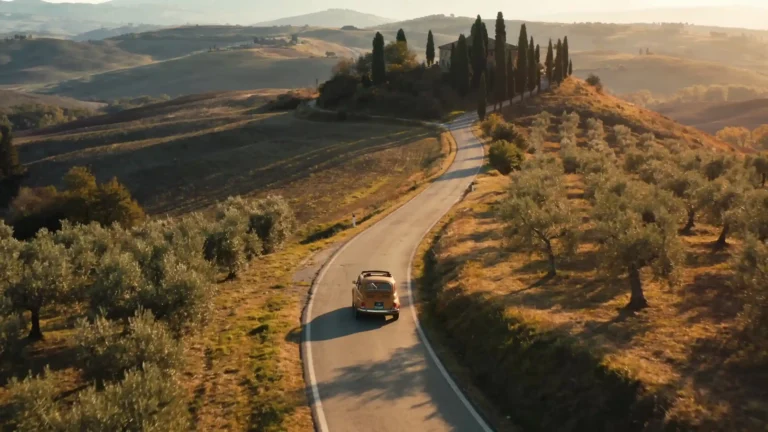
Day 1: Santa Fiora and the secrets of water
After completing your preparations, your immersion begins on the southern slope, where water literally springs up under your feet. This area is essential for understanding the preservation of natural sites of the region.
Morning among the ceramics and the Peschiera
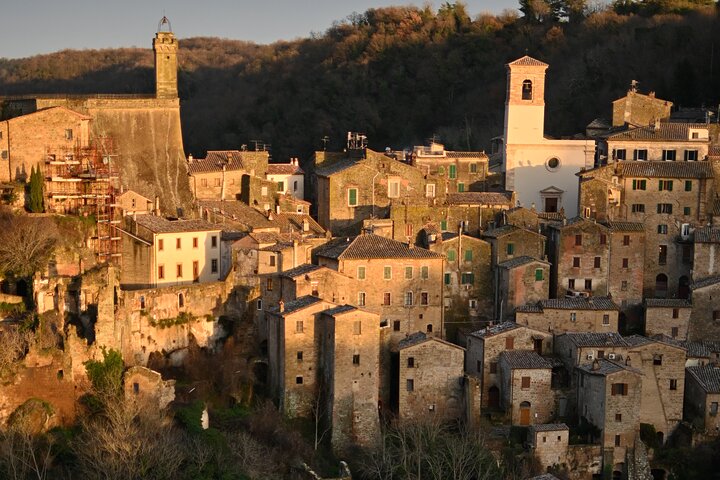
You start by exploring the medieval quarter and its ramparts. Admire the Della Robbia terracottas in the church. These glazed works are treasures without the queues. The calm here contrasts with the overcrowded museums.
Then head down toward the Peschiera, this monumental pool. The water is absolutely clear. You can see the trout swimming among the ancient mosses. It is a hypnotic and very cool sight.
Access the Fiora spring galleries. It's the beating heart of the local water network. You'll hear the rumble of water beneath the stone slabs. The atmosphere there is unique and resonant.
- The church of the Pieve
- The Sforza Cesarini palace
- The Peschiera Garden
Check this itinerary of the Via dell’acqua to find your way around. The route passes precisely through these strategic points of the village.
Afternoon toward the Acqua Alto waterfall
Head to Arcidosso via the scenic road. The Porta dell’Orologio offers a perfect setting. You overlook the entire wild valley of the Maremma. Take the time to observe the horizon before walking.
Follow the forest trail toward the Mulinaccio. These mill ruins tell of past industry. The Acqua Alto waterfall appears around a rock. It is a perfect cool spot for a break.
David Lazzaretti, born in Arcidosso, was a mystical prophet of the 19th century. He founded a utopian community on these volcanic slopes.
Discuss the mystical figure of David Lazzaretti. His birthplace is located nearby. He is nicknamed the «Christ of the Amiata» by the locals. His story still permeates the surrounding trails.
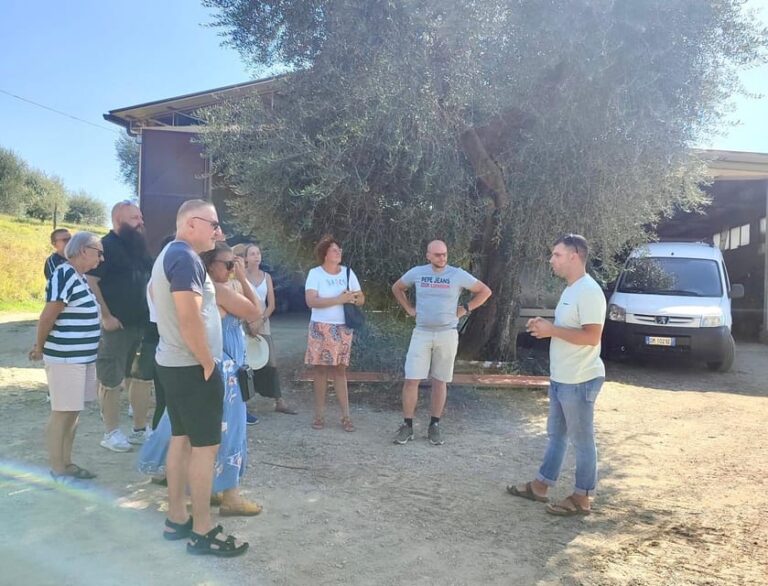
You can book a guided tour to explore these legends further. An expert will explain the details of Jurisdavidism to you on site.
The atmosphere becomes wilder as you leave the village. Beech trees gradually replace the olive trees of the plain. The temperature drops by a few degrees under the foliage.
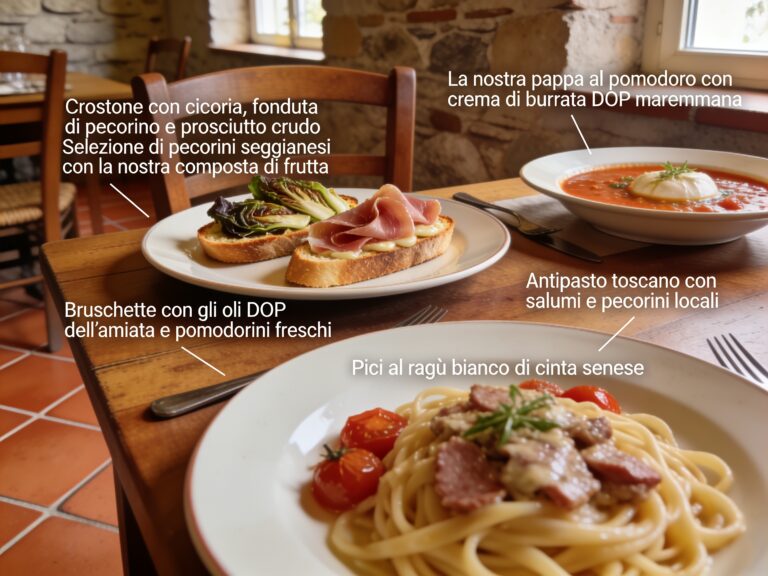
Our addresses · Santa Fiora
Our favorite addresses around Santa Fiora
Day 2: From the summit of Mount Labbro to hidden springs
Your second day leaves the valleys behind for the verticality and mysticism of the bare peaks. To fully grasp the origin of these reliefs, you can consult our guide on Mount Amiata, this Tuscan volcano that shaped the entire region.

Mount Amiata
An ancient Tuscan volcano covered by the largest beech forest in Europe, with thermal springs, forest bathing and hikes through the seasons

Tosco If you want the perfect combo, come in autumn to pick IGP chestnuts in the giant beech forest before heading off to relax in the steaming pools of Bagni di San Filippo!
The mystical ascent to Lazzaretti's pyramid
Climbing Mount Labbro via the rocky trail requires a bit of stamina. The summit offers a 360-degree view over the province of Grosseto. You can sometimes see the sea in clear weather. It is a lunar landscape, almost devoid of trees.
Exploring the tower and the Davidic pyramid is a strange experience. These limestone ruins are impressive. Lazzaretti had founded his utopian community there in the 19th century.
Observing the specific flora of the limestone slopes requires vigilance. Rare orchids bloom here in spring. Do not stray too far from the marked trails to protect them.
You can admire this panorama from Mount Labbro to confirm the view over the valley. It is a radically different point of view beech forests.
The wind blows hard on this ridge. The energy of the place is palpable and very distinctive.

Relaxation in the thermal waters of the area
Going back down towards the natural springs of the massif is a reward. The volcanic heat expresses itself here through water. It's time to release your tired muscles after the walk.
Looking for free access far from the spas is the best option. The wild pools offer a authentic experience. The smell of sulfur recalls the volcanic origin of the mountain. Direct contact with the rock is incomparable.
Understanding the link between volcanism and thermalism helps appreciate the site. The Amiata is an extinct volcano but active deep down. Its bowels heat the deep water tables.
Remember to check out the various spa and thermal bath options to compare the atmospheres according to your comfort preferences.
| Source | Access type | Temperature | Special feature |
|---|---|---|---|
| Bagni di San Filippo | Free | 48°C | Limestone deposits (Balena Bianca) |
| San Casciano | Free | 39°C – 41°C | Ancient Roman stone pools |
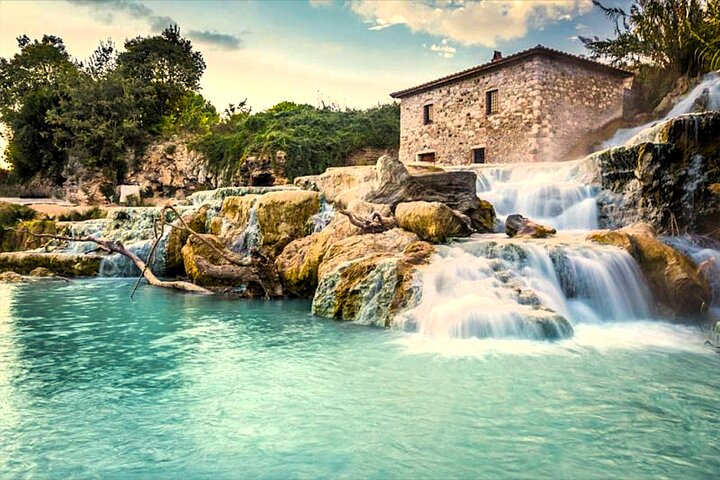
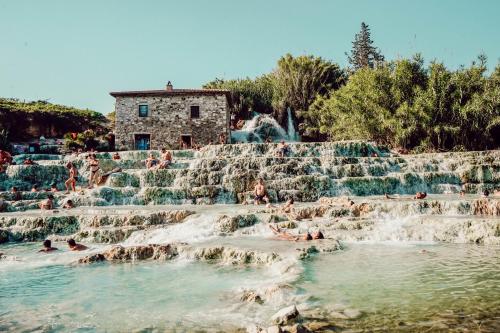
| Saturnia | Free | 37.5°C | Sulfur and travertine cascades |
Day 3: Woodland immersion and Seggiano olive oil
To finish this journey, you delve into the deep forest before rediscover the gentleness of the olive groves.

Hiking in the Vivo chestnut groves
You walk through Vivo Park beneath majestic beech trees. Water channels wind between the twisted roots. The shade is dense and the air always stays cool here.
Look out for the old stone chestnut-drying houses. These little huts were once used to process the harvests. They testify to the harsh struggle for survival in the mountains. The tradition is ancestral.
Finally reach the source of Capovetra hidden in the forest. It is the perfect place to fill your empty water bottle. The water there is pure, light and truly ice-cold.
The massif is a vast underground reservoir. You can explore the sources of Mount Amiata to understand how this resource shapes the landscape for centuries.

Gourmet stop at Montegiovi and the Conca d'Oro
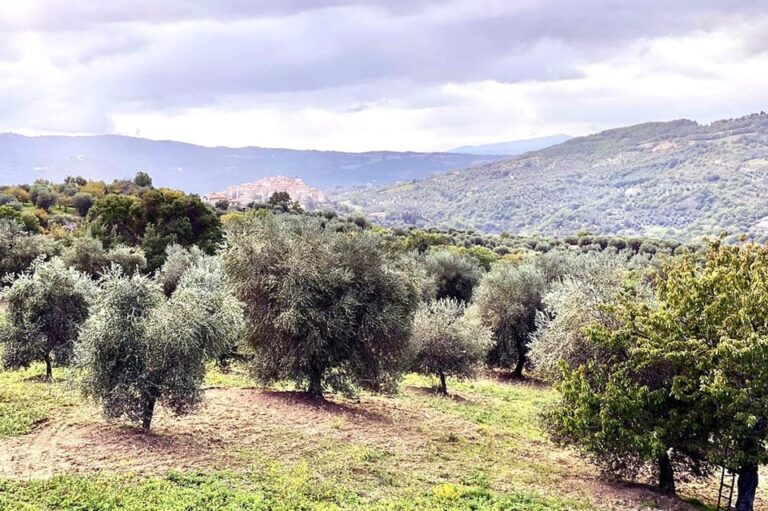
Visit the village of Montegiovi perched on its rocky spur. The view over the Conca d'Oro is superb. Olive trees stretch as far as the eye can see towards the plain.
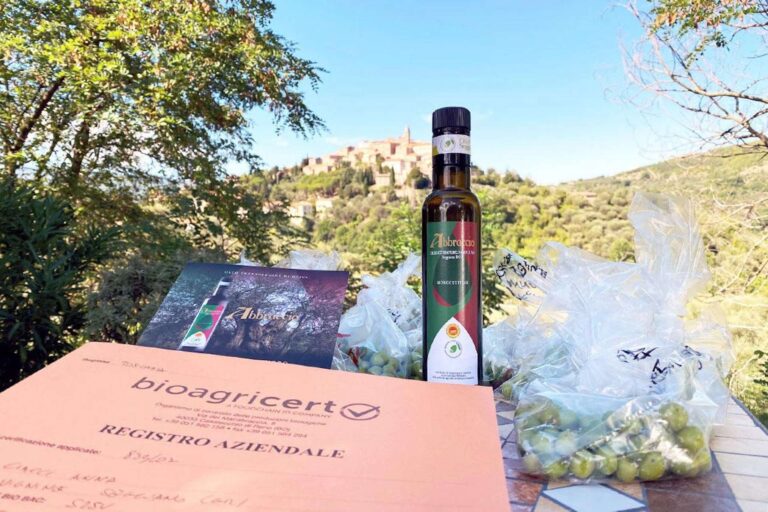
A unique olive variety on the north-western slope of Mount Amiata, resistant to cold, producing a fine, fruity and slightly spicy oil.
Taste Olivastra Seggianese olive oil at a local producer. This variety grows only on these volcanic slopes. Its taste is delicate, slightly spicy on the finish. It is liquid gold.
Check the details about oil production in the Conca d'Oro and Montegiovi to organize your autumn tastings.
Alternatives and practical info for your weekend
If you have a bit more time or specific needs, here is how to customize your adventure.
Adapting to the season and to children
Consider mountain biking for sporty families. The forest trails are well marked for this. Teenagers will love the technical descents.
In autumn, favor the Faeta area. The colors of the chestnut trees there are the most spectacular in the massif.
Budget and logistics on site
Allow about 80 euros per day per person. This includes a comfortable agriturismo and local meals. The food here remains very affordable.
- Budget : €80 / day / person
- Summit altitude : 1738 m
- Via dell’acqua : 62 km in total
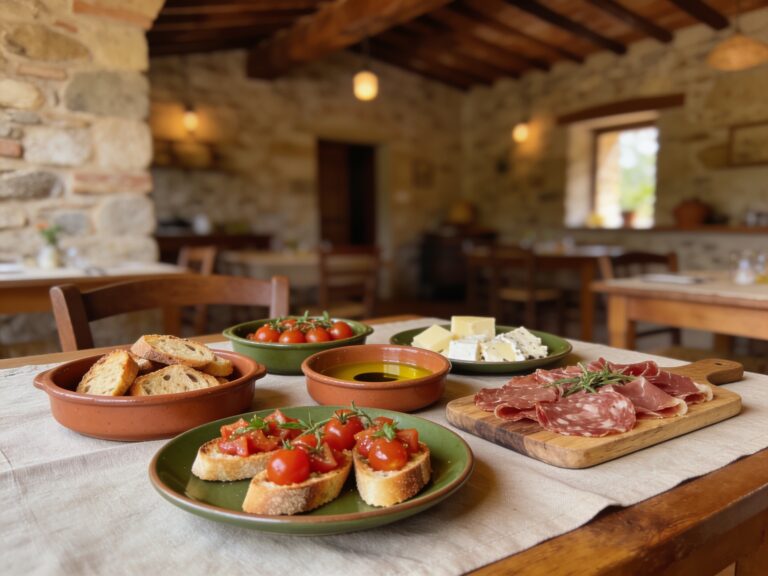
Do your shopping at the Seggiano markets. There you will find sheep's cheeses and forest products.
- Farmers' markets (according to festival calendar)
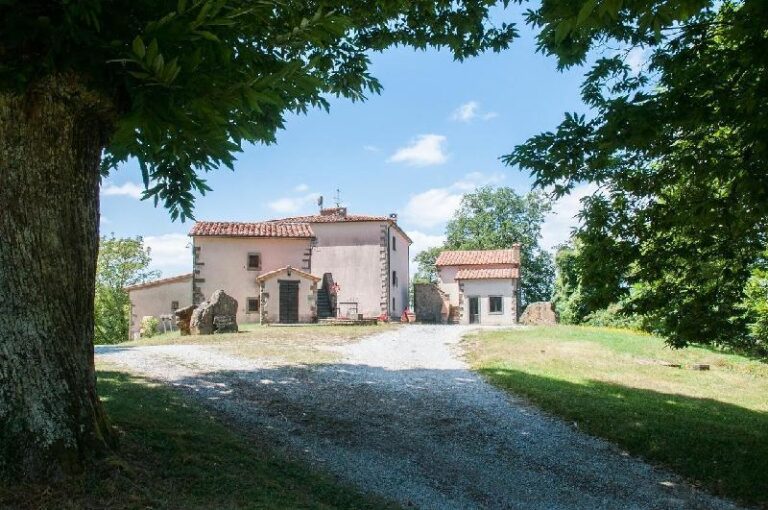
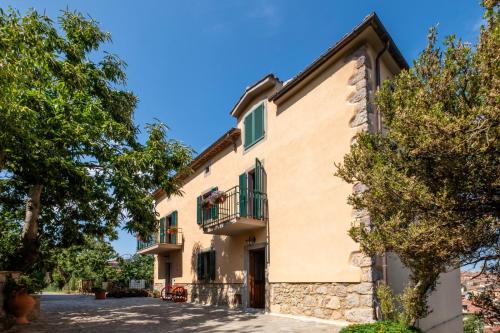
- Local agriturismos (e.g. Agriturismo la Piaggia)
- Limited service stations in the mountains
Your 3-day Mount Amiata stay offers you a perfect balance between forest immersion and thermal relaxation. By following this itinerary, you discover the volcanic soul of Maremma, from its pure springs to the olive groves of Seggiano. Do you prefer the mystical energy of Mount Labbro or the calm of the Bagni San Filippo pools to conclude your adventure.
For a 3-day stay around Mont Amiata, I strongly recommend focusing on the months of 12. May, June and September. These periods offer an ideal climate for hiking, with pleasant temperatures that will let you comfortably explore the trails without suffering the overwhelming summer heat or the harshness of winter. By avoiding July and August, you will also escape the tourist influx, even though the Mont Amiata area is already naturally less visited than Tuscany’s great art cities. Amiata’s volcanic microclimate has the particularity of cooling the mornings, even in summer, so always bring a light sweater for dawn departures, especially if you plan morning ascents such as the one up Mont Labbro. Autumn, particularly October, is also a magnificent option if you are passionate about photography, as the beech forests put on spectacular colors, transforming the landscape into a shimmering palette.
On the logistics side, one crucial point to anticipate is transport. The almost total absence of public transport between the isolated villages of the massif makes having a car absolutely essential. Without your own vehicle, you will have great difficulty getting around between the various points of interest such as Santa Fiora, Arcidosso, Seggiano or the wild thermal springs. In addition, if you wish to explore the fascinating underground galleries of the Fiora spring in Santa Fiora, advance booking is mandatory. I recommend contacting Santa Fiora Turismo well in advance to secure a time slot, as without a reservation, access will be denied. Finally, don’t forget to bring good hiking shoes and clothing suited to temperature changes (several layers), as the trails can be rocky and mountain weather is sometimes unpredictable. These precautions will guarantee you a smooth and trouble-free stay in this wild and authentic Tuscany.
For your first day dedicated to discovering the « Via dell’acqua » and the treasures of Santa Fiora, get ready for a fascinating immersion where water is omnipresent. Start your morning with an exploration of Santa Fiora’s medieval quarter. Stroll along its ramparts and be sure to admire the magnificent Della Robbia glazed terracottas that adorn the parish church of Saints Flora and Lucilla. It’s a rich cultural experience, without the crowds found in the museums of big cities. Then, head down to the famous Peschiera, a monumental basin of incredible clarity where you can watch trout swim peacefully. It’s a place of great serenity, ideal for recharging your batteries.
The highlight of this morning will undoubtedly be the visit to the galleries of the Fiora spring. It is the beating heart of the local water network, where you can hear the powerful rumble of water beneath the stone slabs. The atmosphere there is unique and resonant, offering an incredible perspective on human ingenuity and the force of nature. Keep in mind that this visit requires advance booking via Santa Fiora Turismo. In the afternoon, take the panoramic road toward Arcidosso. Make a stop at the Porta dell'Orologio, which offers a splendid view over the wild Maremma valley. From there, follow the forest trail that will lead you to the ruins of the Mulinaccio, old mills that testify to the region’s industrial history. Your reward will be the discovery of the magnificent Acqua Alto waterfall, a perfect cool spot for a well-deserved break. Along the way, you’ll have the opportunity to pass by the birthplace of David Lazzaretti, the mystical prophet nicknamed the « Christ of the Amiata », whose history and legends still permeate the place. A guided tour can allow you to delve deeper into these fascinating stories. This itinerary will let you follow precisely the strategic points of the « Via dell’acqua » and discover the water secrets of this part of Tuscany.
For your second day, you've perfectly grasped the mystical and wild essence of Mont Amiata! The ascent of Mont Labbro is a must-do experience. Get ready for a hike that requires some stamina, but the reward is immense. The rocky trail will lead you to the summit, where you'll be greeted by an absolutely breathtaking 360-degree view over the province of Grosseto, and on clear days you may even catch a glimpse of the sea. It's an almost lunar landscape, characterized by flora specific to the limestone slopes, where rare orchids can bloom in spring. Take the time to explore the remains of the tower and the Davidic pyramid, witnesses of the utopian community founded here by Lazzaretti in the 19th century. The energy of the place is palpable and very singular, with the wind often blowing hard over this bare ridge.
After the effort, the comfort! Heading back down to the massif's natural hot springs is the best reward of all. Amiata's volcanic heat expresses itself here through these beneficial waters. The goal is to find the accès libre spots, far from commercial spas, for an authentic experience. The smell of sulfur will remind you of the mountain's volcanic origin, and the direct contact with the rock is incomparable. Among the best spots, I recommend the Bagni di San Filippo, renowned for their spectacular limestone deposits forming the « Balena Bianca » and water at about 48°C. The ancient Roman pools of San Casciano, with temperatures between 39°C and 41°C, also offer a historical and relaxing immersion. Finally, the famous Cascate del Mulino in Saturnia, with their 37.5°C water and their cascades of sulfur and travertine, are a classic not to be missed, although they are a bit further away. Each site offers a unique atmosphere, allowing you to release your tired muscles and connect deeply with the telluric energy of this volcano that is extinct but still active deep down.
For your third and final day, combining the tranquility of the forest with the gustatory richness of local products, especially olive oil, is an excellent idea. Start your morning with a soothing hike in the Parco del Vivo. You’ll venture beneath the majestic beech trees, where water channels wind between the gnarled roots. The shade is dense and the air remains pleasantly cool, even in sunny weather. Keep your eyes open to spot the old stone chestnut-drying houses, small huts that testify to the life and ancestral traditions of the mountain. It’s an immersion into an authentic mountain culture. Don’t forget to head to the Capovetra spring, hidden in the heart of the forest, the ideal place to fill your water bottle with pure, light, deliciously ice-cold water. The Amiata massif is an immense underground reservoir, and understanding how this resource has shaped the landscape for centuries is fascinating.
The afternoon will be dedicated to the flavors of Tuscany. Head to the charming village of Montegiovi, perched on its rocky outcrop. The view of the Conca d’Oro is absolutely superb, with olive groves stretching as far as the eye can see toward the plain. It’s the perfect setting for the long-awaited tasting. The jewel of this region is the Olivastra Seggianese olive oil, a unique variety that grows only on these specific volcanic slopes. I strongly recommend finding a local producer for a tasting. Its taste is delicate, slightly spicy on the finish, and it’s a true « liquid gold » that reflects the terroir. To organize your tastings as well as possible, especially in autumn, look into oil production in the Conca d’Oro and in Montegiovi. You can also visit the Seggiano markets, depending on the local festival calendar, to discover other local products such as sheep’s cheeses and forest specialties. This day will leave you with an unforgettable memory, combining natural beauty with the gastronomic richness of the Maremma.
Absolutely! The 3-day itinerary around Mont Amiata can easily be adapted for a family with sporty teenagers, notably thanks to the many possibilities offered by mountain biking. The massif is full of well-marked forest trails that are perfect for mountain biking, offering technical descents and varied routes that will delight teenagers. It’s an excellent way to explore the lush nature and volcanic landscapes. In autumn, if you love colors, favor the Faeta area, where the chestnut trees offer the most spectacular displays. For hiking, the trails are also numerous, and if your teenagers are used to walking, they will enjoy exploring the villages and waterfalls. Don’t hesitate to consult detailed maps of the local mountain biking trails to plan your routes.
Regarding budget and logistics, plan on about 80 euros per day per person. This budget generally includes comfortable accommodation in a 7. local agriturismo, which is an excellent option for families, and typical meals. The region’s gastronomy is delicious and remains very affordable. To reduce costs and immerse yourself further in local life, I recommend doing your shopping at the Seggiano markets or other villages. There you’ll find fresh products such as sheep’s cheeses, charcuterie and forest products, perfect for picnics in nature. Keep in mind that gas stations are limited in the mountains, so remember to fill up regularly. Having your own vehicle is, as mentioned earlier, an absolute necessity for the flexibility it offers, especially with teenagers who may have last-minute wishes! This modified itinerary will allow you to combine sporting adventure with cultural and gastronomic discovery, while respecting a reasonable budget.
Absolutely! The story of David Lazzaretti, the « Christ of the Amiata », is deeply rooted in the landscape and culture of Mont Amiata, and it is entirely possible to explore the places linked to his life and mystical movement. His birthplace is located near Arcidosso, and even if it is not always open to the public like a classic museum, simply passing by allows you to feel the atmosphere of the place that saw the birth of this 19th-century prophet. His story permeates the trails, notably the one leading to the Acqua Alto waterfall, where you can still perceive the echo of his preachings.
The culmination of this exploration is without a doubt Mont Labbro. It is on this bare summit, offering a 360-degree view, that Lazzaretti founded his utopian community. You’ll be able to discover the remains of the tower and the Davidic pyramid, limestone constructions that testify to his project for an ideal society. These places are not only architectural testimonies, but also anchor points of a singular spirituality. To deepen your understanding of Giurisdavidism, the movement he founded, I highly recommend booking a guided tour. A local expert can explain in detail the beliefs, practices and impact of David Lazzaretti on the region, adding an extra dimension to your hikes. His story is that of a complex figure, between religious mysticism and social claims, and it offers a unique perspective on this « vertical » Tuscany and its inhabitants.
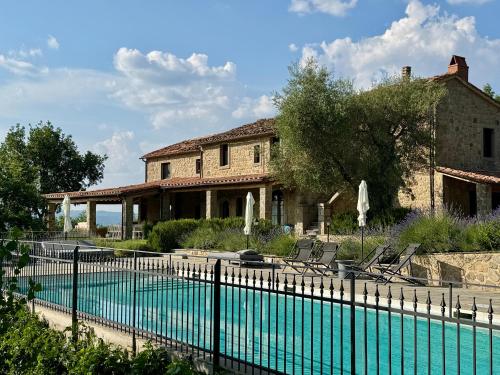
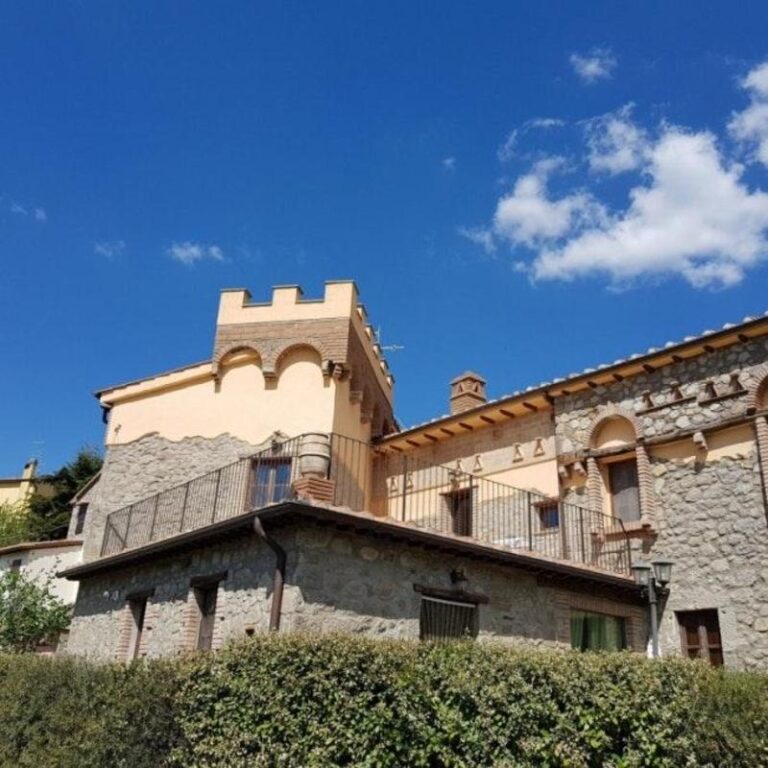
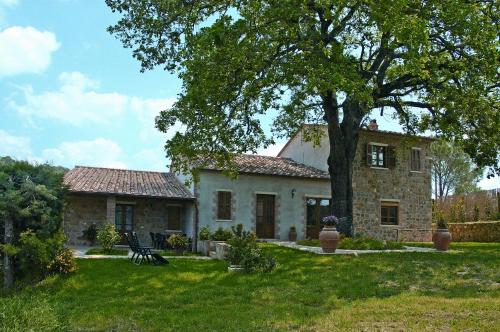
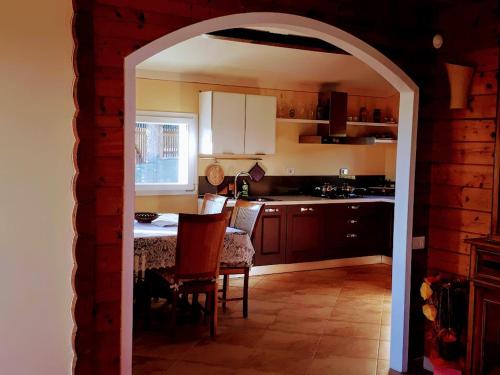
For total and authentic immersion in the local culture of Mont Amiata, I warmly recommend favoring agriturismos. These are restored farms offering rooms or apartments, often run by families who cultivate the land and produce local specialties such as olive oil, wine, honey or cheeses. It’s a far richer experience than a classic hotel, as you’ll be in direct contact with the locals, their traditions and their way of life. Many agriturismos are located in the heart of the landscapes you’ll be exploring, offering breathtaking views of the hills, beech forests or olive groves.
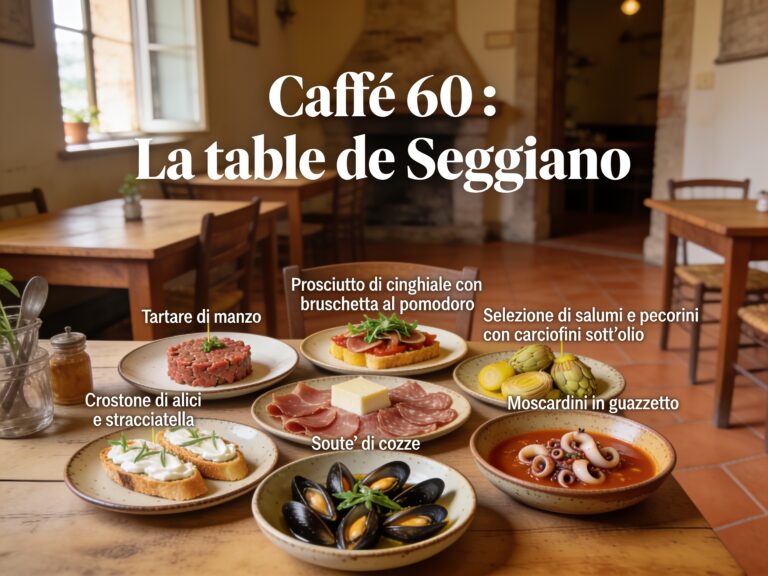
An example you might look for is the Agriturismo la Piaggia, but there are many others in the surroundings of Santa Fiora, Arcidosso or Seggiano. The advantage of agriturismos is that they often serve meals prepared with products from the farm, allowing you to taste true, seasonal Tuscan cuisine. Some even offer activities such as cooking classes, product tastings or tours of their farms. Another interesting option could be to rent a small stone house in a medieval village like Santa Fiora or Montegiovi. This will allow you to live at the locals’ pace, get lost in the alleyways and enjoy the unique atmosphere of these history-filled places. These authentic accommodations are the key to feeling fully integrated into the Maremma and Mont Amiata, far from the beaten path and the tourist crowds.
Around this article



Is the map not displaying? See accommodations on Stay22
Map and prices provided by Stay22: Toscane Cachée may receive a commission on bookings.
You will also like

Tuscany off the beaten path: our guide to escaping the crowds in 2026
Explore Tuscany off the beaten path in 2026. Discover the wild Maremma, its hilltop towns…

Free vs paid thermal baths in Maremma: where does your money really go?
Discover the free vs paid Maremma thermal baths comparison: choose between the wild freedom of…

Thermal baths in Maremma: 2-day circuit in Saturnia and Petriolo
Discover the Maremma hot springs with this 2-day itinerary between the springs of…

2 days in the Fiora gorges: canyons, waterfalls and unknown rupestrian cities
Prepare your stay to visit the gorges of the Fiora in 2026. Explore Pitigliano and…