Pitigliano, Sorano and SovanaSaturnia and MancianoArgentario and Orbetello lagoonCapalbio and the southScansano and the Morellino hillsGrosseto and the Maremma parkCastiglione della Pescaia and the coastFollonica and Punta AlaMassa Marittima and the metalliferous hillsMonte AmiataVal d'Orcia and MontalcinoLake of Bolsena and Tuscia (Latium)Val di Chiana and MontepulcianoAilleurs en Toscane
Price
Hidden Tuscany Rating
Our score out of 10 is deliberately demanding: the favourites are the top 10% rated in the hub.
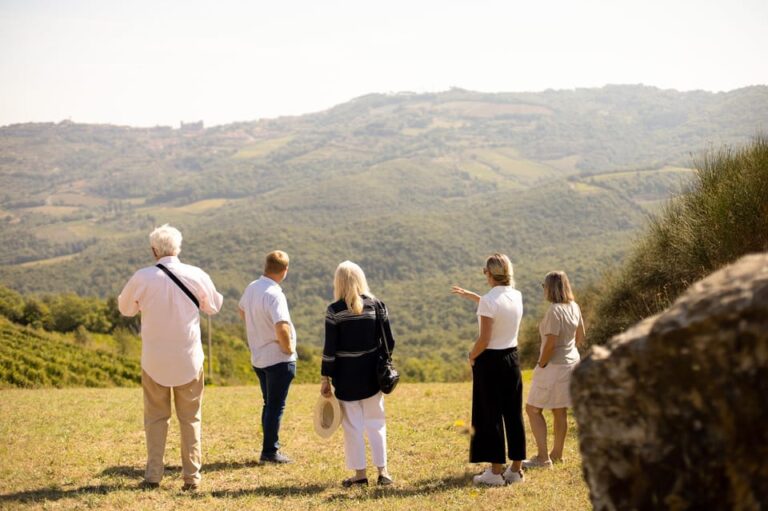
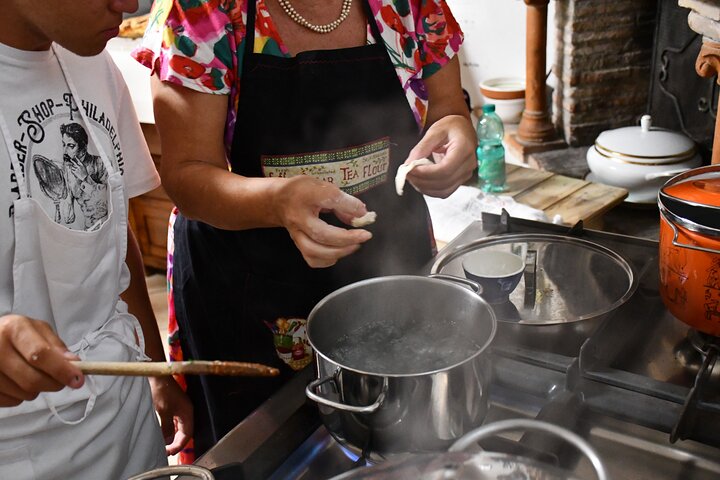
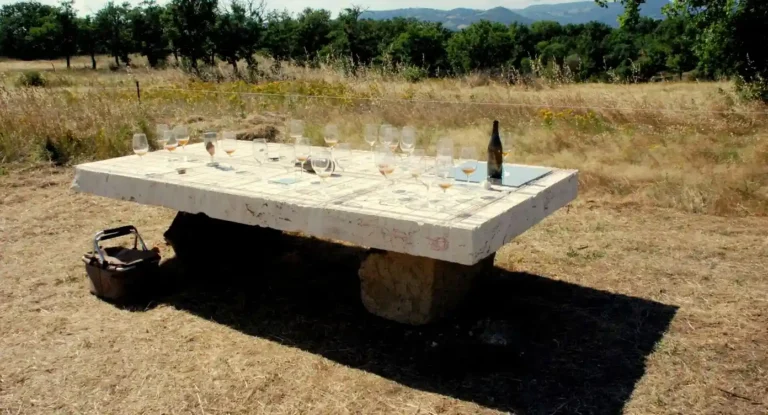
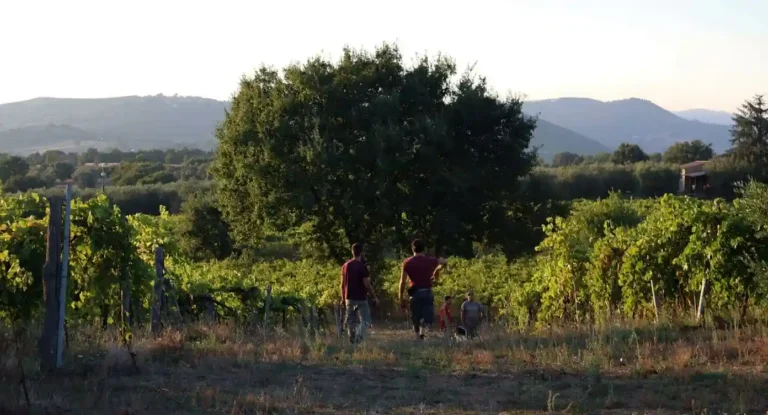
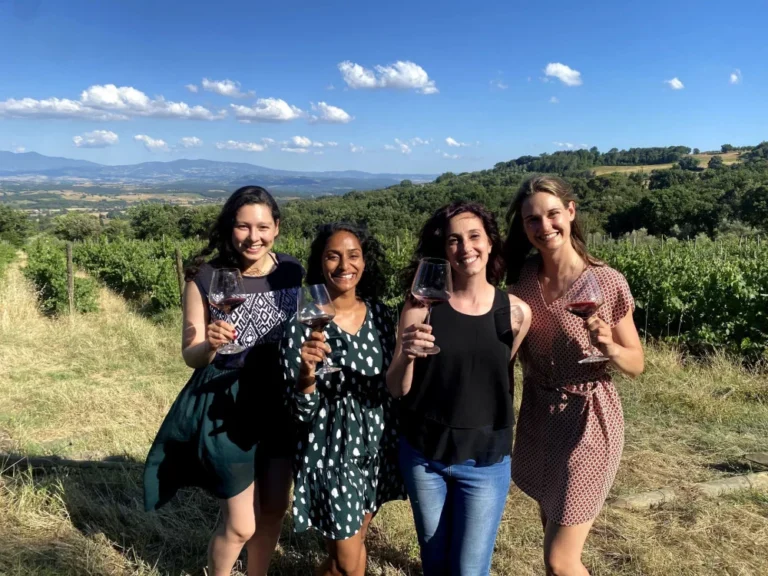
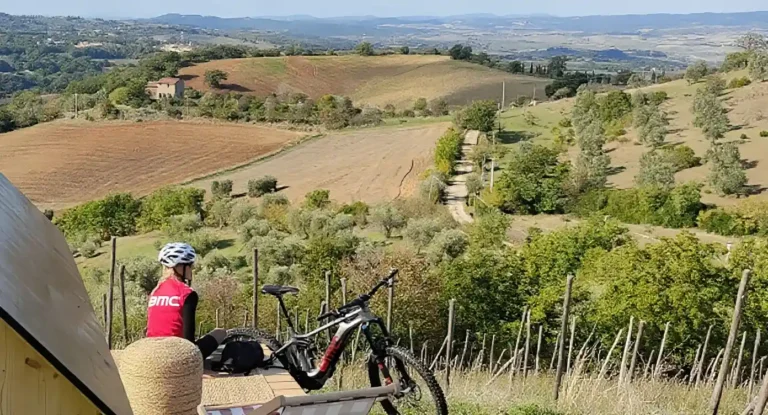
A 3-hour morning in Sovana where you take part in the vineyard work with a winemaker from Cantina della Luce, Morellino di Scansano and packed lunch included
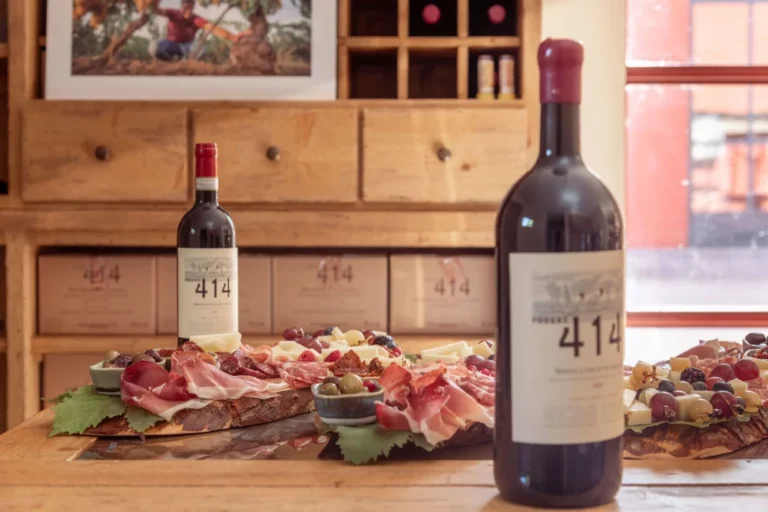
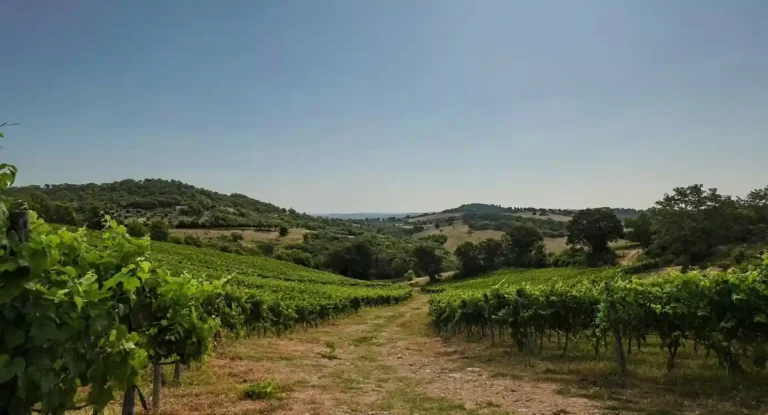
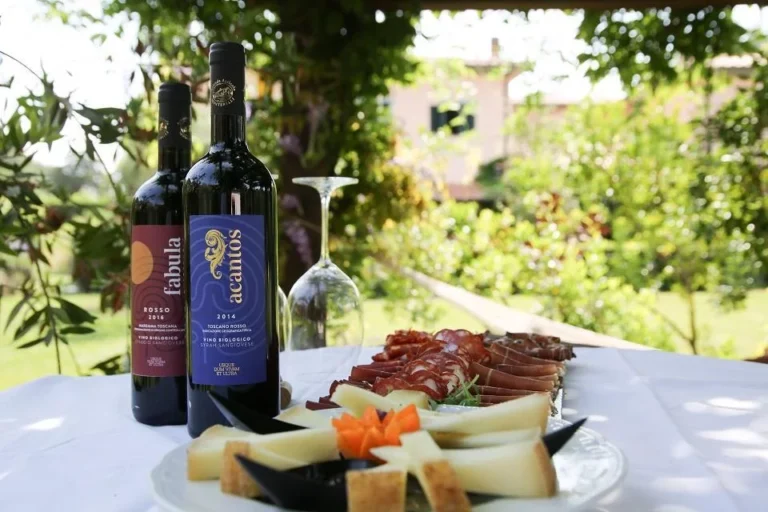
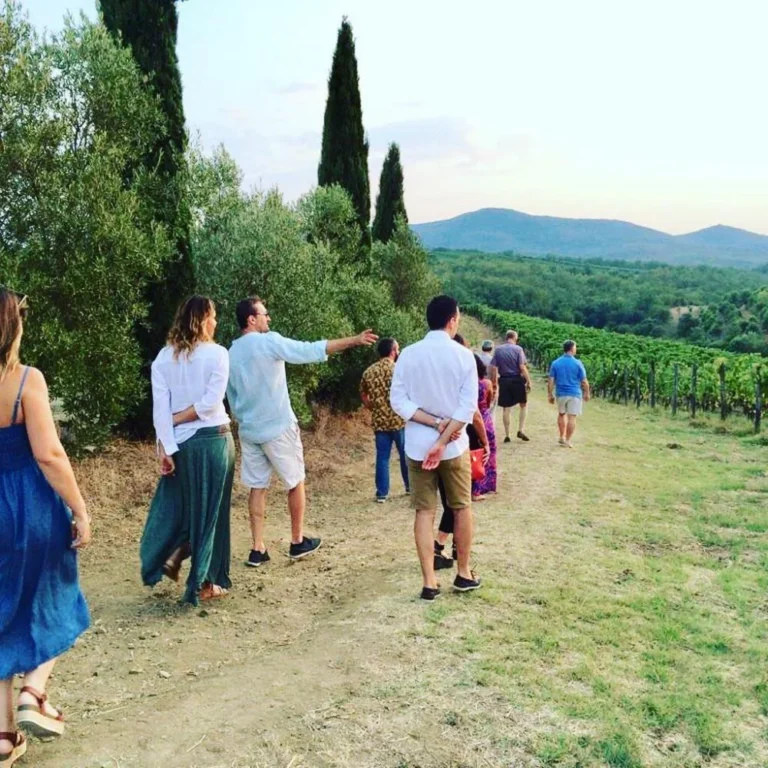
At Podere 414, in Magliano in Toscana, one hour combines a stroll through the vineyards, a cellar tour and a tasting of at least three organic wines with a platter of local products
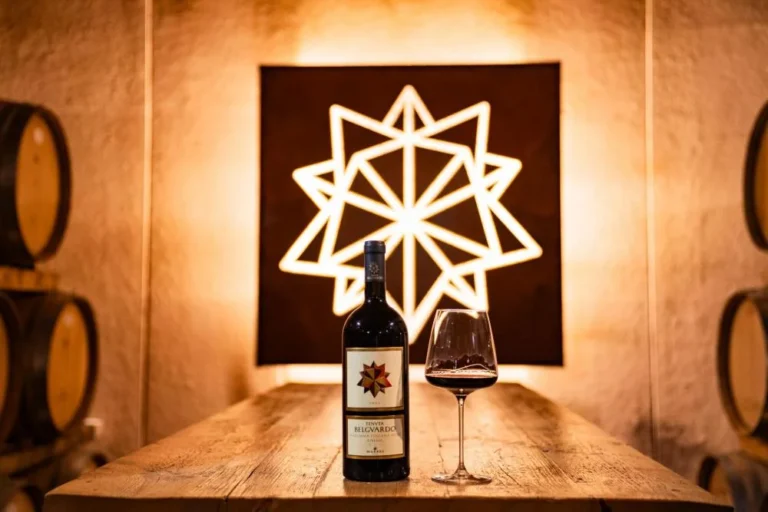
One-hour private tour at Tenuta Belguardo, in Magliano in Toscana: five wines tasted with local products, after a route through the vineyards and cellar
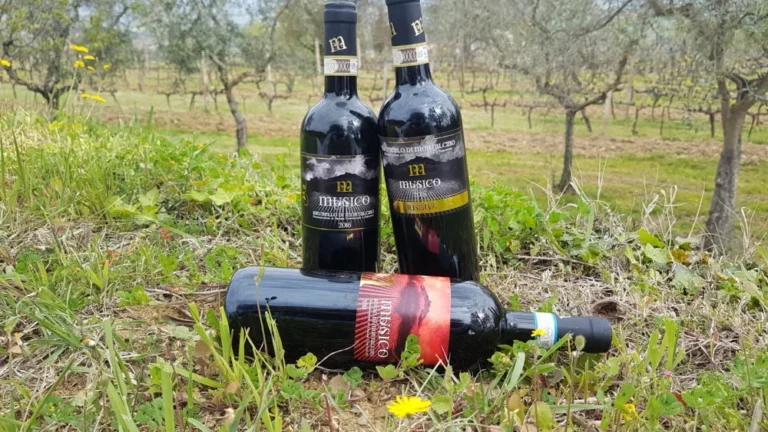
Tasting of five red wines from the Musico cellar in Montalcino, with a walk through the vineyards, a visit to the cellar and a board of local cured meats and cheeses over 2 hours
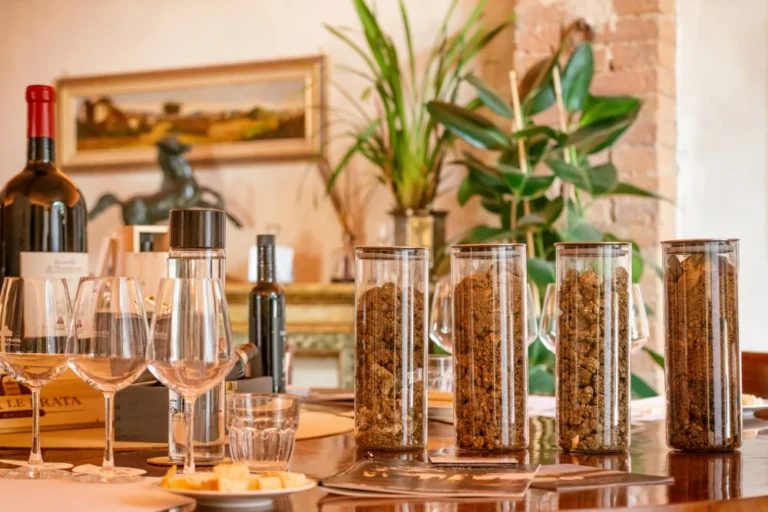
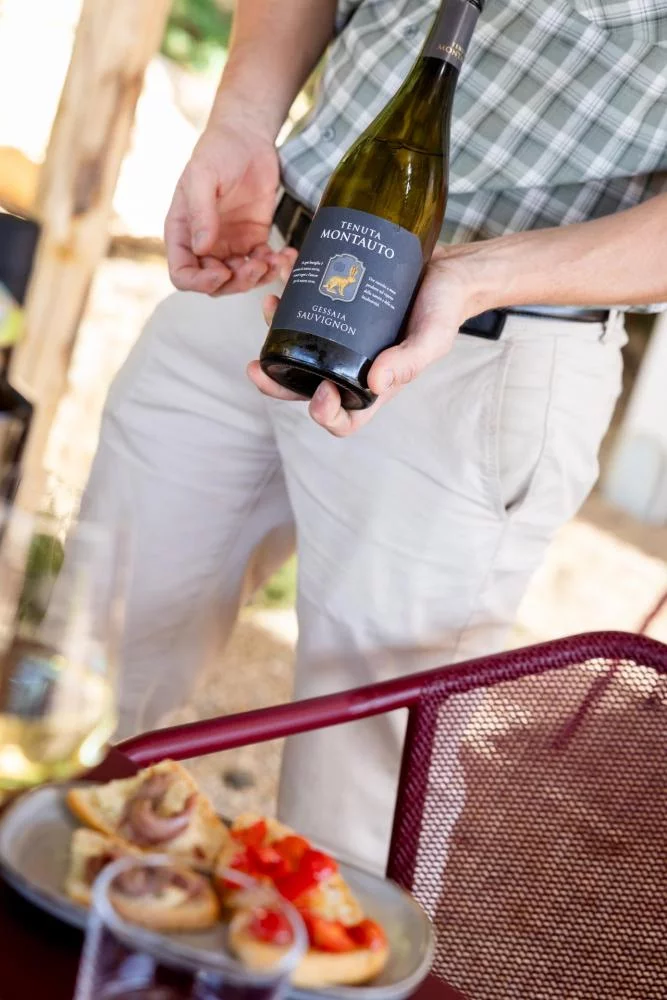
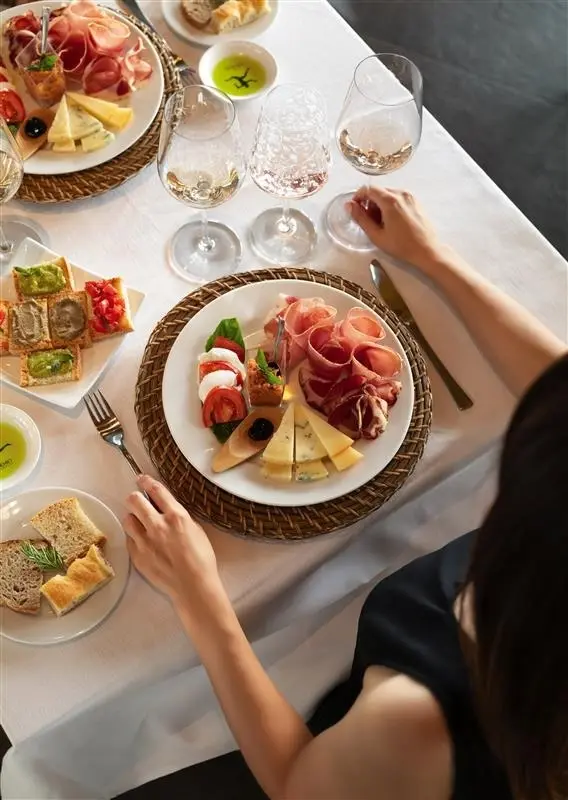
Tasting of four wines at Tenuta Montauto, in Manciano, with a tour of the cellar and barrels, a platter of cheeses and cold cuts, and IGP organic olive oil
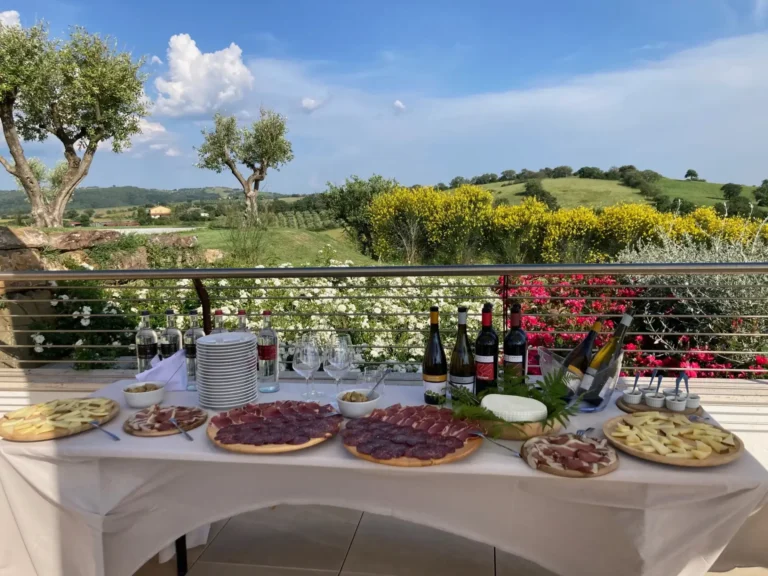
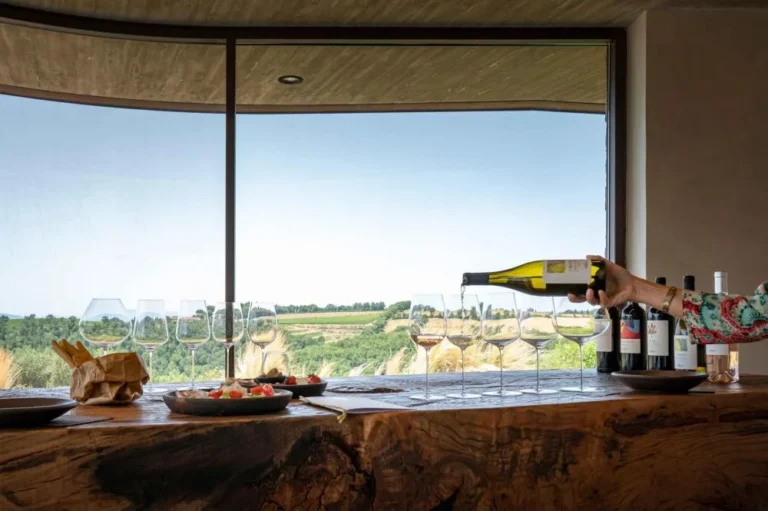
In Cinigiano, the Tenuta Pianirossi offers 2 hours of cellar and winery tours, followed by six wines accompanied by charcuterie and cheeses on a panoramic terrace
Tasting at Tenuta Ammiraglia (Frescobaldi), in Magliano in Toscana: 2 hours with a tour of the wineries, three wines and an accompaniment of charcuterie, cheeses and crostini
A guided tour of the Gramineta cellar in Roccastrada, 3 hours in the budget range, with at least two estate wines, charcuterie, cheeses and fruit juice for children
Guided tour of the Tenuta Pianirossi cellar in Cinigiano, followed by four wines with a platter of local charcuterie and cheeses on a panoramic terrace
At Purovino, in Magliano in Toscana, a 3-hour winery brunch: tour of the vineyards and cellar, three wines and local terroir products, no added sulfites
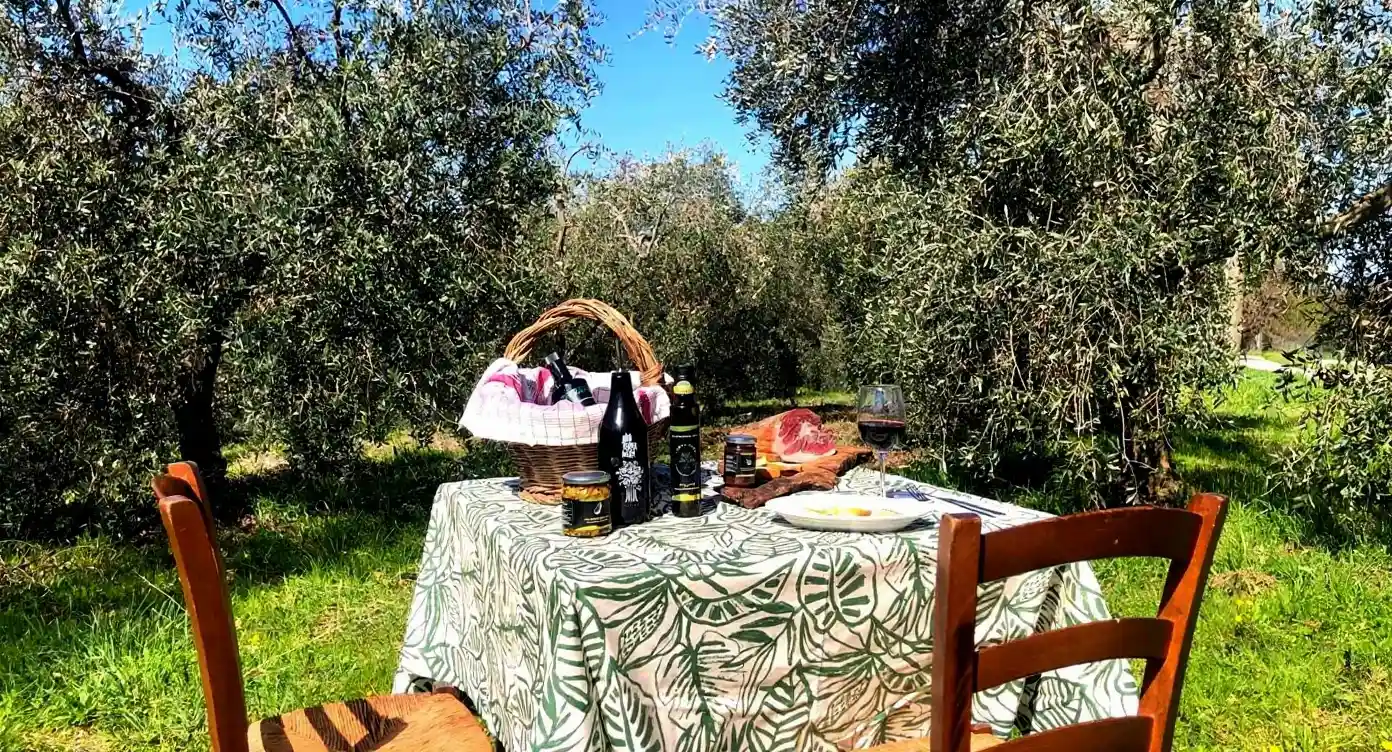
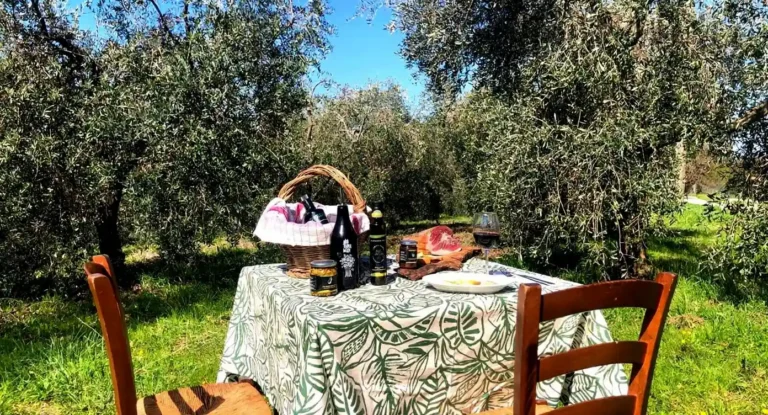
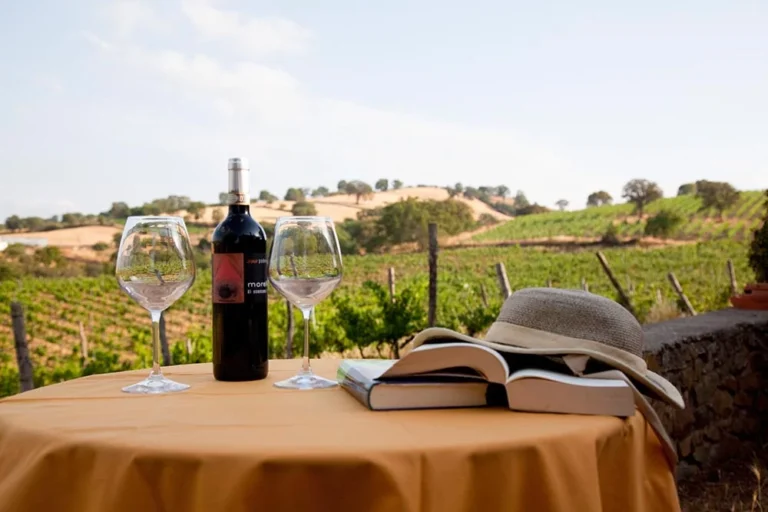
A one-hour tasting under the olive trees: four extra virgin oils, three local wines including a Morellino di Scansano, then a picnic of vegetables, cheeses and charcuterie
Wine Tasting in Maremma and Tuscany: What You Taste, Where, and How to Book
The essentials to remember: a wine tasting in Maremma lasts between 1h30 and 2h to soak up the wild terroir without fuss. There you discover the Morellino di Scansano and Vermentino, served with pecorino or local cured meats. For avoid the hassles, use immediate booking on Winalist and opt for an agritourismo to sleep on site and savor the experience without driving.
Maremma isn't tasted from crystal glasses in stuffy salons; it's lived with your feet in the earth between Scansano and the lagoons of the Argentario. People often end up choosing their estate at random, only to realize once on site that they missed the essence of the wild terroir or were served a standard wine without soul. A successful Maremma Tuscany wine tasting asking where to track down the real Morellino and how to avoid the tourist traps that swarm along overly signposted roads.
I'm going to help you decoding what really happens in the cellars of Grosseto...from the Magliano vineyards to the volcanic soils of Pitigliano, so you know exactly what to taste and where to book without getting it wrong. Let's take stock together of the grape varieties that matter and the honest way these encounters unfold with our winemakers.
What really happens during a tasting
A tasting in Maremma lasts about 2.5 hours, costs between €27 and €32, and includes a visit to the cellars. You taste the Morellino di Scansano and the Ciliegiolo, often accompanied by local products.
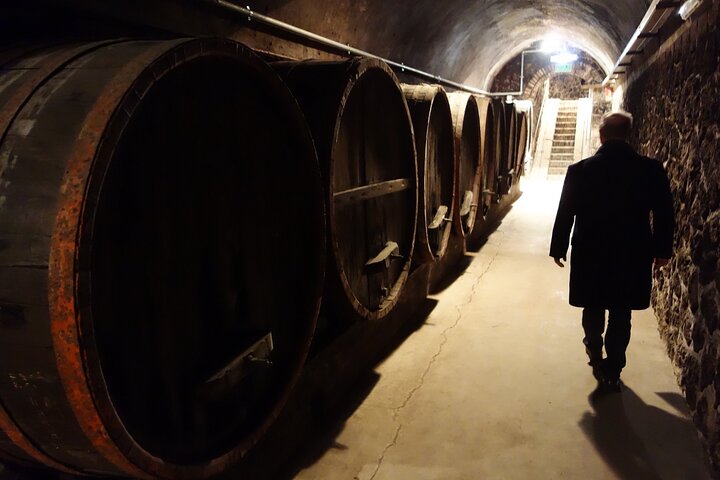
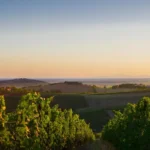
The welcome at the estate kicks off the festivities. You often start by walking through the vineyards before entering the aging cellar. It's the perfect moment to observe the imposing vats and barrels. The terroir can be felt here.
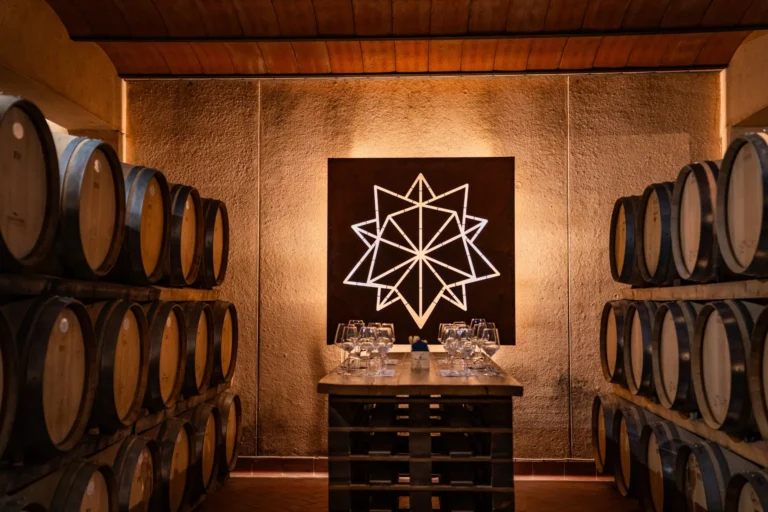
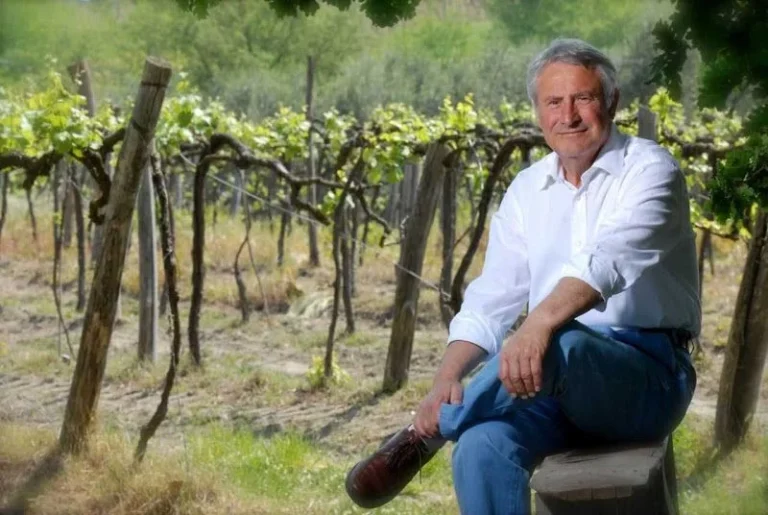
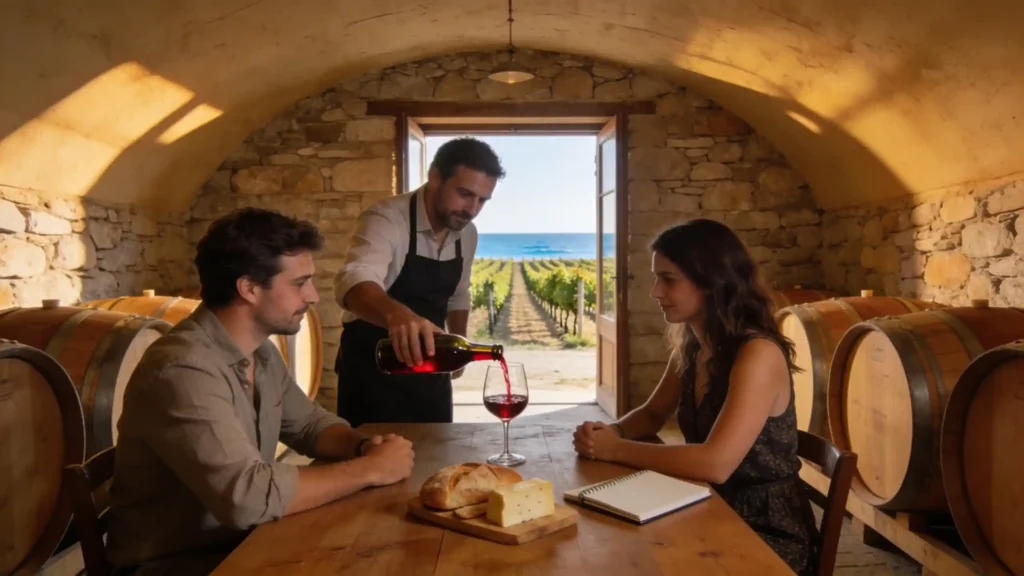
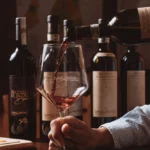
Then you settle into the tasting room. You're going to taste a selection of three to five different winesThe winemaker explains each cuvée with raw passion, far from polished marketing speeches. Listen closely to his story.
To avoid getting lost, take advantage of these tips for a successful tasting. These tips radically change how you approach your glass.
They serve classic accompaniments such as bruschetta, pecorino, or local cured meats. These products bring out the aromas of the red wine. It's a friendly, direct exchange without unnecessary fuss. We share the real thing.
The session ends with a stop at the shopFeel free to buy a few bottles.
Step
Estimated duration
Main content
Welcome and vineyards
20 min
Presentation of the estate and the terroir.
Cellar tour
40 min
Discovery of the vats and barrels.
Guided tasting
60 min
Sensory analysis of 3 to 5 wines.
Free time/Shop
30 min
Final exchanges and possible purchases.
In terms of communication, they speak Italian and English. Some estates even offer a wine tasting with a bilingual guide. It's simpler for grasping the winemaker's technical nuances.
Always plan your visit in advance. Small estates don't accept impromptu visits between two rows of vines. Plan ahead to avoid finding the door closed.
Here, Morellino di Scansano expresses a unique wild terroir. The atmosphere is noticeably less stiff than elsewhere in Tuscany. Rustic authenticity is what matters mostwithout frills or pretense.
You leave with a better understanding of winemaking work. It's a complete sensory experience.
In short, it's a an unforgettable moment of sharing.
Where to taste in Maremma, zone by zone
After seeing how it unfolds, let's now see where to drop your bags for explore the best vineyards.
Scansano and the wine route
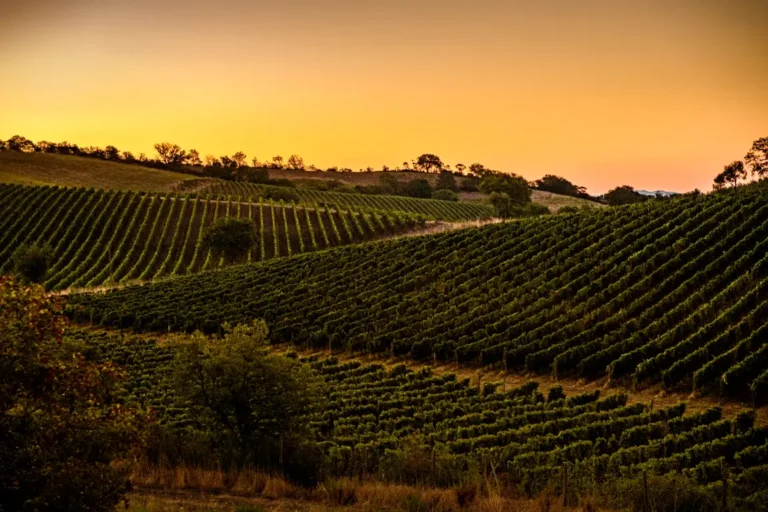
Scansano is the heart of the vineyard. Its hills offer superb views. Here, Sangiovese becomes the Morellino di Scansano DOCG.
The Scansano Cooperative Cellar
Organic family estates
Magliano in Toscana
This medieval village overlooks the vineyards. The sea air shapes the character of the wines. It's the luxury of simplicity.
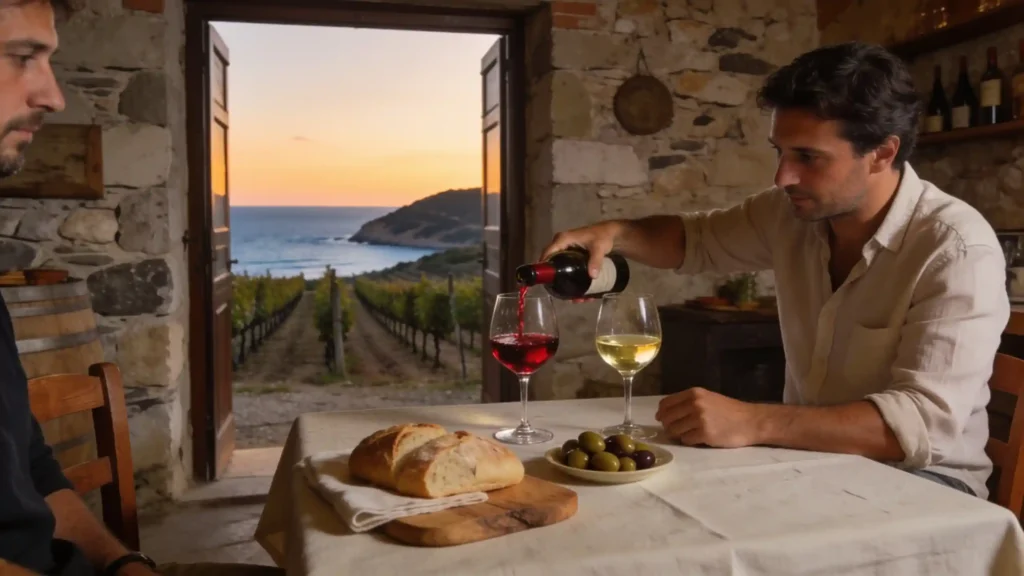
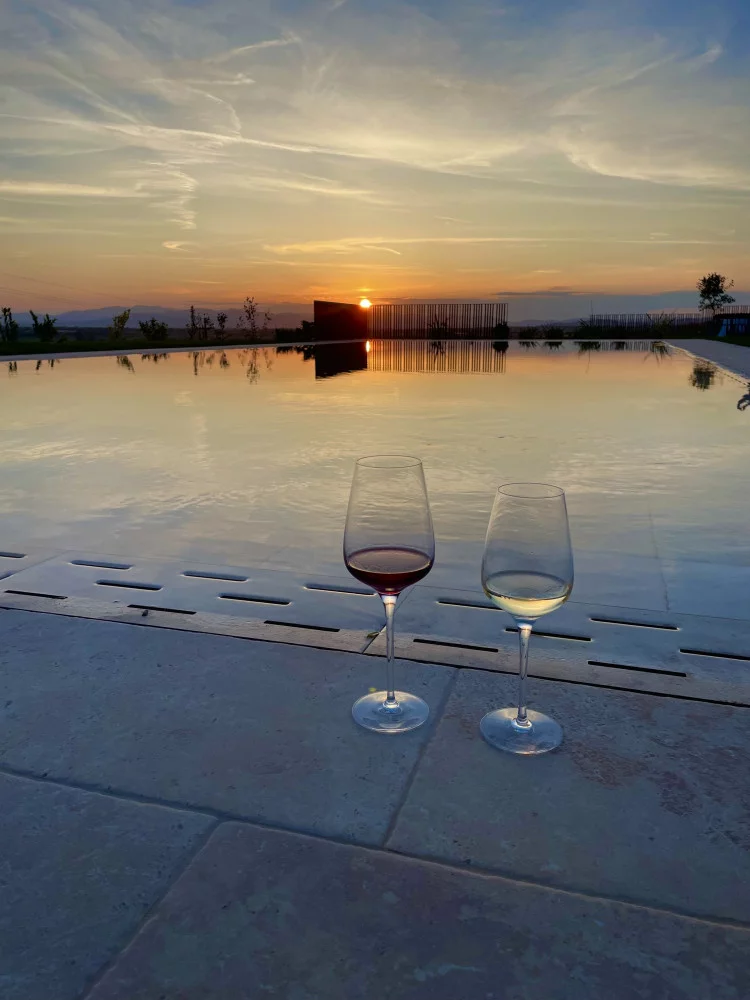
Enjoy a sunset tasting. Intimate estates allow for genuine exchanges with passionate owners.
Which wines we taste in Maremma
If you imagine Tuscany boils down to Chianti served in straw-wrapped bottles, you're mistaken. Here in the Maremma, we don't try to copy our northern neighbor. We have our own character, shaped by sea salt and volcanic rock. But by the way, what will you actually have in your glass once you're there?
The essence of the terroir
Morellino di Scansano is a DOCG based on Sangiovese. Vermentino is a Mediterranean white grape. Ansonica is typical of Argentario.
The Morellino di Scansano
It is the undisputed king of local reds. It is composed mostly of Sangiovese. Its character is both robust and fresh, very typical of Maremma.
Morellino, made from the Sangiovese grape, has a strong identity. This wine perfectly accompanies the grilled red meats you will find on our tables.
It exists in an "Annata" or "Riserva" version. The second version 必须 ages longer in wood, for at least twelve months.
Aromas of cherry and plum largely dominate. On the palate, the tannins are present but silky. It's a wine with temperament, without frills.
Vermentino
Vermentino is the emblematic white grape of the coast. It loves sun and sandy soils. The result is a lively and mineral wine.
You can explore further the whites of Maremma to understand this maritime influence. It's a unique sensory experience.
You'll find notes of citrus and sometimes white flowers. It's absolutely perfect for an aperitif under the Tuscan heat.
Vermentino pairs wonderfully with fish from the Argentario coast. It's freshness embodied, far from heavy, oaky whites.
Ciliegiolo
This ancient grape variety has come back strongly in recent years. Long used in blends, it is now vinified on its own. Its name directly evokes cherry (ciliegia).
It's a a gourmand and very fruity redIt drinks easily, even in summer if served lightly chilled.
Ciliegiolo is the little-known gem you absolutely must try. It finally steps out of Sangiovese's shadow to shine on its own.
Maremma winegrowers now pamper it in stainless steel tanks. It represents well the renewal of Tuscan terroir. A real discovery for your curious taste buds.
Grape / Wine
Dominant Profile
Ideal pairing
Morellino di Scansano
Structured red, red fruits
Grilled meats, Pecorino
Vermentino
Mineral white, citrus
Fish from Argentario
Ciliegiolo
Fruity, crunchy red
Local charcuterie, Porchetta
Booking on Winalist or on Winedering
To organize all of this without stress, two platforms share the market for wine experiences.
Winalist
Winalist is the European leader in online reservationsThe interface is clear and very intuitive. You can filter by type of activity or by price.
Confirmation is often immediateIt's handy for last-minute decisions during your stay.
Reviews from other travelers are a real plus. You know exactly what to expect before arriving at the estate. Transparency is total.
Winedering
Winedering is a very specialized Italian alternative. They offer experiences that are often more original and off the beaten track. The choice in Maremma is excellent.
You'll find tastings paired with picnics. You can even find a wine tasting and picnic to eat in the middle of the vine rows.
Customer service is responsive and knows the terrain well. It's reassuring if you're looking for something specific. A solid option for your trip.
How much does a tasting cost, and how to compare
Let's not kid ourselves, the money question always ends up on the table when we talk about bottles. In Maremma, prices make a wide leap depending on whether you knock on the door of a small farmer or of an estate that cultivates its brand image.
For a simple tasting, count on about 15 euros per headAt that price, you generally get three wines to discover, accompanied by a few breadsticks to mop up. It's the efficient option if you're just passing through.
If you want to see the inner workings of the estate, visits to the cellars and vineyard quickly climb to between 30 and 40 euros. The number of glasses increases and the appetizers become more substantial. It's the standard format so you don't go hungry.
The value for money here is often much better than in northern Tuscany, but stay vigilant. Always check what is actually included in the package before confirming your visit.
Some estates offer to turn the experience into a true feast with a full lunch. Budget between 60 and 90 euros for this kind of afternoon. It's the best way to see how our reds hold their own against grilled meat.
Little tip to know: the bottles you buy on site are sometimes deducted from the price of the visitDon't hesitate to ask the question, it costs nothing.
Range of experiences
Indicative budget
Services included
Entry level
15-20€
3 wines and grissini
Standard
25-45€
Visit to the cellars, vineyard and local boards
Premium
€60 and up
Full lunch and food and wine pairings
Private
On quote
Custom service
Also check the length of the service. One hour goes by at a crazy speed when you start seriously discussing grape varieties. Aim for sessions of at least an hour and a half to have time to breathe.
If you're looking for a sure bet, you can go see the tasting at MuraliaIt's a good example of what serious work looks like around here.
Also think about transport logistics. Most estates are lost in the middle of the countryside and require a car. It's a a cost we too often forget to calculate.
If you arrive as a group, know that the rates can become tiered. Always ask whether a group rate is possible.
Manage your wine budget well by booking ahead to avoid unpleasant surprises. The Maremma is still spared from outrageous prices of Chianti, so enjoy it while it lasts.
Sleeping at a producer who offers tastings
Agritourism is an institution in TuscanySleeping at the estate lets you taste without worrying about driving. You enjoy the calm of the vineyards early in the morning. It's magical.
To find your haven of peace, turn to an agritourismo. Only select addresses listed in this list.
The rooms are often located in former stone buildings. The comfort is modern but the rustic charm remains. You feel at home, only better.
Breakfast often offers the products of the farm. Olive oil and homemade jams are on the menu.
The highlights of staying at the estate
Pool with a view over the vineyards
Dinners at the table d'hôte
Possible participation in the harvest
Absolute calm far from the cities
It is also an opportunity to see behind the scenes of the trade. You meet the winemaker at work during your stay. The exchanges are much more natural and deep.
If you are looking for a total organic immersion, take a look at this address. It's serious stuff.
Choosing total immersion is the best way to understand the soul of Maremma. You live at the rhythm of nature and the seasons. It is a sudden and necessary disconnection.
Sandro's tip
Remember to book well in advance in high season. These addresses are very popular with those who know.
In short, the winning combo for a successful vacation.
To live a Tuscan Maremma wine tasting memorable, remember the essentials: the raw authenticity of Morellino, the wild terroir of Scansano and the simplicity of direct exchanges in the cellar. Book your immersion quickly on Winalist or Winedering to secure your place. Don't wait, the best family estates are often fully booked and are just waiting for you to uncork excellence.
Frequently Asked Questions
You should especially examine each listing separately. The platform acts as an intermediary: it connects you with an owner or a renter, but it is with that person that you sign. Conditions, boat condition, options, and payment terms can therefore vary from one rental to another. A good experience on one listing does not guarantee that all others offer the same service. Before booking, check who your contact will be, what is included in the price, and what you will have to pay as an extra.
Also look at the number of reviews associated with the boat, not just the platform’s overall rating. A rating based on two or three comments gives little indication; read recent feedback and look for concrete details about the welcome, boat condition, departure briefing, and any fees. For a trip from Porto Ercole, also ask where boarding takes place, what time you need to arrive, and whether the itinerary actually includes a stop on land. Finally, read the cancellation policy and the amount of the deposit before paying. Reliability is judged listing by listing, by comparing written terms and total cost, not just by the platform’s name or an average rating.
For a short trip near the coast, a rental without a skipper can work if the offered boat is indeed accessible without a license and if you are comfortable handling it. In the listings shown, the first prices indicated are €180 per day for a Sessa Key Largo 18 and €208 per day for a Just Silk Panama 18. These amounts are starting prices: they do not necessarily tell you what you will pay in total. Before booking, confirm the allowed navigation limits, the handover conditions, and the experience required by the owner.
For swimming in a cove in Argentario, paying for a skipper is not necessarily useful if you prefer to drive and your plan remains coastal. However, do not choose a boat just because it is advertised without a license: ask how far you can go, which areas are excluded, and how fuel is billed. The deposit may also be blocked on your bank card, depending on the listing. If your goal is only to swim, compare the time spent on board, the total cost, and options accessible from the shore. To find other cove ideas, you can check this secret cove in Argentario, keeping in mind that a boat trip is not always necessary to enjoy the coast.
The examples of trips with a skipper departing from Argentario show different starting prices depending on duration, itinerary, and boat capacity. A trip from Porto Ercole to Giglio or Giannutri lasts about 7 h 30, accommodates up to 12 people, and starts at €1,290. A day around Giglio lasts 8 hours, can accommodate up to 9 people, and starts at €998. A discovery of Giannutri also lasts 8 hours, accommodates up to 12 people, and starts at €1,300. These are displayed starting prices: ask what is included for the specific listing you are considering.
The skipper takes the helm, which allows you to enjoy the day without driving. The average rate indicated for him is about €153 per day, in addition to the rental, to be paid on the day of the trip; however, check whether this amount is already included in the offer you are interested in. Before paying, also ask whether fuel, any fees, and stops are included. Above all, clarify whether the itinerary includes disembarking on the island or only a stop at sea: it is not the same experience. Compare useful time ashore, number of passengers, and total price, then choose a trip that truly matches your desire to visit the island rather than simply see it from the boat.
The displayed price is not necessarily the final amount to plan for. Before booking, add at least the rental rate, the service fees indicated in the listing, fuel, and any options. Fuel may be billed separately, and its calculation depends on the terms set by the owner or renter. So ask how it will be assessed and when you will need to pay it. If you take a skipper, also check his rate: the average amount indicated is €153 per day, in addition to the rental, with payment expected on the day of the trip, unless the listing states otherwise.
The deposit deserves special attention. For a rental from a private individual, it may be blocked via a bank pre-authorization, and its amount varies by listing. Even if this amount is not necessarily charged, it can temporarily reduce the available limit on your card. Also ask about the cost of full insurance if it is offered as a daily option, as well as the terms applicable in case of damage. The simplest thing is to request a written summary of the total and any blocked amounts before paying. To also plan for onshore expenses during your stay, you can check this meal budget reference in Maremma. Only confirm the reservation once the price, fees, fuel, and deposit all suit you.
Before choosing an excursion to Giannutri, first verify that the itinerary actually includes disembarkation. A trip that only circles the island or stops at sea does not necessarily allow you to set foot on land. Ask the owner or organizer how much time is planned on the island, where the boat docks, and whether disembarkation is included in the program. Disembarkation is indicated at €2.50. On site, the trail between Cala Maestra and Cala Spalmatoio is freely accessible; for other trails, you need to plan for an environmental guide. Include these rules and fees in your plan rather than discovering them once you arrive.
You also need to account for marine restrictions: in marine zone 1, access, navigation, swimming, and anchoring are prohibited. So ask in advance which part of the island the trip covers and where you will actually be able to swim. Regarding the license, the article’s information indicates that it is mandatory beyond 6 nautical miles from the coast, regardless of the boat’s power; within that distance, it becomes mandatory from 30 kW, i.e., 40.8 hp. For an excursion to an island, the skipper option avoids you having to take the helm. Still confirm the itinerary, navigation conditions, and disembarkation directly before paying, because practical details depend on the chosen listing.
Do not assume that all rentals have the same cancellation policy. Each listing depends on the terms set by the owner or renter, with whom the contract is made. So read the rule applicable to the specific trip you are booking before paying, and ask for written confirmation if a point is unclear. In particular, check until when you can cancel, what happens if you change the date, and what amounts may be withheld. A condition shown on another listing does not automatically apply to yours.
For a trip of one day or less canceled due to an official weather bulletin, the article indicates that the price paid by the renter is refunded within 15 days. For other situations, you must follow the owner’s cancellation rule and submit the request in writing. Keep the exchanges and the booking summary: they will allow you to find the agreed terms if the weather changes or if you need to modify your plan. Before confirming, also check the deposit, fees, and the policy regarding options, so you can distinguish what is refunded from the amount that might remain due. If you are hesitating between several listings, choose the one with clearly stated terms and a contact who responds precisely to your questions. This precaution is especially useful for an excursion to Giglio or Giannutri, where the weather and the day’s organization matter a lot.
Learn to eat cheaply in Maremma in 2026. Track down the Sagre at €15, avoid…
Questions fréquentes
Your questions about tastings
Réponses tirées de notre base de 174 dégustations, chiffres mis à jour chaque jour.
Which typical wines to taste during a tasting in the Maremma?
For a tasting in the Maremma, the most represented appellations are the Morellino di Scansano (red made from sangiovese), theAnsonica and Argentario, the Vermentino and the Pitigliano and Sovana. Morellino is the most common with 17 tastings available, followed by Ansonica and Argentario with 13 tastings.
To choose, look at the format: many addresses combine tasting with a visit to the vineyards or cellar, and several offer a meal. Pitigliano and Sovana are often associated with organic estates, such as Sassotondo in Sorano. If you're a beginner, favor a one- to two-hour formula, which is easier to fit into a day.
An honest limit: Toscane Cachée's ratings are deliberately demanding (average of 6.8 out of 10), and these appellations have fewer tastings than Brunello di Montalcino, so the choice is more limited.
Which area should you choose for a Brunello di Montalcino tasting?
For a Brunello di Montalcino, choose Montalcino : this is where the great majority of this appellation's offers are concentrated, with 47 tastings in the catalog, and it is the reference area for Brunello. You'll find both cellar visits and vineyard tastings there, which lets you compare several estates without moving around much.
To choose well, look at the format rather than the label alone: a cellar visit shows you the cellar and the winemaking work, a vineyard tasting adds the landscape and terroir. If you want a meal around the tasting, filter on "With meal". The best-rated addresses in the area, such as the guided tour of the Montalcino vineyards, are a good starting point; you can also consult all the Brunello to compare formulas and prices.
An honest limit: the Toscane Cachée rating reflects the analysis of reviews and available information, not a visit by the editorial team, and prices may vary by season. Check the times directly with the estate before booking.
Which tasting should you choose if you are discovering wine for the first time?
For a first discovery, choose a tasting short and accessible ): among the 80 tastings suitable for beginners in our selection, the 1- to 2-hour formulas at moderate prices are the easiest to approach. The "For beginners" filter groups them for you, and you can combine it with "1 hour" or "2 hours" to keep only experiences under two hours.
Also favor the "With meal" or "Cellar visit" formulas, which explain step by step what you taste and why. A guided tour of the Montalcino vineyards, for example, is a good starting point: it combines an explanation of the terroir and a supervised tasting, at a mid-range price (€€). For a smaller budget, the formula Belguardo Express Visit and Tasting in Magliano in Toscana is short and suited to beginners.
An honest limit: the Toscane Cachée rating reflects our analysis of reviews and available information, not a visit by our editorial team. Read the details of each tasting carefully before booking, especially the language offered and what is included.
A tasting in the vineyards or a cellar visit: which should you favor?
For most travelers, the tasting in the vineyards is the most complete option: you see the terroir before tasting, and it is offered by 156 tastings on the site, compared with 117 for cellar visits alone. The two often combine, too, and that's where the experience gains coherence: the cellar visit helps you understand the aging, the vineyard tasting helps you understand the origin of the grape.
Choose according to what you're looking for. If you want to understand how a wine is made, favor a visit that combines both, such as the tasting at Sanlorenzo in Montalcino. If you prefer a freer, more sensory experience, the a 4x4 ride at Tenuta Montauto in Manciano mixes landscape and tasting. For a first contact with wine, a one-hour cellar visit is often enough.
An honest limit: our ratings are based on analyzing reviews and public information, not on visits by our editorial team, and the content of a tasting can vary from one season to another. Check the times and the language of the visit before booking.
What organic or biodynamic tastings can you find in Tuscany?
You can find 42 organic or biodynamic estates in Tuscany in our selection, a good share of which are around Montalcino, Sorano and Manciano. To orient yourself, start with the filter Organic or biodynamic, then cross-reference it with the area that interests you.
An honest limitation: the organic or biodynamic label says nothing about the quality of the wine in the glass. Our deliberately demanding rating out of 10 takes the whole experience into account, not just the certification. So compare the ratings and descriptions before booking.
What budget should you plan for a premium wine tasting in Tuscany?
For a premium experience, plan in practice between high-end and luxury, knowing that the vast majority of tastings in the selection fall in the mid-range: of the 110 offers at €€, most are cellar visits with a tasting among the vines, while only 20 offers are at €€€ and 12 at €€€€. Budget tastings (€) number 32, which makes them a real option if your budget is tight.
To choose, look less at the price than at what is included: a meal, a cellar visit and a stroll through the vines make a big difference to the experience. For example, you'll find a tasting in Montalcino at a mid-range rate, well rated, such as the guided tour of the Montalcino vineyards. If you want a more high-end experience, see the list of premium experiences and compare the formats before booking.
An honest limitation: prices are indicative and may change depending on the season and group size. Always check the rate directly with the estate before committing.
Which tasting in Montalcino should you choose among the best rated?
For Montalcino, the best-rated tasting in our selection is the guided tour of the vineyards and wine tasting, with a rating of 8.1 out of 10 on our deliberately demanding scale. It combines a tasting among the vines, the option of a meal, and an organic or biodynamic approach, for a duration of about 2 hours and a mid-range budget (€€).
If you want a format more oriented toward the cellar, check the classic tasting at Sanlorenzo (rating 8.0), which combines a cellar visit, a tasting among the vines and a meal, also in 2 hours. You can also filter the list of Brunello di Montalcino to compare the formats.
Choose according to what you're looking for: a guided visit suits you better if you're discovering the area, the cellar if you mainly want to taste vintages. Keep in mind that our ratings are based on analysis of reviews and available information, not on visits carried out by the editorial team, and that formats and prices may change.
Pitigliano, Sorano and SovanaSaturnia and MancianoArgentario and Orbetello lagoonCapalbio and the southScansano and the Morellino hillsGrosseto and the Maremma parkCastiglione della Pescaia and the coastFollonica and Punta AlaMassa Marittima and the metalliferous hillsMonte AmiataVal d'Orcia and MontalcinoLake of Bolsena and Tuscia (Latium)Val di Chiana and MontepulcianoAilleurs en Toscane
Duration
Price
For whom
Book on
Hidden Tuscany Rating
Our score out of 10 is deliberately demanding: the favourites are the top 10% rated in the hub.
We use cookies to measure the audience and, if you accept, for our partners' content. Learn more









 GetYourGuide
 Winedering


 Winalist
 Brunello di Montalcino
 Morellino di Scansano
 Pitigliano and Sovana
 Maremma Toscana DOC
 Vermentino
 Super Tuscans
 Monteregio di Massa Marittima
 Vino Nobile di Montepulciano
 Chianti

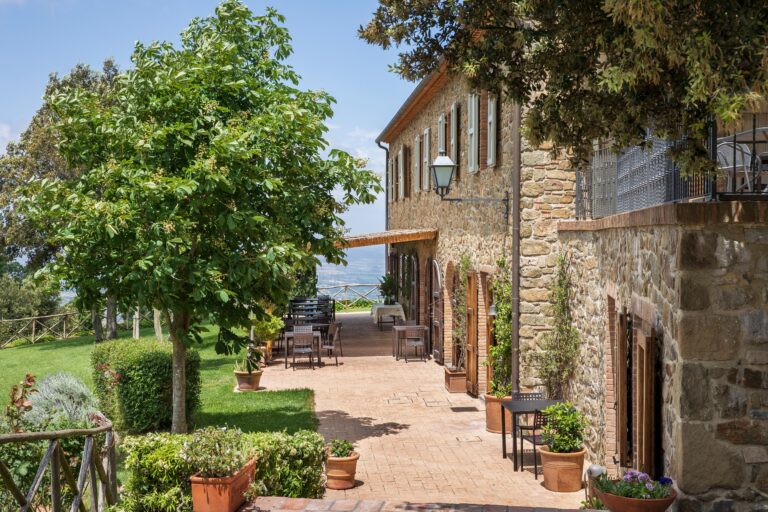 RestaurantsWhere to eat around Magliano in Toscana
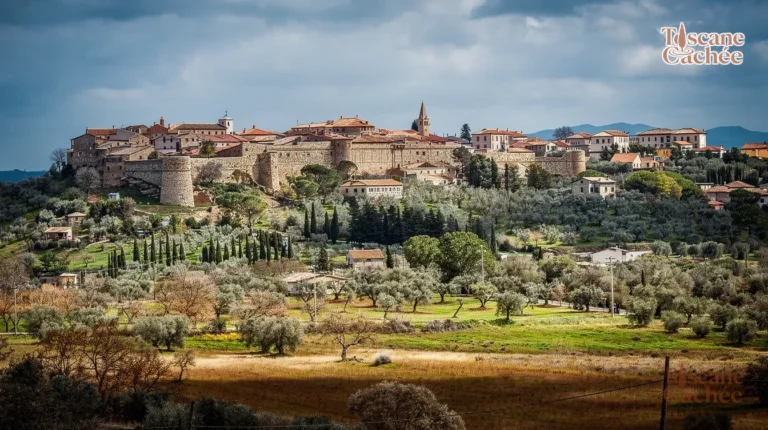 Places to visitThings to see around Magliano in Toscana
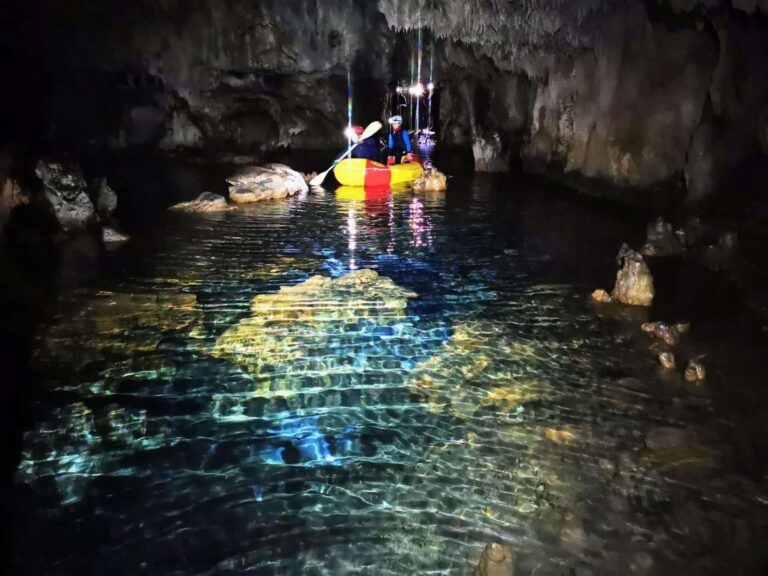 ActivitiesWhat to do around Magliano in Toscana
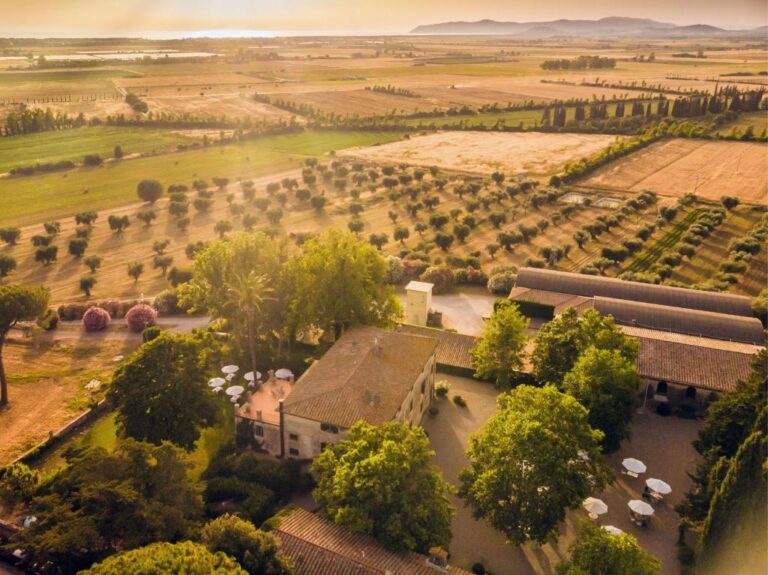 AgriturismosAgriturismos around Magliano in Toscana
 AccommodationsWhere to stay around Magliano in Toscana
 BoatsBoats around Magliano in Toscana