










Did you know that crossing a simple round sign edged in red in Italy can cost you up to 335 euros ? Between ZTL cameras and Tutor speed cameras on the motorway, driving in Italy is not something to improvise if you want to avoid unpleasant surprises in your mailbox.
This practical guide gives you the keys to decoding local signage, managing your access to protected zones and parking with peace of mind during your stay.
Driving in Italy: understanding ZTLs to avoid the trap
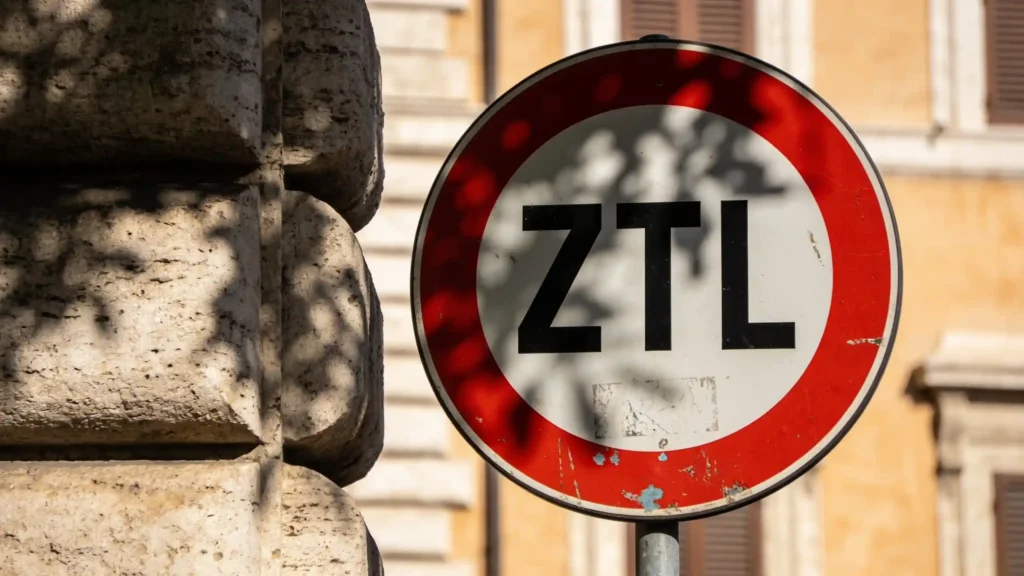
In Italy, 450 municipalities enforce Limited Traffic Zones (ZTL) monitored by cameras. Unauthorized access costs a fine of between 80 and 335 euros, a major risk when crossing circular signs with a red border.
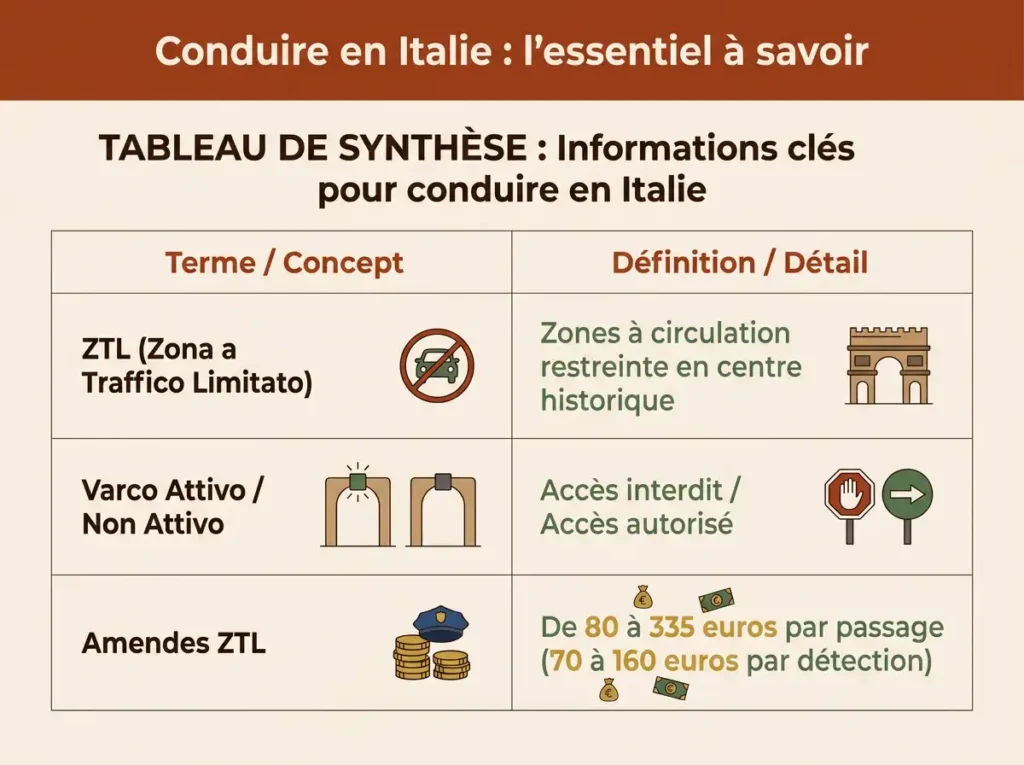
ZTL (Zona a Traffico Limitato): restricted traffic zones in the historic center. Varco Attivo: access prohibited. Varco Non Attivo: access allowed.
Crossing a restricted zone is often an oversight that takes a heavy toll on the vacation budget.
Recognizing surveillance signs and cameras
Look for the white disc bordered in red, the universal no-entry sign.
Cameras systematically sit atop entrance gates. They scan every license plate instantly. The system is automated and remains unforgiving in the face of errors.
Read the supplementary signs beneath the red disc carefully. They indicate the exact activation hours. The mentions Varco Attivo or Non Attivo are your only reliable indicators.
Fines range from 70 to 160 euros per passage. Camera detection operates 24/7 and the ticket often arrives several months after your return.
Managing access to your accommodation in the restricted zone
Prepare well your day-by-day itinerary in Maremma. Your hotel must absolutely register your license plate.
Send your license plate number before your arrival at the accommodation. The hotelier then enters it on a temporary municipal whitelist. This is the only legal method to enter. Always check for written confirmation.
Note, this exemption is only for unloading luggage. Never leave your car parked in the narrow streets of the center.
GPS reliability and bypass alternatives
Waze or Google Maps often ignore mobile schedule changes. Never trust them blindly in town. Use common sense with road signs.
Instead, use the peripheral parking solutions to avoid any stress:
- Parking at the entrance of Pitigliano
- Paid blue zones in Manciano
- Peripheral car parks of Grosseto
Walking remains your best ally en Maremma. Les navettes locales desservent aussi très bien les cœurs historiques sans aucun risque financier.
3 tips for mastering tolls and the motorway
After avoiding the pitfalls of city centres, you will have to face the Italian motorway network and its technical specificities.
Your Liber-t badge often works in Italy. Simply check that the Europe option is activated in your current contract.
Look for the yellow Telepass logo above the lanes. That's where you must go through for an automatic trigger. If you don't have a badge, aim for the blue signs. They indicate payments by standard bank card.
Avoid lanes reserved for local subscribers. You risk blocking all traffic behind you.
- 130 km/h on motorways (110 km/h in the rain).
- +33 % surcharge on fines between 10pm and 7am.
- 0.0 g/l alcohol tolerance for licences less than 3 years old.
The maximum speed is 130 km/h on motorways. In rainy weather, it immediately drops to 110 km/h. Be vigilant, checks are frequent on major roads.
Beware of the Tutor system. It calculates your average speed between two gates. Slowing down just in front of the camera will therefore be of no use at all here.
Motorway signs are green. On national roads, they turn blue. Do not confuse the two types of networks.
Check the Euro standard of your diesel engine. Old vehicles face severe restrictions.
Some cities like Milan enforce the Area B. It is a huge environmental zone off-limits to polluting cars. Look up the calendar of eco days before driving north.
A ban can come down suddenly. Stay connected to local news during your stay.
How to park without risking the impound lot?
Once you arrive at your destination, the challenge is to find a legal spot without ending up in the municipal impound lot.
Blue: Paid. White: Free. Yellow: Reserved (residents, emergency vehicles, disabled). Immediate risk of impound on yellow lines.
Blue lines mark paid parking. Look for the nearest parking meter to avoid trouble. White lines, on the other hand, are free but remain very rare in city centers.
Never park on yellow lines. They are strictly reserved for residents or emergency vehicles. The impound lot intervenes very quickly in these specific cases.
Check the street cleaning signs. One specific day per week, parking becomes prohibited.
Managing your fines requires vigilance, especially with a Maremma car rental. Rental companies often charge administrative fees. Every fine received results in an automatic debit on your card.
The report sometimes arrives months after your return. This is a completely normal international procedure. Don't be surprised by this rather long administrative delay.
Contesting from France is complex. Often, paying quickly reduces the total amount owed.
The Disability Mobility Inclusion Card is recognized in Italy. It allows you to use parking spaces marked with the international blue pictogram.
Be careful, having the card is not enough for the ZTLs. You must absolutely contact the local municipal police before entering. They will record your passage to avoid an automatic fine, as specified on the parking cards for disabled persons.
Plan ahead for your travels. The rules vary slightly from one municipality to another.
Staying in Maremma: agritourism farms far from urban stress
To forget these administrative hassles, the best thing is to choose accommodation nestled in the heart of the Tuscan countryside.
Prefer estates located in the middle of wild nature. This way you will avoid all limited traffic zones. Discover Al Girasole: The Authentic Agriturismo of Maremma to a serene stay.
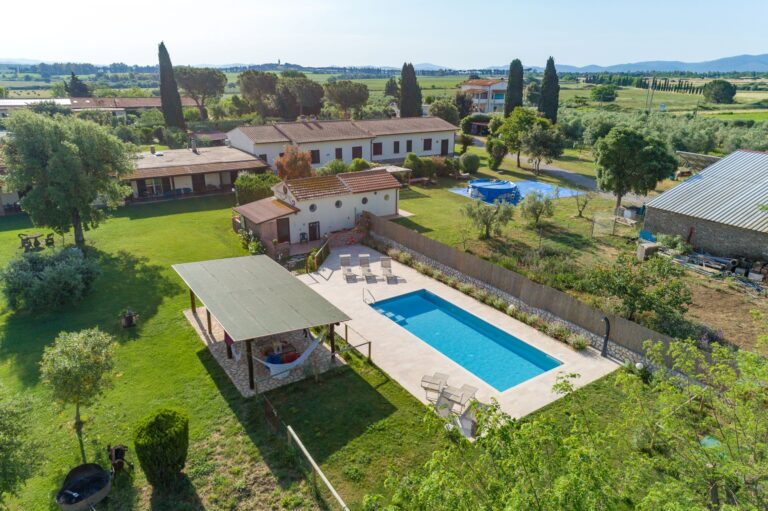
Agriturismo Al Girasole
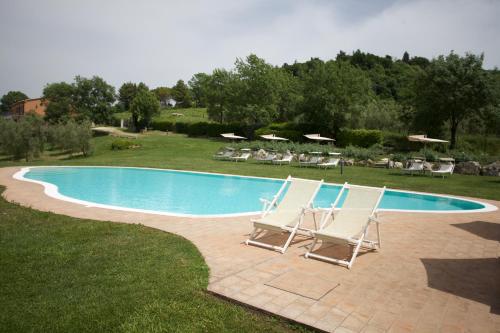
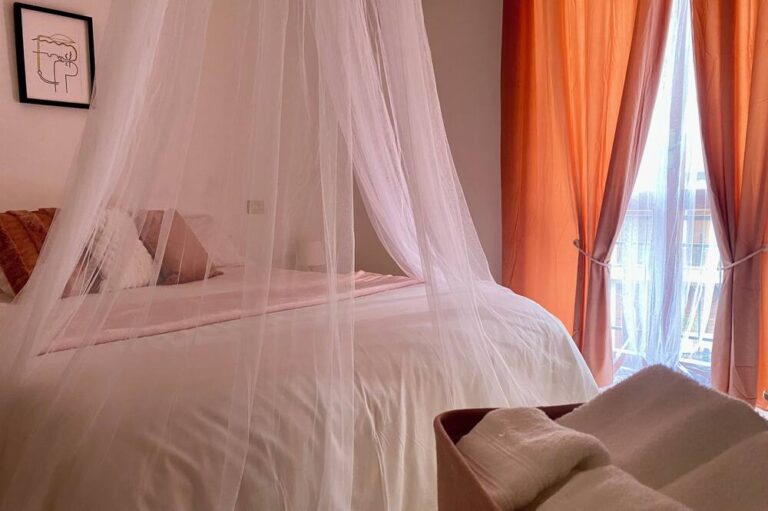
Agriturismo in Orbetello with vineyard adjoining, homemade wine, seasonal pool and hot springs at 37 °C, 10 min from the beaches
 Expedia
| Agriturismo | Commune | ZTL Access | Strong point |
|---|---|---|---|
| Al Girasole | Grosseto | No ZTL | Authenticity |
| Tenuta Marsiliana | Manciano | No ZTL | Landscape |
| Agriturismo Scansano | Scansano | No ZTL | Vineyards |
| Maremmana farm | Capalbio | No ZTL | Wild nature |
The country roads are magnificent. Enjoy the scenery without watching for cameras.
Always keep your original documents in the glove box. The Italian police systematically ask for the vehicle registration document.
Your insurance certificate must be valid for abroad. Also bring a blank European accident statement form. It's essential in case of a minor scrape on a back road. Use a Italy eSIM to stay connected.
Verify each passenger's identity. Identity checks can happen at any time.
Stay calm and polite with the Carabinieri. Hand over your papers without making unnecessary fuss. Courtesy greatly facilitates exchanges at the roadblocks that are frequent in summer.
Be aware that night fines are more expensive. Between 10 pm and 7 am, the amount increases by a third. Scrupulously follow the traffic rules after sunset.
Don't forget your yellow vest. It is mandatory in case of a breakdown on the roadside.
By following these traffic and parking rules, you you will serenely enjoy the landscapes of Maremma. Anticipate your access to protected areas and favor peripheral parking lots to avoid any administrative stress. Would you now prefer to explore the medieval villages on foot or try an adventure on the secondary roads?
Hébergements · Manciano
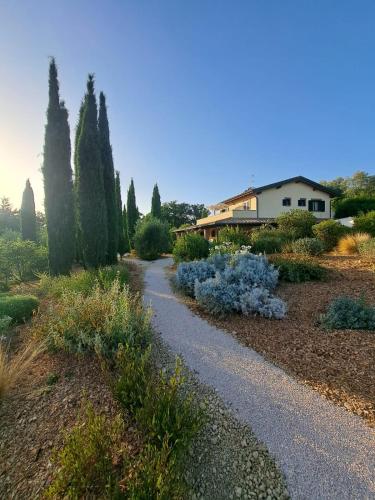
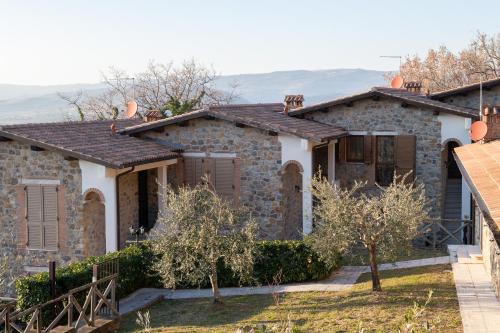
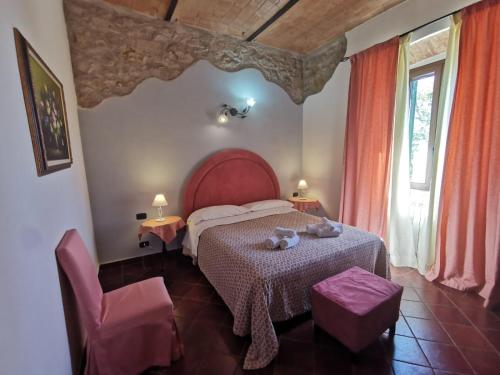
Nos hébergements préférés autour de Manciano
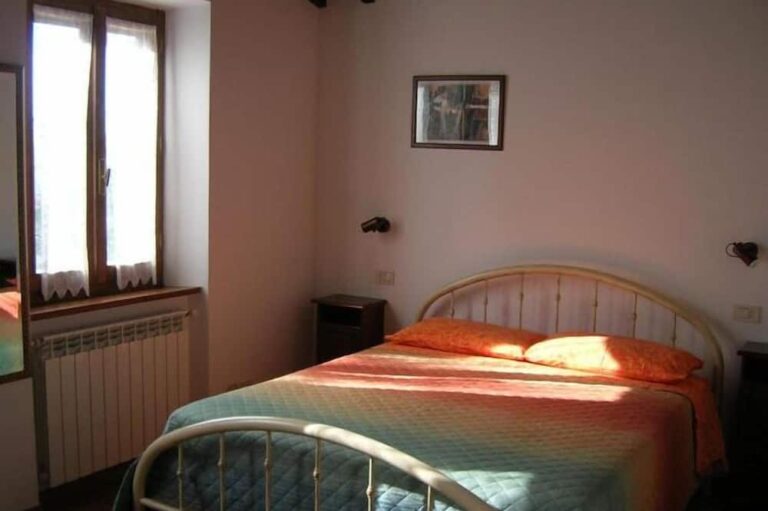
That’s an excellent question and a major concern for anyone traveling in Tuscany, especially in hilltop villages like Pitigliano where the historic centers are often ZTLs. To avoid any fine, the first step is to clearly identify the limited traffic zones. At the entrance to these zones, you will see round signs with a red border, often accompanied by the words «Zona a Traffico Limitato» and an electronic sign indicating « Varco Attivo » (access forbidden) or « Varco Non Attivo » (access allowed). These zones are monitored by cameras that scan license plates, and a single unauthorized passage can result in a fine ranging from 80 to 335 euros, which may arrive several months after your return.
The key to your stay in Pitigliano is communication with your host. Even before your arrival, it is essential that you send your license plate number to the establishment where you will be staying. The hotelier or the owner of the agriturismo will then have to register it on a municipal « white list ». This procedure is the only legal guarantee that your vehicle can temporarily enter the ZTL without being fined. However, this exemption is generally limited to unloading luggage. It is strongly discouraged to leave your car parked in the narrow streets of the historic center. Instead, use the peripheral parking lots of Pitigliano, often located at the entrance to the village, and prefer walking or local shuttles to get around once you are settled in. Don’t hesitate to ask your host for written confirmation that your plate has been properly registered for maximum peace of mind.
That’s an excellent question regarding the smoothness of your journeys on Italian highways, especially if you plan to explore the beautiful region of Maremmma. The good news is that, in most cases, your French Liber-t badge (also known as Bip&Go or Ulys) is compatible with the Italian electronic toll system Telepass. However, it is crucial to check beforehand that the « Europe » option is properly activated in your current contract. Without this activation, your badge will not be recognized and you will have to use the classic payment lanes.
When you approach a toll booth, look for the lanes marked with the yellow Telepass logo. That’s where your badge will be detected automatically, allowing you to pass without stopping. If you don’t have a compatible badge or if the Europe option is not activated, head for the lanes indicated by blue signs, which accept payment by standard credit card or in cash. Avoid at all costs the lanes reserved for local subscribers without a valid Telepass, as you risk blocking traffic and causing inconvenience. Italian highways are marked by green signs, while national roads are blue, a useful distinction to avoid taking the wrong network. Keep in mind that the maximum speed is 130 km/h on highways, but it drops to 110 km/h in rainy weather. Speed checks are frequent, including the Tutor system which calculates the average speed between two gantries, so slowing down just before the camera is not a solution.
Absolutely! For a serene and authentic experience in Maremmma, far from the hassles related to ZTLs and urban parking, agritourismos are the ideal solution. These establishments, often restored old farms, are nestled in the heart of the Tuscan countryside, guaranteeing you easy access with no traffic restrictions. You will be able to fully enjoy the magnificent landscapes without worrying about cameras or prohibition signs. It’s also an excellent way to discover the local gastronomy and the rural way of life in Tuscany. If you want to learn more about the budget for this type of accommodation, I recommend checking out our article on the cost of a night in an agriturismo in Maremma.
Here are a few suggestions of agritourismos in Maremmma that will offer you this peace of mind: the Al Girasole agriturismo near Grosseto, renowned for its authenticity and warm welcome; the Tenuta Marsiliana in Manciano, %s, which offers breathtaking landscapes; the Agriturismo Scansano, %s, ideally located in the heart of the vineyards for wine lovers; and the Maremmana farm in Capalbio, perfect for lovers of wild nature. All these establishments are located outside ZTL zones, which means you won’t need to send in your license plate and you’ll be able to park your car easily and free of charge. This will allow you to focus on exploring the wonders of Maremmma, whether it’s the beaches of the Etruscan Coast, %s, the wild hot springs or the medieval villages, without the stress of urban traffic.
Renting a car is an excellent idea for exploring Maremmma et la Etruscan Coast, %s, as it gives you great freedom to discover less accessible places. However, parking in Italy has its specifics and it is crucial to know them to avoid inconveniences. The color code of the lines on the ground is your best ally: blue lines indicate paid parking, white lines free parking (very rare in city centers), and yellow lines reserved parking (residents, emergency vehicles, disabled). Parking on a yellow line, even for a few minutes, can lead to immediate towing and a hefty fine, especially if you have a car rental in Maremma.
For blue lines, always look for the nearest parking meter (often a gray or blue post) to buy your ticket and place it clearly visible behind your windshield. In some cities, parking is time-limited, even in paid spots, so check the additional signs carefully. Another trap to avoid is street cleaning signs: on a specific day each week, parking is prohibited in certain places to allow the street sweepers to pass. Failing to respect this prohibition can also result in a fine or towing. Finally, if you have a Disability Mobility Inclusion Card %s (disability card), it is recognized in Italy for dedicated spaces (international blue pictogram), but be careful, this does not give you the right to enter a ZTL without prior authorization from the municipal police. Vigilance is essential, as fines can arrive several months after your return, and rental companies often charge administrative fees on top of the fine amount.
Yes, you are absolutely right to be vigilant about this point! In Italy, fines for certain traffic violations, including speeding, are increased if committed at night. More precisely, between 10 p.m. and 7 a.m., %s, the amount of the fine is increased by one third (+33%). This is a deterrent measure to encourage caution while driving during hours when visibility is reduced and fatigue may be more present. So, if you plan to drive late to reach an agriturismo near the famous Saturnia Hot Springs, %s, it is all the more important to scrupulously respect the speed limits.
Speed limits are 50 km/h in town, 90 km/h on secondary roads, 110 km/h on expressways and 130 km/h on highways (reduced to 110 km/h in rainy weather). Keep in mind that speed cameras are not always signposted and the Tutor system on highways calculates your average speed between two points, making any attempt to slow down at the last moment useless. Speeding fines can vary considerably: a slight excess of less than 10 km/h can cost between €41 and €168, %s, while an excess of more than 60 km/h can reach up to €3,287. %s. The night surcharge will apply to these amounts. In addition, be aware that the alcohol tolerance is 0.0 g/l for licenses less than 3 years old. It is therefore essential to stay sober and vigilant, especially at night, to fully enjoy your stay in Maremmma without any unpleasant surprises.
That’s a very relevant observation and an essential warning for your trip to Tuscany. %s. Indeed, GPS applications like Waze or Google Maps, %s, although useful for general navigation, are not always up to date regarding Italian ZTLs. The activation times of these zones can vary, and a « Varco Attivo » (access forbidden) can appear without your GPS signaling it, leading you straight to a fine. Blindly relying on these applications in town is a risk I strongly advise you not to take.
The best alternative is to use common sense and pay extreme attention to road signage. Round signs with a red border are the universal indicators of prohibition and are systematically present at the entrances to ZTLs. Read carefully the supplementary plates under the red disc, as they indicate the precise activation times. If you have the slightest doubt, it is always better not to enter. To avoid any stress, favor peripheral parking solutions. For example, in Pitigliano, parking lots are often available at the entrance to the village. In Manciano, you will find paid blue zones. In larger cities like Grosseto, numerous peripheral parking lots will allow you to leave your car safely and then use walking or local shuttles to reach the historic centers. Walking is, moreover, your best ally for exploring the charming villages of Maremmma without any financial risk related to ZTLs.
Around this article


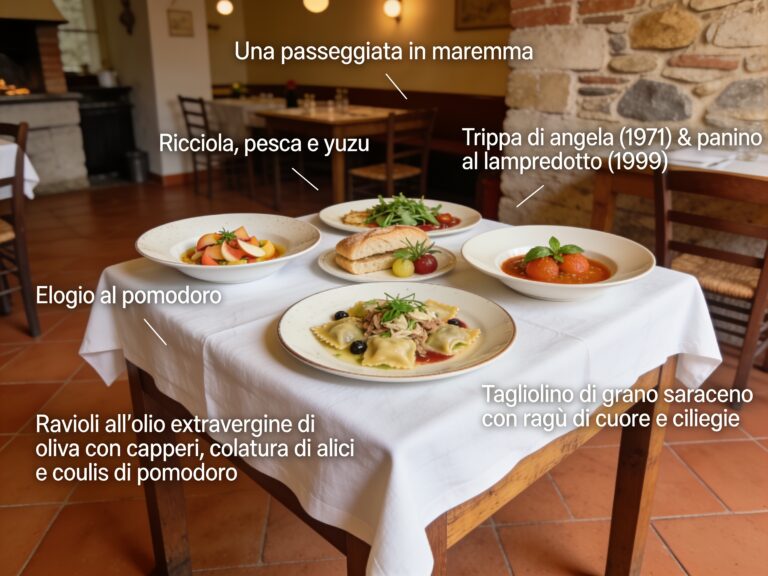
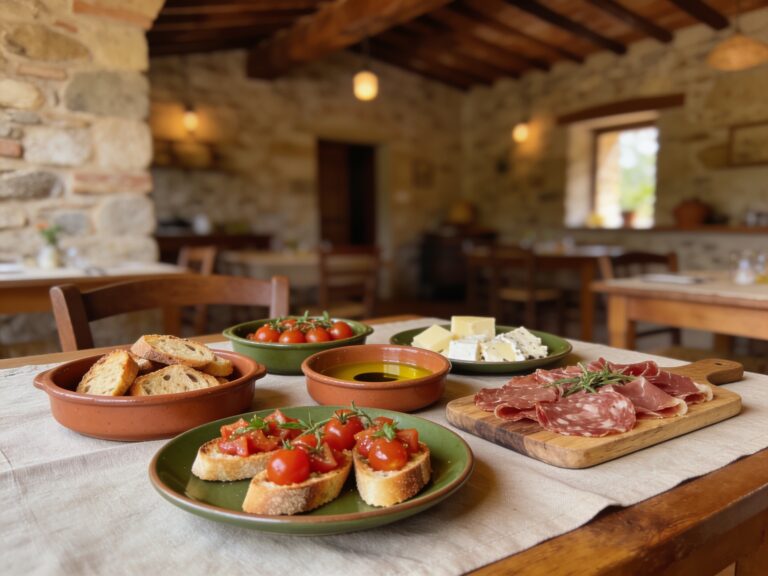


Is the map not displaying? See accommodations on Stay22
Map and prices provided by Stay22: Toscane Cachée may receive a commission on bookings.
You will also like

Renting a car in Italy from France: the 5 mistakes never to make
Avoid the fatal mistake of the debit card in Italy. Discover how to manage your…

Renting a car at Pisa airport for Maremma: prices, pitfalls, and insurance in 2026
Rent your car at Pisa airport to explore Maremma in 2026. Avoid…

Tuscan Maremma by car: road map, distances and tips for getting around in 2026
Explore the Tuscan Maremma by car: avoid ZTL zones, choose an SUV…

Do you really need a car to visit Maremma? (The honest answer)
Discover how to visit Maremma without a car. Use the Pisa-Rome train and the buses…