

Do you think every great cheese has its own PDO? Think again, because the manciano pecorino official designation does not exist, the shepherds preferring to rally behind the Toscano DOP banner to gain weight in the market.
I'll explain how to uncover the true character of the Maremma hidden under this regional label and why the know-how of the local cooperative changes everything when tasting.
The DOP logo doesn't make the monk in Manciano

Manciano Pecorino
Le pecorino de Manciano est un fromage de brebis du terroir maremman, dégusté frais et doux ou affiné et intense

Tosco Forget the classic versions and go straight for the *Rosso Manciano*: its rind rubbed with tomato and olive oil gives it a unique rustic character that easily rivals the stars of Pienza!
Manciano Pecorino uses the label Pecorino Toscano DOP for its legal recognition, but its true identity lies in the methods of the local cooperative bringing together 150 sheep farms in the Maremma. This distinction between regional designation and communal know-how defines the unique aromatic profile of these artisanal cheeses.
Pecorino Toscano DOP: Protected Designation of Origin guaranteeing strict production standards in Tuscany. Manciano production falls within this legal framework while preserving artisanal variants outside the label.
Why the Manciano designation does not exist on paper
Manciano is not an autonomous protected designation. Your local producers therefore rally to the broader banner of Pecorino Toscano DOP. That is their only official legal basis today.
This administrative choice makes it possible to carry more weight in the national market. Historically, unity is strength for these shepherds.
The regional label thus serves as a legal foundation. Yet, for us here, the village name remains an informal guarantee of quality. It is a far more powerful reference point.
The guarantee of the official label versus the taste of pure terroir
The DOP specifications impose strict constraints on the shepherds. The label guarantees geographic origin. But it sometimes stifles creative originality from the artisans of Maremma.
Some local products deliberately do without the official logo. They prefer to follow an ancestral recipe that does not conform to modern standards. This allows to preserve rawer and truly authentic flavors.
This lack of a specific label fosters an incredible taste biodiversity. You will thus find gems that cannot be found in supermarkets. That is where Manciano's true treasure lies.
Caseificio Manciano: the cooperative that saves our traditions

Caseificio Manciano
Cheese cooperative of Manciano bringing together 170 producers and ageing its Toscano DOP pecorino in caves carved into the rock

Tosco A little gourmet tip: don't stop at the classic fresh pecorino and instead ask for their version aged under ash, that's where all the wild character of the Maremma explodes!
While the official designation remains regional, the soul of the cheese lies within the walls of the local cooperative which brings together the entire territory.
A visceral anchoring in the hills of the Maremma
The Caseificio Manciano is not a simple factory, but the true economic lung of our hills. Since 1961, this structure has protected small producers.
Here, the shepherds' work is a sacred institution. The province of Grosseto concentrates 48% of Tuscany's dairy sheep. It is a heavyweight of local identity according to data on sheep farming in Tuscany.
Partner local farms
Some Tuscan sheep livestock in Grosseto
Wild flora dictates the taste of the milk. The herbs of the pastures give each wheel changing aromatic notes. It is the anti-standardization par excellence.
The strength of this model rests on solid pillars :
- 150 local farms committed.
- Semi-extensive, respectful farming.
- Strict respect for seasonal cycles.
Indigenous ferments and methods that don't cheat
For the bacterial signature, we don't reach for laboratory sachets. The Caseificio uses indigenous ferments harvested on site. It's the only way to guarantee a typically Mancianese taste.
Working with raw milk demands surgical precision. The curd is handled to preserve the natural enzymes. It's this gesture that defines the texture, from suppleness to granular structure.
Forget soulless industrial cheeses. Here, each batch has its own personality. It all depends on the day's milking and the mood of the pastures.
Fresh or aged: don't get the texture wrong
Once you understand the know-how, you must learn to choose your piece according to your mood at the moment and the stage of maturation.
The creamy mildness of a few-days-old pecorino
Young pecorino is a caress for the palate. Its its mildness is incomparable. You will find bold notes of butter and fresh milk there.
The moisture is still very present in the paste. It is the ideal cheese for those who dread excessive sharpness. Its texture is supple and pure white.
A slice on unsalted Tuscan bread is enough. Do not mask this finesse with overly strong condiments. Simply savor it for what it is.
You will often find this cheese served during a Breakfast in an agriturismo. It is the ideal wake-up call for your taste buds before tackling the day.
The tangy, dry character of long-aged stagionato
Time transforms the sugars into complex and lingering aromas. The character asserts itself clearly. You will quickly analyze the evolution toward hazelnut and hay.
The rind thickens and the paste becomes crumbly. This is the sign of slow, controlled evaporation in the aging cellar. Firmness gains ground over creaminess.
Look for an amber color and an undergrowth smell. That is where the terroir truly expresses itself. Good aging never lies about its origin.
| Type | Aging | Texture | Dominant taste |
|---|---|---|---|
| Fresco (Fresh) | 20 to 40 days | Supple and creamy | Fresh milk and butter |
| Semi-stagionato | 2 to 4 months | Firm but elastic | Dried fruits and hay |
| Stagionato (Aged) | 4 to 6 months and more | Hard and crumbly | Hazelnut and tangy |
Nos adresses · Manciano
Nos adresses préférées autour de Manciano
Alcohol abuse is dangerous for health, consume in moderation.
Where to find the real cheese and how to respect it
To experience the full experience, all you need to know now is where to fill your basket and how to pamper your finds.
Tracking down the authentic product at the Saturday market
Head straight to the Manciano market on Saturday morning. That's where the locals jostle for genuine product. Forget the overly shiny shops of the historic center, often too polished.
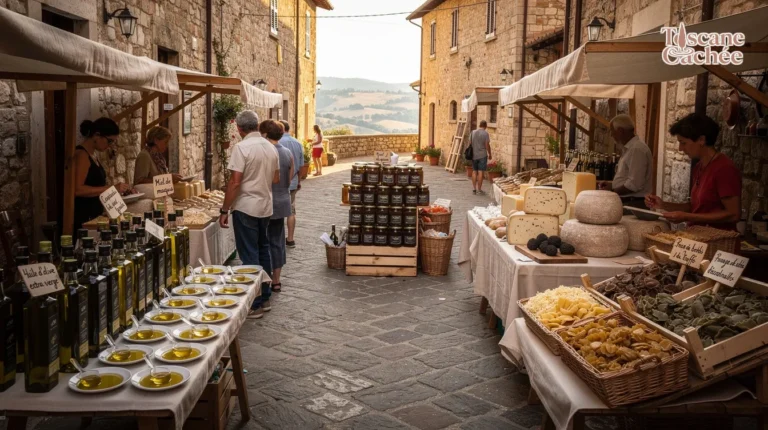
Manciano Market
Saturday market on the Piazza Dante, in the heart of the medieval village of Manciano, with locally pressed oil, maquis honey, sheep's cheese with truffle and artisanal pasta
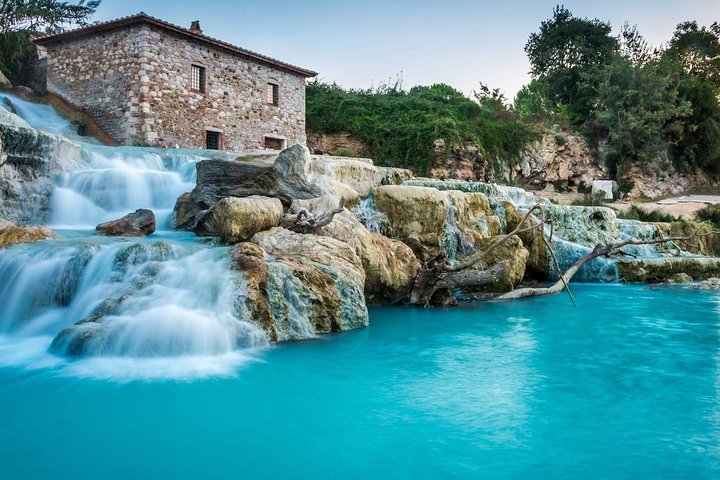
Tosco My tip if you pass by there on a Saturday: stock up on pecorino and maquis honey on Piazza Dante before dashing off for a dip in the Saturnia waterfalls just down below!
Keep your eyes on the stalls. An irregular or spotted rind is the telltale sign. It proves your cheese hasn't undergone treatment with plasticky antifungals. It's raw, it's alive.
Also stop by the Caseificio shop. The freshness there is unbeatable. Plus, the prices are straightforward.
The tricks to keep it fresh without smothering the taste
Stop right away with the plastic wrap. That horror makes the paste sweat and ends up giving it rancid tastes. Your cheese needs to breathe to stay worthy of the name.
Never let your pecorino suffocate under plastic. Prefer parchment paper or a damp cloth in the vegetable drawer to keep the right humidity without ruining the aromas.
Use parchment paper instead. A damp cloth can also do the trick in the vegetable drawer. This maintains humidity without smothering the natural aromas of the ewe's milk.
Finally, respect the temperature. Take your piece out one hour before. It's the minimum for to taste it.
Pairings with Scansano wines for a taste sensation
Pour yourself a glass of The Morellino di Scansano. Its tannic structure is perfect. It supports without faltering the most aged pecorinos, the famous stagionato.

Morellino di scansano DOCG
Morellino di Scansano is the Maremma's red DOCG, a Sangiovese grown over roughly 1500 hectares around Scansano, a village situated at 500 meters above sea level
Tosco Forget the severity of a Chianti: here, the sea breezes fill the Sangiovese with sun to give a much rounder and fruitier red, perfect to enjoy young with an aged pecorino!
If you go for something fresh, try a lively local white. The acidity of an Ansonica cuts through the cheese's fatness. It's the ideal balance for an aperitif under the Maremma sun.
For a explosion in the mouth, pair your aged pecorino with chestnut honey. Its slight bitterness teases the power of the sheep's milk.
Don't forget the chestnut honey. Its slight bitterness complements the power of the cheese. It's the inseparable duo you'll find on every table here.
Pecorino from Manciano is not just a simple label, it's the raw taste of Maremma that you find in every slice. Whether you choose the mildness of the fresh or the strength of the stagionato, always favor the short supply chain. Do you prefer the caress of the milk or the tang of a characterful aging.
This is an excellent question that reveals the complexity behind quality labels. Manciano pecorino, although very distinctive and appreciated, does not have its own PDO for strategic and historical reasons. The local producers, grouped in particular within the Caseificio Manciano, chose to register under the broader banner of Pecorino Toscano DOP. This decision allows them to benefit from legal recognition and significant commercial weight on the national and international market, which would be much more difficult to obtain for an isolated municipal designation. The Pecorino Toscano DOP label guarantees strict production standards at the regional level, providing a solid legal basis for marketing.
However, this integration under a regional designation does not mean that Manciano pecorino loses its identity. On the contrary, the know-how of the 150 sheep farms of the Maremma partnered with the Caseificio Manciano brings a unique soul to the product. The local production methods, the use of indigenous ferments collected on site, and the milk from the wild pastures of the Maremma give Manciano cheese very specific aromatic profiles. That is why, even without a dedicated PDO, the name of Manciano remains an informal but powerful guarantee of quality for connoisseurs and locals. It is a clever strategy that combines the strength of a regional label with the richness of a terroir and local artisanal know-how.
To track down the authentic pecorino from Manciano and not settle for a generic DOP Tuscan pecorino, you should favor short supply chains and places of sale that have a direct link with the producers. The best option is without any doubt to go directly to the Manciano market on Saturday morning. That is where the locals buy their supplies and where you will find the freshest and most characteristic cheeses. Do not hesitate to observe the stalls: an irregular or slightly spotted rind is often a good sign, indicating that the cheese has not undergone industrial antifungal treatments. It is the reflection of a raw and living product.
Another must-visit address is the shop of the Caseificio Manciano. By buying directly from the cooperative, you are guaranteed unbeatable freshness and you benefit from direct prices, without intermediaries. It is also an opportunity to talk with the producers and learn more about their methods. For an even more immersive experience, I recommend looking for an Agriturismo restaurant in Maremma that showcases local products. Often, these establishments offer tastings or sell the farm’s cheeses directly. It is an excellent way to taste the difference and understand how the terroir of the Maremma manifests itself in each wheel. Always favor direct contact with the artisans to be sure of the origin and authenticity of your pecorino.
The difference between a fresh (fresco) pecorino from Manciano and a stagionato (aged) one is as marked as day and night, and each offers a unique taste experience. Pecorino fresco is a true caress for the palate. Its maturation is short, generally between 20 and 40 days, which gives it an incomparable mildness. Its texture is soft, creamy and pure white, with moisture still well present in the paste. In terms of taste, you will find frank notes of fresh milk and butter, with a slight acidity characteristic of young cheeses. It is perfect for those who dread excessive sharpness. To enjoy it, a simple slice on saltless Tuscan bread is enough, or as it is often served in an Agriturismo breakfast, for a gentle and flavorful wake-up.
On the contrary, stagionato pecorino is a cheese with character. Its aging is much longer, from 4 months and can go up to 6 months and more. Time transforms the sugars into complex and persistent aromas. The rind thickens and the paste becomes hard and crumbly, with a slightly amber color. The taste evolves towards hazelnut notes, hay, and a more pronounced sharpness. It is a cheese that fully expresses the terroir of the Maremma. . It is ideal to be tasted on its own, at the end of a meal, or grated to enrich pasta dishes. For a taste explosion, pair your aged pecorino with chestnut honey, whose slight bitterness sublimates the power of the sheep’s milk. Do not forget to take it out of the refrigerator an hour before serving so that it reveals all its flavors.
For an authentic taste experience with pecorino from Manciano, the choice of wine will greatly depend on the aging stage of the cheese. If you opt for pecorino fresco, with its milky and creamy mildness, it is best to pair it with a lively and fresh local white wine. The acidity of an Ansonica, a typical grape variety of the Tuscan coast, or of a Vermentino, will perfectly cut through the fat of the cheese without masking its delicacy. These wines will bring a beautiful freshness in the mouth, ideal for an aperitif under the sun of the Maremma or as an accompaniment to light dishes.
For stagionato pecorino, whose character is more assertive with hazelnut notes and a sharpness, you need a wine capable of standing up to this intensity. A Morellino di Scansano is the perfect pairing. This red wine from the Maremma, based on Sangiovese, has a tannic structure and fruity aromas that support without faltering the powerful flavors of the aged cheese. It is a classic and inseparable duo on the region’s tables. And for an even more gourmet pairing, do not forget the chestnut honey. Its slight bitterness beautifully complements the power of the aged pecorino, creating a harmony of flavors that is a true emblem of the local gastronomy. You will find this honey at local producers or in the region’s delicatessens.
The storage of your pecorino from Manciano is crucial to preserve all its taste qualities, whether you are still in Tuscany or back home. The golden rule is to ban plastic wrap. Contrary to what one might think, plastic suffocates the cheese, makes it sweat and can give it unpleasant rancid tastes. Your pecorino, whether fresh or aged, needs to breathe to maintain its balance and delicate aromas.
The best storage method is to use parchment paper or, failing that, a damp cloth. Carefully wrap your piece of cheese in one of these materials, then place it in the vegetable drawer of your refrigerator. The vegetable drawer offers an ideal relative humidity that prevents the cheese from drying out without suffocating it. This technique makes it possible to maintain good hygrometry and to let the cheese breathe, which is essential for the ferments and the aromas. Finally, for optimal tasting, remember to take your pecorino out of the refrigerator at least one hour before serving. This will allow it to reach room temperature and fully release all the richness of its flavors and aromas, whether it is the milky mildness of the fresh one or the complex sharpness of the stagionato.
The Caseificio Manciano is not just a simple dairy; it is the true beating heart of pecorino production in the Tuscan Maremma, and an essential player for local producers. Founded in 1961, this cooperative represents a fundamental economic and social model for the region. It brings together about 150 local sheep farms, thus offering a visceral anchoring in the hills of the Maremma. Its role is multiple: it protects small producers by offering them a structure to transform and market their milk, thus ensuring the sustainability of an ancestral know-how and a semi-extensive farming method that respects animals and the environment.
Beyond the economic aspect, the Caseificio Manciano is the guarantor of the tradition and authenticity of the local pecorino. It stands out for its use of indigenous ferments collected on site, which gives the cheese a unique bacterial signature and a typically mancianese taste that the industry cannot reproduce. The work of the milk, often raw, is carried out with artisanal precision, preserving the natural enzymes and allowing an incredible taste biodiversity. By supporting the Caseificio Manciano, you support not only a quality product but also an entire community of shepherds and a way of life that contribute to shaping the landscape and culture of the Maremma. It is a bastion that accounts for 37% of the regional production of pecorino and that embodies resistance against the standardization of flavors.
Around this article
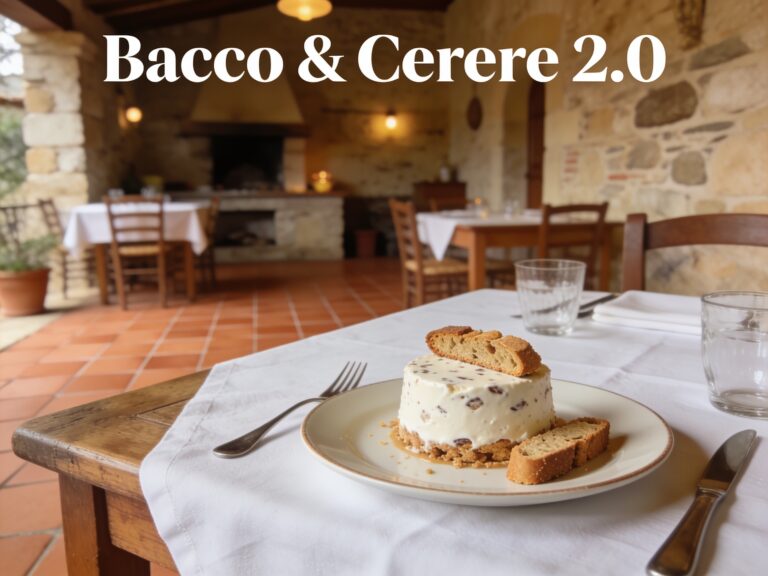
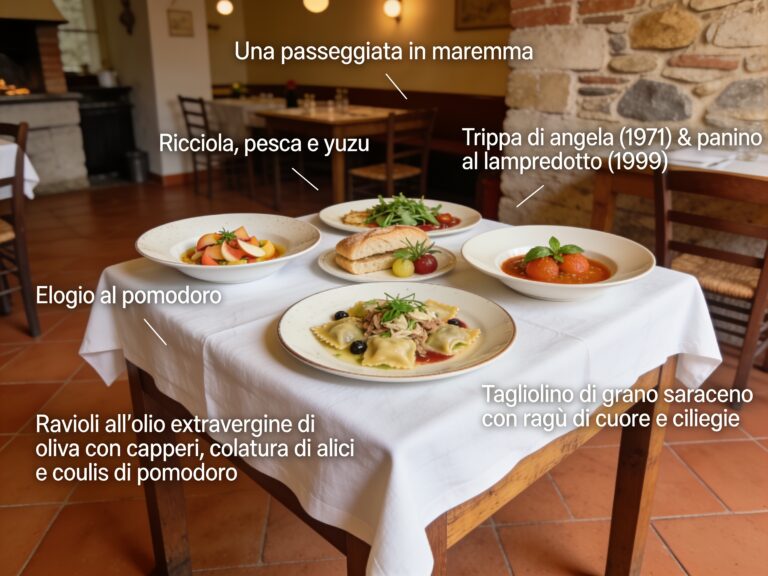
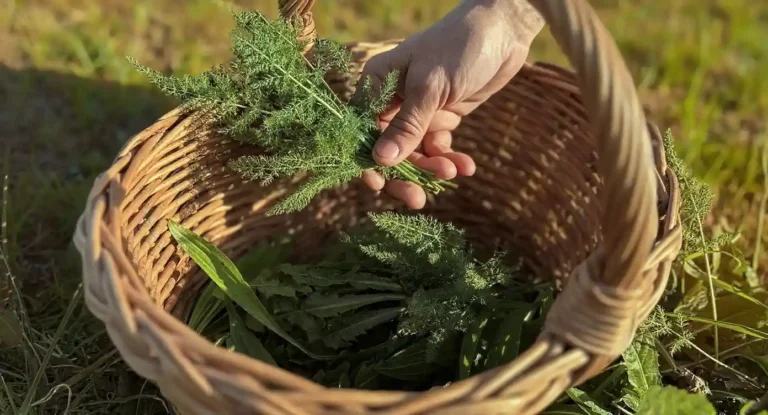
Maremma culinary workshop: wild herb foraging, tagliatelle class

Is the map not displaying? See accommodations on Stay22
Map and prices provided by Stay22: Toscane Cachée may receive a commission on bookings.
You will also like

Eating and drinking in Maremma: the guide to the real terroir 2026
Discover true Maremma gastronomy in 2026. Taste acquacotta and giant tortelli. Click…

Markets in Maremma: 6 places to taste the real Tuscany
Discover the best Maremma markets: from Orbetello bottarga to Pitigliano pecorino.…

Maremma: the 10 specialties of Tuscan cuisine
Discover Maremma specialties: acquacotta, wild boar and pecorino. A practical guide to tasting…

Morellino di Scansano: the Tuscan wine nobody knows about yet
Unlike Tuscany's full-bodied reds, Morellino di Scansano offers a unique marine freshness thanks…