

You think you know Tuscany, but have you ever explored the roots of wild Maremma? Before treading the soil of Roselle, you absolutely must stop at the maam grosseto to understand this territory unlike any other.
This guide reveals how to decode the Etruscan treasures and medieval masterpieces of the Palazzo del Vecchio Tribunale for make your visit a success.
The MAAM Grosseto: your key to decoding wild Maremma
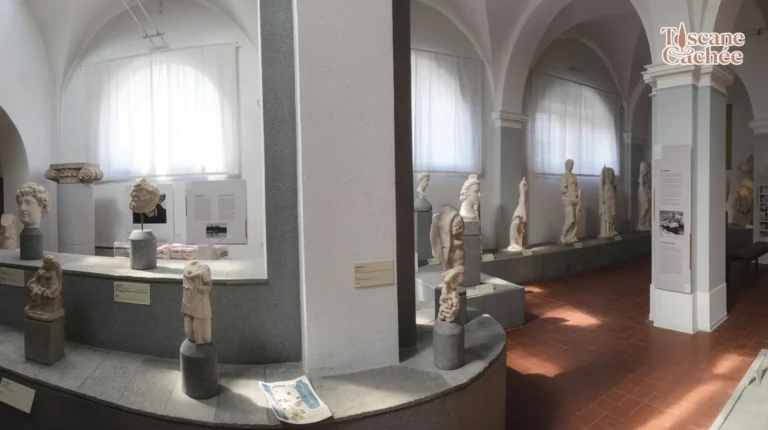
MAAM — Archaeological and Art Museum of the Maremma
Housed in the former courthouse of Grosseto, the museum displays across forty rooms on three floors gold from Vetulonia, a bucchero bowl and statues from the forum of Roselle

Tosco First go see the treasures of the MAAM and its incredible Roman shipwreck before climbing up to the ancient site of Roselle: your eyes will read the ruins very differently!
The MAAM of Grosseto, located at Piazza Baccarini, centralizes the treasures of Roselle and the Maremma. Its collections decipher the Etruscan identity before exploring the outdoor archaeological sites of the Palazzo del Vecchio Tribunale.
Address: Via Vinzaglio, 27, Grosseto. Housed in the Palazzo del Vecchio Tribunale, Piazza Baccarini.
The Palazzo del Vecchio Tribunale and its local history
The museum occupies the former courthouse on Grosseto's main square. This imposing historic building is today the guardian of local memory in the heart of the city.
Its neoclassical architecture shapes the urban space with elegance. This massive façade forms a must-see landmark for you as you explore the historic center.
Inside, the contrast between the ancient stone and the relics is striking. You finally enter the living history of the official site of the MAAM.
The Chelli collection: the museum's birth certificate
In 1860, Canon Giovanni Chelli founded this cultural hub. His ambition was to’provide access to the Etruscan roots to all the inhabitants of the Maremma.
The centerpiece is a bucchero cup from the 6th century. This object is crucial because it bears a complete and unique Etruscan alphabet in the world.
This legacy protects the local identity. Without Chelli, these rare pieces would have disappeared.
This historical foundation has made it possible to integrate more recent excavations. The museum is thus continually enriched thanks to the systematic archaeological research carried out in the region.
From Roselle to Romanization: the archaeological gems
After understanding the origins of the museum, you must look into the physical links between the display cases and the terrain, in particular the site of Roselle.
Visit the MAAM without fail before heading to the archaeological site of Roselle. This will allow you to see the original statues, protected from the elements, and to better grasp the historical context before setting foot on the ruins.
Roselle: the direct link between the display cases and the site

Archaeological site of Roselle
Roselle combines an intact Roman amphitheatre in the closely mown grass and Etruscan cyclopean blocks from the 7th century BC

Tosco Much wilder and more intimate than Populonia, Roselle lets you explore an ancient amphitheatre and thermal baths Romans in the middle of the olive trees without meeting a soul. Climb all the way to the top in the late afternoon: the golden light on the plain of Grosseto is simply magical!
The museum creates a bridge between the statues of the forum and the outer ruins. The originals are kept here to protect them from time. You absolutely must see them before walking on the site. It is here that history takes shape.
Observing these marble faces gives a human dimension to the bare stones. You will find these remains later out in nature. These frozen gazes tell of the ancient city of Roselle better than any book.
The museum explains the layout of the official buildings. This contextualization greatly facilitates your orientation. Once on the hills of Roselle, you will better visualize the ancient organization. It is an indispensable step for your journey.
The Roman portraits found on site bear witness to the power of the ancient city. This imperial statuary is impressive.
One does not go without the other for a total immersion. The site and the museum form an inseparable whole for your trip.
Ceramics and objects: the traces of everyday life
These vessels tell of intense maritime trade. Maremma was connected to the entire ancient Mediterranean. It is fascinating to see these traces. The commercial amphorae reveal a dynamic economy open to the world.
You discover the intimacy of Etruscan and Roman families through these display cases. From bronze mirrors to kitchen utensils. These everyday domestic objects make the past tangible and close to us.
Artistic styles change and adapt to the new masters. It is a cultural mutation visible on every pottery fragment. This analysis of progressive Romanization shows how the traditions slowly blended.
The details of the Krater of the Florence Painter is a masterpiece. This Attic red-figure column krater draws all eyes. It perfectly illustrates the richness of the museum's ceramic collection.
These modest objects are sometimes more telling than the great monuments. They recount the lives of ordinary people with great precision.
- Attic red-figure krater
- Wine transport amphorae
- Engraved bronze mirrors
- Gold and glass paste jewelry
Sacred art and medieval roots: the other face of the museum
But the MAAM does not stop at Antiquity, it also houses the Museum of Sacred Art to explore the Middle Ages.
The Sienese painters and the local sacred heritage
The gilded panels of Guido da Siena illuminate the rooms on the second floor. The’influence of the Sienese school is omnipresent here. There you discover major works by this master.
The museum exhibits Sassetta and the diocesan heritage. The local churches entrusted their finest altarpieces to the institution. It is a chance to see them gathered in one place.
You quickly grasp the connection between faith and art. Each piece tells of a local devotion. You better understand the spiritual soul of the medieval Maremma by observing these sacred objects.
Admire the finesse of the details and the drapery. The technique is of remarkable precision for the period.
The history of Grosseto told through its artefacts

Grosseto
The provincial capital, Grosseto preserves a historic center encircled by walls and a cathedral
Tosco If you want to feel the true Etruscan magic, go and plunge into the Via Cava di San Giuseppe in Pitigliano: walking between these walls of tuff twenty meters high, it's a thousand times more impressive than any classical museum!
The tour shows the passage from village to fortified city. Urban excavations reveal the daily life of the people of Grosseto. The city was built upon centuries of local history.
From ancient coins to official seals are exhibited. These artefacts illustrate the economic and political growth of the city. Identifying the pieces helps to understand the evolution of the territory.
The ramparts and defense occupy a central place. The museum exhibits elements related to the protection of the city. You visualize the’strategic importance of Grosseto in the face of invaders.
| Period | Emblematic piece | Origin | Major interest |
|---|---|---|---|
| Etruscan | Chelli Cup | Chelli Collection | Engraved alphabet |
| Roman | Artemis statue | Forum of Roselle | Imperial art |
| Medieval | Sassetta painting | Cathedral | Sienese art |
| Modern | City wall plans | Archives | Military defense |
The exhibition highlights a real historical continuity. It shows that Maremma has always been a living crossroads between cultures.
Our addresses · Grosseto
Our favourite addresses around Grosseto

How can you organize your visit to the MAAM without stress?
So that your experience is perfect, here are some logistics tips for preparing your visit to Grosseto.
Practical info: opening hours, prices and smart access
Organize your visit to the MAAM by opting for early morning on weekdays. You will avoid the influx of school groups. You will thus enjoy the Etruscan rooms in absolute calm.
Families take advantage of advantageous rates to explore these historic collections. Find out about the national free-admission days often applied in Italy. Also think about senior discounts.
Download the free app to use the audio guide directly on your phone. It is the ideal tool to decipher the details of the city of Roselle without a paper guide.
This digital support radically transforms your understanding of the objects on display. It is an indispensable complement so as not to miss any of the historical explanations. For the most curious, check out this scientific study on the Artemis sculpture.
Where to sleep: choosing a certified agriturismo in Maremma
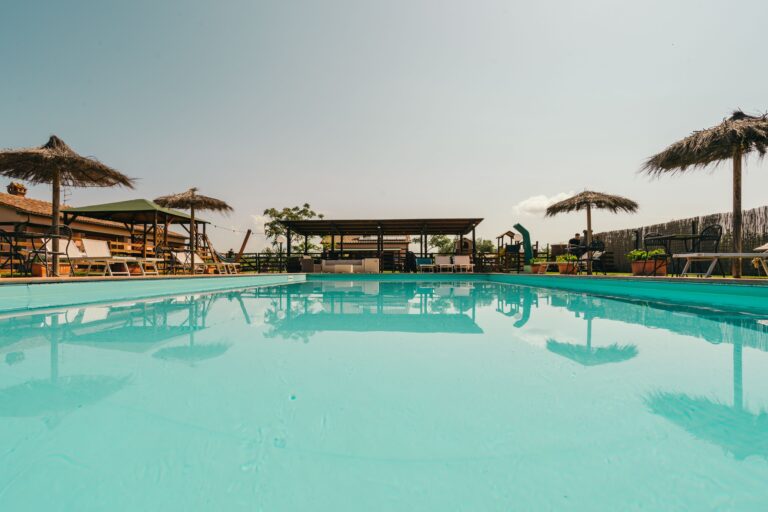
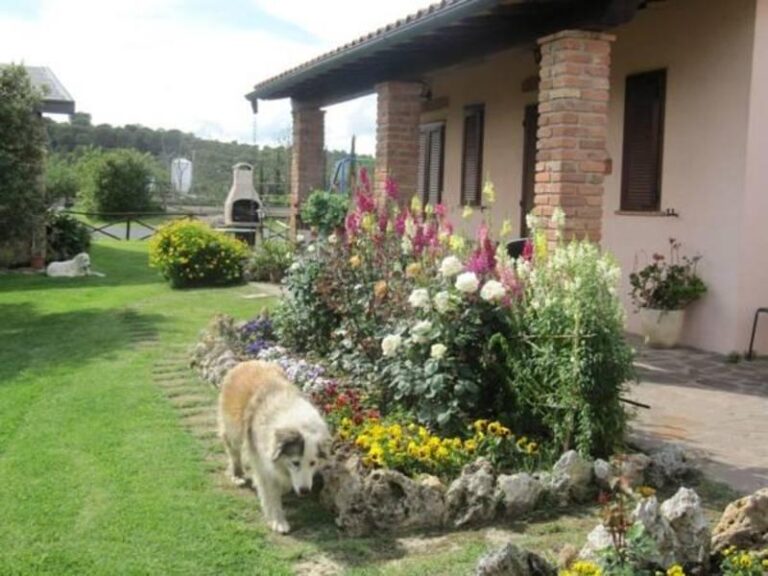
For sleeping, favor an authentic establishment like the Agriturismo Gli Archi near Grosseto. The surrounding countryside offers incredible havens of peace. It is perfect for extending your cultural immersion.
Imagine waking up among centuries-old olive trees after your day at the museum. These renovated farms often offer organic local products such as olive oil. It is the very essence of wild Tuscany that you are looking for.
Use certified addresses to avoid unpleasant surprises during your stay. Simple comfort and warm hospitality are always on the agenda. Find your affordable agriturismo in the Tuscan Maremma : the best places without breaking the bank in 2026.
The MAAM in Grosseto is an essential stop for decoding the history of the Maremma before exploring its wild sites. As you browse its collections, from Etruscan alphabets to Sienese altarpieces, you anchor your future discoveries in a concrete reality. Ready to step through the doors of the Palazzo del Vecchio Tribunale for an immersive journey.
Visiting the Museo Archeologico e d'Arte della Maremma (MAAM) in Grosseto before heading to the outdoor archaeological sites, notably Roselle, is absolutely essential to enrich your experience and give deep meaning to the ruins you are about to discover. The museum acts as a true key to understanding, allowing you to grasp the historical, cultural and archaeological context of the region. Indeed, the MAAM houses the original pieces and detailed explanations that will be invaluable to you once on site. You will see ancient statues there, such as the Roman portraits and the imperial statuary from the forum of Roselle, which are kept sheltered from the elements. These works of art, often very fragile, are presented in a controlled environment, allowing you to admire them in their finest details before visualizing their original location on the site.
Moreover, the museum traces the evolution of the civilizations that shaped the Maremma, from the Etruscans to the Romans and through the Middle Ages. You will discover emblematic objects such as the coupe bucchero du VIe siècle av. J.-C. portant un alphabet étrusque complet, a unique testimony to Etruscan writing. This chronological and thematic approach will give you the necessary landmarks to interpret the remains you will encounter. Without this introduction, the ruins of Roselle might seem like mere stones to you, but after your visit to the MAAM, every wall, every foundation will come alive and tell you a story. It is an indispensable immersion for any traveler wishing to go beyond simple observation and truly decode the Etruscan treasures and the medieval masterpieces of the Palazzo del Vecchio Tribunale.
At the MAAM in Grosseto, several pieces are absolutely essential to grasp the Etruscan and Roman identity of the Maremma. One of the most emblematic is the coupe bucchero du VIe siècle av. J.-C., , a piece unique in the world because it bears a complete, engraved Etruscan alphabet. It is a precious testimony to Etruscan writing and culture, and it comes from the collection of canon Giovanni Chelli, , the founder of the museum. This cup will give you a direct glimpse into the deep roots of this fascinating civilization.
For the Roman period, you must not miss the original statues from the forum of Roselle. These works, notably the Roman portraits and the imperial statuary, are of paramount importance because they were discovered at the nearby archaeological site of Roselle. Seeing them at the museum allows you to admire their finesse and state of preservation, before heading to the site where their original locations were. You will also find the cratère attique à figures rouges du Peintre de Florence, a magnificent ceramic that illustrates the intense commercial and cultural exchanges of the Maremma with the rest of the ancient Mediterranean. These objects, whether bronze mirrors or wine transport amphorae, tell of the daily life and the wealth of the civilizations that flourished in this region. These discoveries are essential for understanding the 5 must-see Etruscan archaeological sites of the Maremma.
Absolutely! The MAAM in Grosseto is not limited to Etruscan and Roman Antiquity; it also houses the Museum of Sacred Art of the Diocese of Grosseto, thus offering a complete perspective on the history and art of the Maremma up to more recent periods. This section is particularly notable for travelers interested in the Middle Ages and Sienese art. You will discover major works by Sienese painters there, including the panneaux sur fond doré attribués à Guido da Siena ou à son école, which illuminate the rooms on the second floor. The influence of the Sienese school is predominant there, bearing witness to the cultural and artistic importance of the region during that era.
The museum also displays pieces by Sassetta, such as the Madonna delle Ciliege from the Cathedral of San Lorenzo, as well as other altarpieces and liturgical objects entrusted by local churches. These collections of the Museum of Sacred Art are an excellent opportunity to understand the deep connection between faith and art in the medieval Maremma. In addition, the museum’s route traces the history of the city of Grosseto itself, from its status as a simple village to that of a fortified city. You will see artifacts such as ancient coins, official seals and elements related to the city walls, illustrating the economic, political and strategic growth of the city through the centuries. This section offers a fascinating historical continuity, showing how the Maremma has always been a lively crossroads of cultures and influences.
To plan your visit to the MAAM in Grosseto, it is useful to know the hours and fees. The museum is located at the Palazzo del Vecchio Tribunale, Piazza Baccarini 3, 58100 GROSSETO. The hours vary depending on the season. From April 1 to May 31 and from September 16 to October 31, the museum is open Tuesday to Friday from 10:30 am to 5:00 pm, and Saturdays, Sundays and public holidays from 10:00 am to 1:00 pm and from 4:00 pm to 7:00 pm. During the summer period, from June 1 to September 15, the hours are longer: Tuesday to Sunday and public holidays from 10:30 am to 6:30 pm. In the low season, from November 1 to March 31, the museum is open Tuesday to Friday from 9:30 am to 1:30 pm, and Saturdays, Sundays and public holidays from 10:00 am to 1:00 pm and from 4:00 pm to 7:00 pm. The museum is closed on Mondays (non-holiday), December 25 and January 1. The phone number is 0564/488752.
Regarding fees, the full-price ticket is €5.00. There are substantial discounts: the reduced ticket of €2.50 applies to those under 18, university students, those over 65, groups of 20 people or more, and other specific categories. A family ticket at €12.00 is available for 2 adults and 3 children (between 6 and 18 years old). Admission is free for children under 6, EU disabled persons and their companions, and other professional categories. For a more enjoyable visit, I advise you to go in the early morning on weekdays to avoid the crowds. Don’t forget to download the free Izi.TRAVEL app to enjoy an audio guide directly on your smartphone, which is an excellent way to deepen the explanations without a paper guide. Since the museum is a civic museum, it does not take part in the Ministry of Culture’s « Domenica al Museo » initiative.
After exploring the treasures of the MAAM in Grosseto and soaking up the history of the Maremma, extending your stay in authentic accommodation is the best way to complete your cultural immersion. I highly recommend choosing a certified agriturismo in the Maremma. These renovated farms, often located in the heart of landscapes of olive groves and vineyards, offer a typically Tuscan experience. They allow you to wake up to the singing of birds, far from the urban bustle, and to enjoy the tranquility of the countryside. An example of such an establishment is the Agriturismo Gli Archi near Grosseto, which perfectly embodies this spirit. These places are ideal for a traveler in search of authenticity and nature.
Agriturismi are not only peaceful places of rest, but also ambassadors of local culture. Many of them produce and sell organic local products, such as extra virgin olive oil, wine or homemade jams, allowing you to taste the flavors of the Maremma. The welcome is often warm and personalized, giving you the opportunity to chat with the owners and discover lesser-known facets of the region. To ensure a good experience, favor certified addresses or those recommended by reliable guides. You can find options for your budget-friendly agriturismo in the Tuscan Maremma without breaking the bank in 2026, while enjoying simple comfort and a friendly atmosphere, essential for a successful immersion in wild Tuscany.
Yes, absolutely! The MAAM in Grosseto is deeply committed to education and has offered an active educational service since 2001, with interactive workshops and themed guided tours specially designed for students and young visitors. It is an excellent opportunity for families to make the museum visit more engaging and fun for children.
The museum offers several educational trails adapted to different ages and themes. For example, there are workshops on « Prehistory » with modules such as «Shadows and Lights of Prehistory» or «The Art of Prehistory». To explore the Etruscan period, children can take part in activities such as «The City of the Living», «The City of the Dead» or a workshop on « Writing ». The Roman period is covered with « The Roman City », « A Child’s Day » or « The Sculptor’s Workshop ». The Middle Ages is also covered with themes such as «The Birth of Grosseto» or « The Artist’s Workshop ». A particularly popular activity is the « Museum for Playing » which includes a treasure hunt, ideal for stimulating the curiosity of the youngest. There is also a workshop dedicated to the «Birth and Origins of Writing». These activities are designed to transform the visit into an interactive and memorable experience, allowing young people to make the history and archaeology of the Maremma their own in a fun and educational way. It is advisable to contact the museum to find out the schedules and booking procedures for these workshops.
Around this article



Is the map not displaying? See accommodations on Stay22
Map and prices provided by Stay22: Toscane Cachée may receive a commission on bookings.
You will also like

The silence of Roselle: the Etruscan ruins no one visits in Maremma
Explore the Etruscan ruins of Roselle in Maremma. Admire the cyclopean walls and the amphitheater…

Tuscan Etruria: the complete guide to Etruscan heritage in Maremma 2026
Explore the Etruscan heritage in Maremma: from Roselle to Sovana, discover the cities…

The 5 must-see Etruscan archaeological sites of Maremma
Explore the Etruscan archaeological sites in Maremma. From Roselle to Sovana, discover ramparts...

3 days between nature and Etruria: Maremma-Etruscan transversal itinerary
Follow this 3-day Maremma Etruscan itinerary. Explore Pitigliano, hike in Uccellina and…